


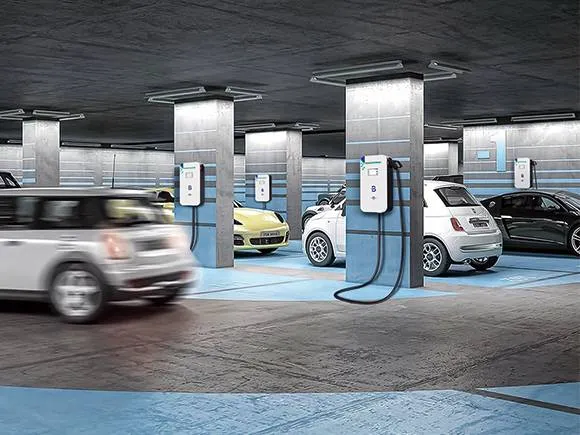
Introduction: The Depot Is Awake—Are Your Assumptions?
A well-run depot can still stumble before sunrise. EV fleet charging sounds straightforward until the first shift meets a half-full roster and a confused queue. Many teams compare plans with cost-per-kilowatt alone, or skim a glossy dashboard for comfort. Look, it’s simpler than you think—and more nuanced. If you manage EV charging for fleets, your real risk lives in how energy, time, and software fit together.

Here is the technical core: EV fleet charging is a coordination problem between energy limits, route windows, and charger behavior. Peak tariffs can cost two to three times off-peak rates. Idle time eats margins. Yet traditional setups ignore demand response, lack proper load balancing, or rely on fixed schedules that break at the first late return. Are you measuring charger utilization alongside route criticality? Do your power converters match real-world duty cycles? (Many don’t.) And how often do your OCPP events flag faults after drivers are already on shift—funny how that works, right? This is where many plans fail. Let’s unpack the deeper layer next.
What keeps breaking?
It’s not only hardware. It’s orchestration. When telemetry is shallow, you miss the timing of charge sessions, the ramp rates that matter, and the energy windows that change daily. Without those, you compare apples to oranges and call it a strategy.

New Rules of the Game: Principles That Separate Winners
The old playbook was simple: buy chargers, size the service, write a schedule. The new playbook is different. It blends software control, grid awareness, and flexible capacity—because your routes, weather, and tariffs move. In modern setups, edge computing nodes sit near chargers to make split-second calls. They juggle dynamic load management, charger derating, and driver ETAs. They also talk standards. ISO 15118 can speed up plug-and-charge handshakes; OCPP 2.0.1 improves diagnostics. Pair that with smart demand response and you turn volatility into savings. This is where fleet EV charging stops being a utility bill and becomes an operations lever.
Compare two depots. One runs fixed overnight schedules and hopes for the best. The other uses real-time telemetry, battery health trends, and route priority scoring. The second depot shifts loads away from peaks, preconditions during cheap hours, and buffers with on-site storage when needed. It even plans for vehicle-to-grid events when the economics line up. Same charger count. Different outcomes—because the logic is smarter. And yes, you can do this without a data scientist. The principle is clear: use local control for speed, cloud policy for scale, and clear fallbacks for faults.
What’s Next
Expect faster fault isolation, more granular energy tariffs, and tighter integration between dispatch systems and chargers. As APIs mature, your dispatch plan can request power in blocks, and chargers respond with feasible ramps. Short sentences. Fast loops. Fewer surprises.
How to Choose: Three Metrics That Keep You Honest
You saw the gaps, and the new rules. Now test any option with three simple yardsticks. First, operational availability: track charger uptime plus session success rate during your top two dispatch windows. Not weekly averages—your critical hours. Second, energy efficiency under constraint: measure cost per delivered mile when service capacity is capped, including demand response events and load balancing behavior. Third, orchestration depth: verify real-time decision loops (edge-to-cloud round trip), OCPP/ISO 15118 coverage, and how the system prioritizes routes under stress. If a vendor cannot simulate a late vehicle plus a tariff spike, keep looking.
These metrics turn comparison into clarity. They expose hidden queue time, fragile schedules, and brittle controls. Choose the platform that improves timing, not only pricing. And keep the narrative human: drivers want predictability, dispatchers want slack, finance wants certainty. When those align, electrification sticks—and scales. For a deeper, vendor-agnostic view of tooling and standards, start with trusted industry sources and pilot fast. Then expand with what the data proves. EVB
