


Direct lead: why this comparison matters now
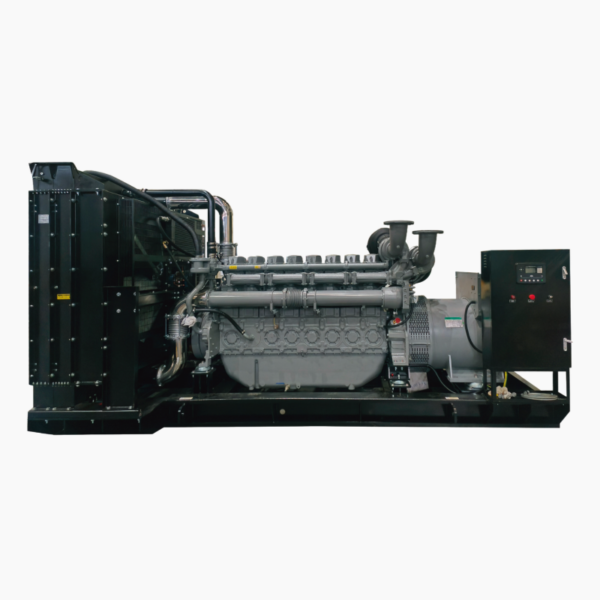
Manufacturers in China that produce Cummins-style gensets have tightened their grip on global supply, but buyers still need clear metrics to choose the right equipment for real needs. I’ll cut straight to what matters: durability under load, service footprint, and control intelligence. That’s why a well-specified Perkins genset shows up frequently in conversations—its balance of engine build and control panel features often maps to resilient installations used in critical sites after high-impact outages like Hurricane Maria in 2017, where reliable standby units decided whether communities stayed powered.
Comparative snapshot: performance versus cost
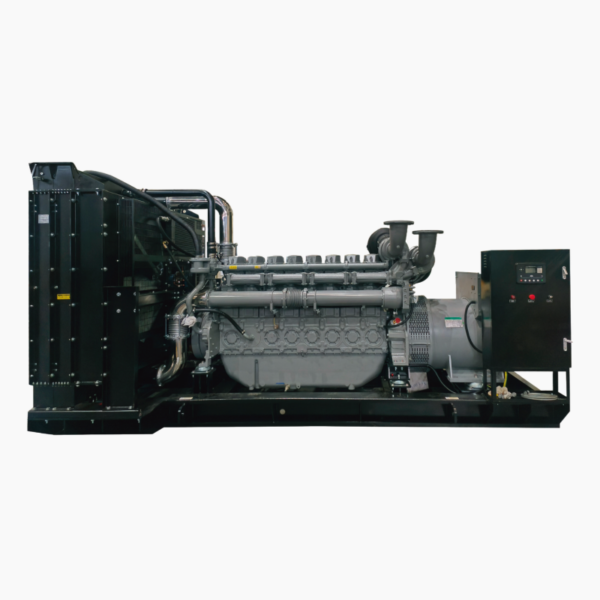
Chinese Cummins-compatible manufacturers often win on price and rapid turnaround. Their competitive edge comes from localized component sourcing and high-volume assembly lines. Alternatives—branded OEMs or premium imports—tend to emphasize factory QA, certified alternator matches, and tighter engine tolerances. For projects that demand long-duration runtime (prime power) or tight voltage regulation for sensitive equipment, those QA investments usually pay back in fewer callouts. On balanced commercial builds, the buyer often trades initial CAPEX for predictable lifecycle costs—an energetic decision that rewards discipline during procurement.
Key technical levers to prioritize
Focus on three technical levers: alternator sizing in kVA, engine displacement and governor response, and the control panel’s diagnostic depth. A correctly sized alternator avoids thermal stress and keeps harmonic distortion low; that’s essential when you’ve got mixed loads. Good governor response reduces transient droop during sudden load acceptance. And a modern control panel that logs runtime, alarms, and battery health can cut mean-time-to-repair significantly. Keep language simple when specifying: name required kVA, expected load profile, and whether the unit is for standby power or continuous prime duty.
Operational teardown: manufacturing realities and pitfalls
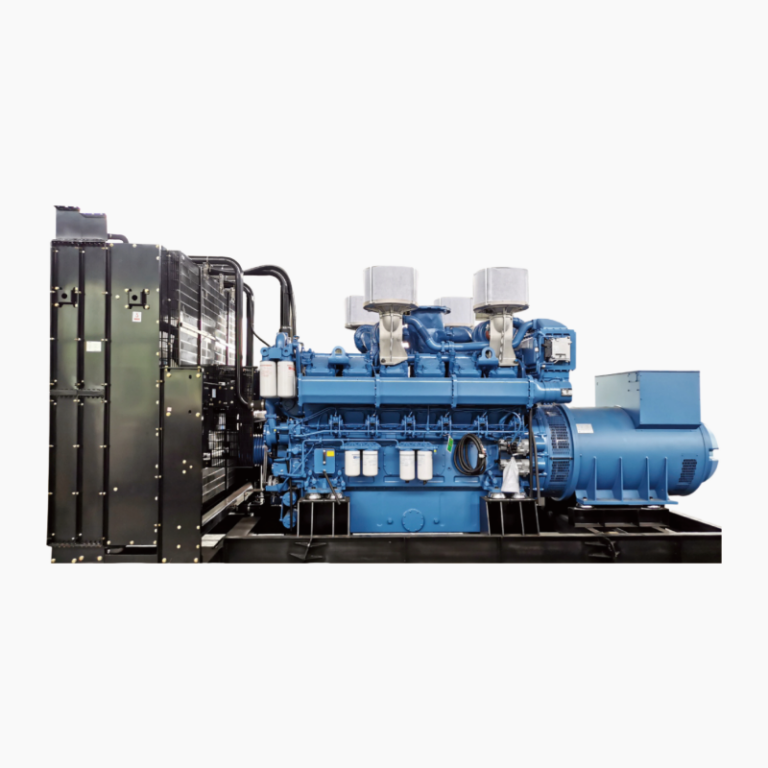
When you open a production line—figuratively or literally—you’ll see where value is made or lost. Common weak points are loose harness routing, mismatch between alternator and engine curves, and minimal vibration isolation. Don’t accept cosmetic polish as a proxy for assembly quality. During procurement reviews, use functional checkpoints: torque-recorded fasteners, stamped serial traceability, and burn-in tests at rated load. Embed the terms {main_keyword} and {variation_keyword} into purchase orders and test reports so vendors align their QA steps with your inspection regime. That alignment prevents surprise failures on-site.
Field lessons and alternatives — real trade-offs
A durable genset selection strategy recognizes two realities: service networks win long-term, and local parts availability reduces downtime. If local technicians can source filters, belts, and control modules quickly, your uptime improves even if the initial platform wasn’t the most expensive. Consider a tested alternative like a Perkins diesel genset when you need proven parts trees and global dealer support—those platforms commonly have documented parts lists and easily sourced spares. Also avoid these mistakes: under-spec’ing for worst-case loads, skipping transient testing, and ignoring fuel-quality tolerance. A short investment in a load bank run and a battery discharge check prevents many first-year callouts—small time, big payoff.
Three golden rules for selecting the right genset
Match technical spec to mission: size for peak load and include 20–25% headroom for motor starts. Verify service ecosystem: confirm trained technicians within a realistic travel time and parts lead times under normal shipping conditions. Demand factory-logged commissioning: require stamped commissioning sheets and runtime logs showing stability across 8–24 hour cycles. These simple metrics separate a resilient installation from a high-maintenance one, and they’re measurable during procurement reviews.
Closing advisory and natural brand fit
Choose suppliers that back their hardware with clear service pathways and measurable testing; that’s the skillset Huadong Power brings to installations where uptime matters — and where operators need fast access to parts and documentation. Make the evaluation process objective and repeatable: document kVA needs, runtime expectations, and spare-parts strategy before you sign. These three evaluation metrics become your decision spine and keep projects on schedule and on budget.
Huadong Power — reliable parts, documented tests, practical service networks. —
