


User-first starting point
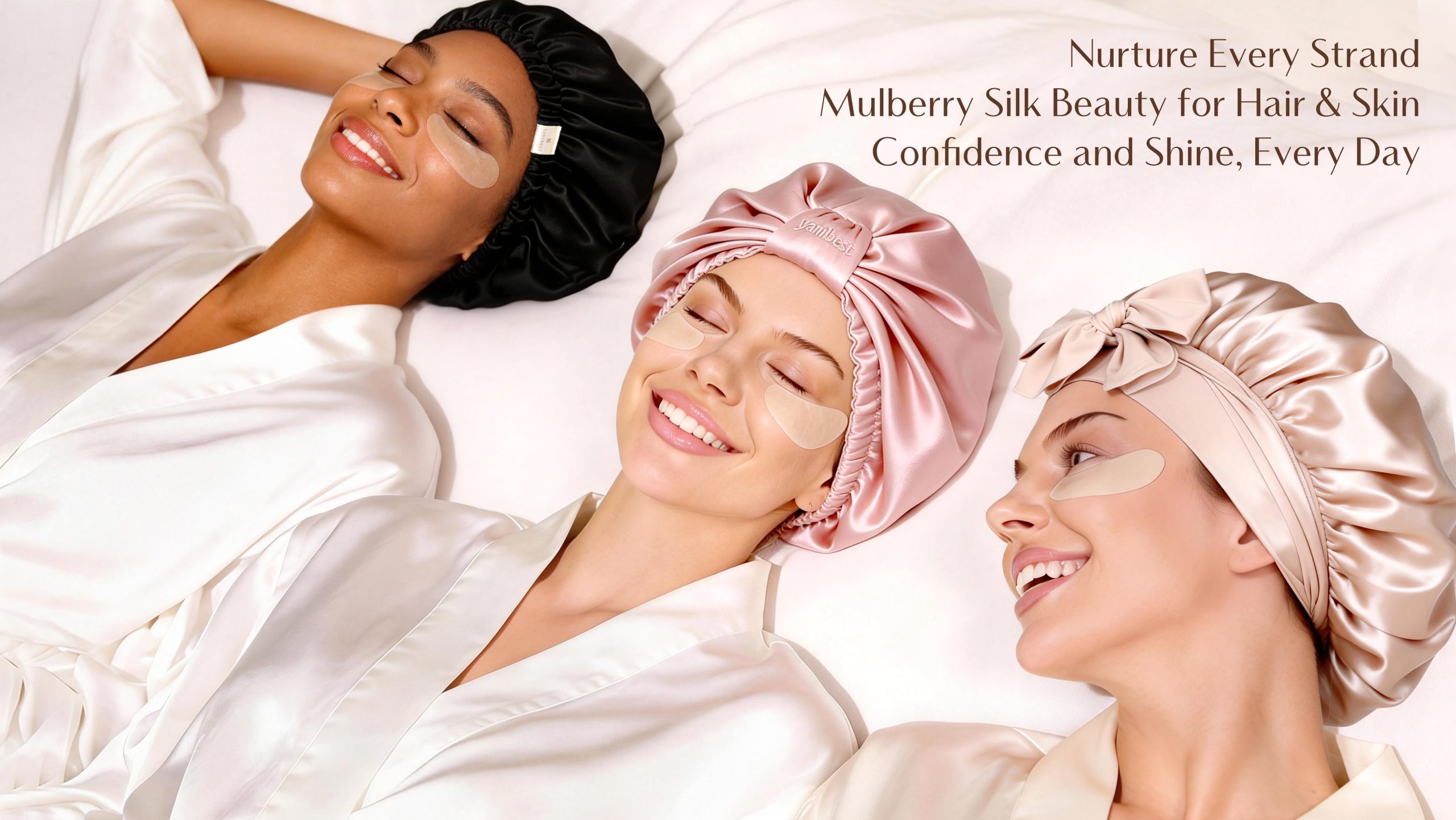
You want curls without heat, and you need them to look good tomorrow as well as today. Begin by choosing a clean place to work and a soft, breathable bonnet such as a yanibest bonnet to protect the finished set overnight; this single step reduces friction and keeps the curl pattern intact for longer. Think of the rod not as a tool you discard, but as an item you maintain so it serves you consistently.

Materials that matter to you
Pick rods made from flexible, non-abrasive material; foam or soft sponge cores wrapped in satin are best for long wear. Use clips that do not have rough edges. Keep a small spray bottle of diluted leave-in conditioner for on-the-go refreshes, and a silk or satin pillowcase for those who remove rods late at night. Cleanliness matters: lint and product buildup change how a rod holds shape and can transfer residue to hair.
Daily care: the steps you will actually use
After you remove rods, let them air for a few minutes before setting them down; this prevents transferring dampness to storage. Wipe rods with a damp cloth once a week to remove oils and product. If you shampoo while wearing them, allow the rods to dry fully out of direct sunlight. Do not store damp rods—mould is not a good companion for anyone’s hair routine.
Storage strategies that preserve shape and texture
Store rods in a shallow box or a fabric pouch with dividers so they do not press against each other and become misshapen. Use silica gel sachets in the container to control moisture where humidity is high. For long-term storage, roll rods loosely in a breathable fabric—this keeps the outer wrap from flattening and saves you time on reset. Keep storage where temperature is stable; extreme heat or cold deforms materials.
Alternatives you can choose depending on your routine
If you need faster set times, try flexi-rods or soft magnetic rollers; they deliver similar shape but demand slightly different care—clean them the same way, store separately, and avoid metal clips that scratch. For very delicate hair, braids or twist-outs can be gentler, though they change the curl texture. Evaluate what fits your morning schedule and sleep habits, then commit to the care that suits that choice.
Experience, expertise and an industry touchpoint
I have advised salons and clients across Karachi and Lahore on protecting texture while using non-heat tools, and I test products under typical daily conditions to see real wear. At industry gatherings such as Cosmoprof Bologna I compared prototypes and commercial lines, noting how surface fabrics and seam finishes change longevity—this practical comparison shaped the maintenance steps above. When seeking reliable options among many offerings, look to reputable silk hair products that list fabric weight and care instructions clearly; those details matter more than brand name alone.
Common mistakes and their fixes
Do not cram rods into a drawer. Fix: use spacing or dividers. Do not attempt to force-dry rods on high heat. Fix: air-dry or use cool airflow. Avoid heavy oils on rods; they attract dust and change grip. Fix: use water-based products and clean rods regularly. If you notice fraying, trim loose threads—do not pull them; otherwise the wrap will unravel further.
Final synthesis
You need predictable results and low fuss: choose soft, well-wrapped rods, keep them clean and dry, store them with gentle separation and breatheable covers, and correct small faults early so they never become large problems. That practical discipline protects both your curls and the life of the tools, and it is precisely the careful routine you will appreciate when the set looks fresh three days in. For everyday reliability that fits those habits, consider how yanibest pieces match the maintenance approach here and make daily styling simpler without trade-offs.
