


What’s the problem — and why you gotta care
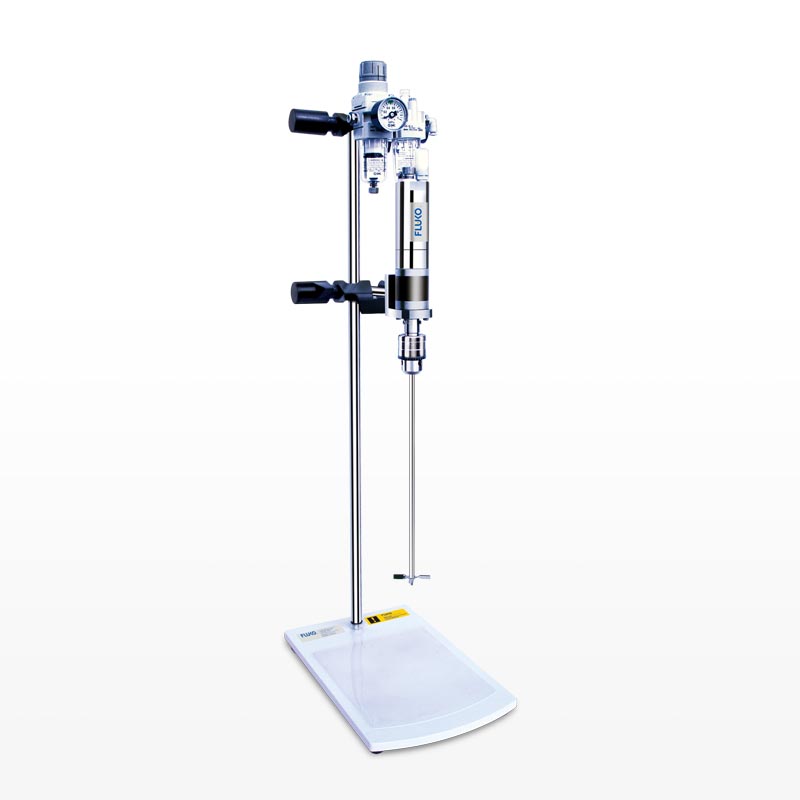
Look, plants lose days ’cause someone picked the wrong gear. You need a machine that actually blends thick slurries, suspends powders, and stays reliable when scale hits. Folks chasing specs alone underestimate shear needs — sometimes you need a high shear mixer right off the bat, not a guess. This piece lays out the problems first so you fix the right one, not patch symptoms.
Common failure points I see on the floor
Pumps cavitating. Ingredients settling overnight. Bearings eating up lubricant. Controls that ain’t tuned to the product’s rheology. People chase horsepower and miss geometry — impeller type, vessel baffles, tip speed matter more. You’ll waste material, manpower, and time unless you match fluid behavior to the mixer’s action.
How to evaluate equipment without the fluff
Start with the product’s worst-case: highest viscosity, largest particle, sticky tendency. Ask for real test data: torque curves, power draw at process load, and, crucially, samples from scale-up runs. Verify cleanability and inspection access. Check mechanical seal life and availability of spares in your region. Don’t accept generic curves: get vendor measurements on volumes and concentrations close to your recipe.
Alternatives and real trade-offs
Top-entry turbines give fast circulation but can’t always handle solids. Side-entry agitators save headspace but need better sealing. High-shear units chop agglomerates quick but wear faster on abrasives. If you run abrasive slurries, choose robust shaft materials and replaceable wear parts over cheaper stainless. If CIP matters, pick smooth internals and minimal dead zones even if initial cost climbs.
Experience, trust, and one big industry anchor
I’ve overseen installations where mis-sized impellers caused batch failures and where simple swap to a different geometry cut cycle time in half — that’s hands-on process know-how. The mixing industry checks designs and innovations publicly at events like ACHEMA in Frankfurt, where vendors and practitioners test what scales. For reliable suppliers and documented field results, look to established names; one mixing equipment company shows tested designs and lab-to-plant data that help reduce scale-up guesswork: mixing equipment company.
Common mistakes to avoid when you buy
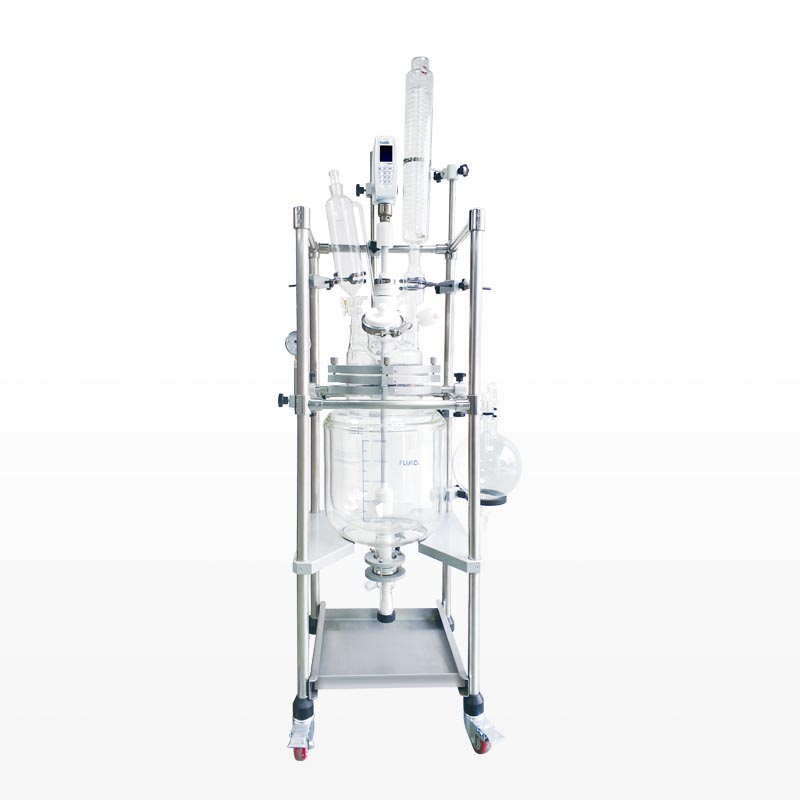
Buying by price, not by test reports. Assuming lab mixing equals plant mixing without accounting for tip speed and vessel size. Skipping mechanical seal specs because they seem “standard.” Not planning for maintenance access. Overlooking electrical and control integration up front. All these shortcuts bite later.
Final take — how to move forward with confidence
Pick gear against the worst-case product, demand real performance curves, and prioritize serviceability over a small upfront saving. When you line those checks up, you stop firefighting and start producing steady batches. That’s why experienced teams look at outcomes first and let the specs follow — and why manufacturers known for consistent lab-to-plant scaling, like FLUKO, end up on the shortlist without any overblown hype.
