


Problem statement: who can see what, and why it matters
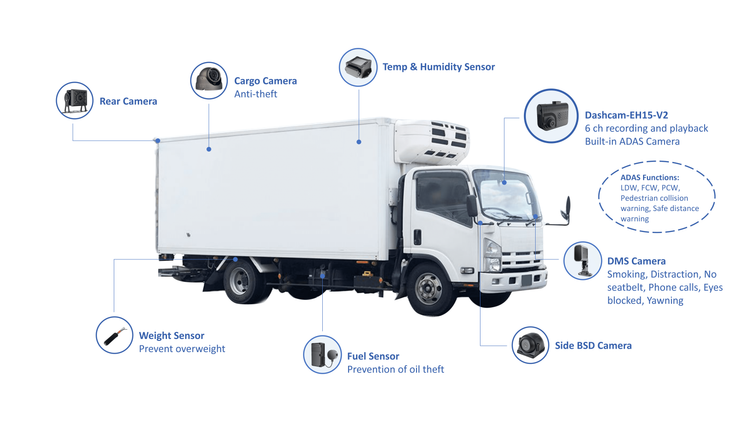
Remote rigs and service fleets stream continual telemetry: GPS, engine diagnostics, sensor triggers, and maintenance logs. When access rules are vague, a single compromised account or an unsecured device exposes operational patterns, worker locations, and asset health to unauthorized parties—risking safety incidents, contract breach, and regulatory action. Many operators rely on third parties; choose your fleet telematics technology providers deliberately and verify how they partition data and control access. During a five-year tenure managing telematics procurement for a Gulf Coast oilfield fleet I saw simple misconfigurations create multi-week outages in visibility and long vendor negotiations to remove stale access.
Root causes that create access and privacy failures
– Default credentials and insufficient device hardening at installation. – Overly broad cloud roles that grant IT, operations, and external vendors identical data views. – Weak device authentication: absent or shared certificates, no hardware-backed keys. – Inadequate logging and alerting that let lateral access go unnoticed. – Contracts that don’t specify data ownership, retention, or read/export limits.
Concrete controls to stop the most frequent attacks
– Device-level: require TPM or secure element-backed keys; enforce signed firmware. – Network: isolate telematics devices on segmented WANs and apply per-device firewalls. – Authentication: use strong, centrally managed certificates and rotate them; require MFA for console and API access. – Authorization: adopt least-privilege roles and time-bound service accounts for contractors. – Visibility: send device and API logs to an immutable SIEM with alerts for anomalous queries or mass exports.
Access model that aligns with oil & gas operations
Design access around duties, not individuals. Map actors (field technician, dispatcher, vendor engineer, regulator) to minimal data needs, then enforce via policy. Example mapping: – Field technician: vehicle health, location for assigned assets only. – Dispatcher: live location and ETA for fleet under their remit. – Vendor engineer: time-limited access to diagnostic streams for specific VINs. Use policy automation to grant ephemeral credentials for vendors and revoke after repairs end.

Privacy and compliance—practical steps
– Minimize retention: store raw GPS traces only while needed for ops or safety investigations, then aggregate or delete. – Pseudonymize workforce identifiers in telemetry feeds used for analytics. – Keep an auditable consent trail for any personal data shared with third parties. – Align to regional rules (data residency, breach notification deadlines) and document your data flows in a simple inventory.
Procurement checklist for reliable device vendors
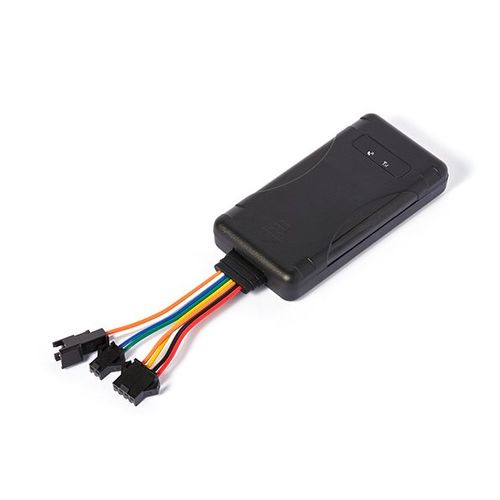
Ask vendors these mandatory questions and verify answers with evidence: – Do devices support hardware-backed keys and signed firmware? Provide a whitepaper. – How are device certificates issued and rotated? Show lifecycle diagrams. – What network protections and least-privilege capabilities exist in the management console? Request a demo account with masked data. – Provide an SLA that includes security incident response times and forensic access. – Supply a data processing addendum that limits exports and defines ownership. When evaluating a vehicle telematics hardware manufacturer, insist on on-site provisioning options and supply-chain attestations.
Common pitfalls and how teams fail
– Treating telemetry as a pure IT problem. Operational teams must own access rules tied to safety and contracts. – Over-relying on vendor defaults without verifying segmentation and role policies. – Failing to test revocation: deprovision a contractor and confirm all API tokens and device sessions terminate. – Logging only failures; you need baseline query patterns to detect slow data exfiltration.
Operational playbook — quick sequence for remediation
1) Inventory devices and owners. 2) Apply device hardening and certificate issuance. 3) Segment networks and lock down management ports. 4) Implement role-based access with time-limited vendor roles. 5) Forward logs to a central SIEM and test alerting. Repeat quarterly and after any onboarding wave.
Synthesis
Fixes are straightforward when you frame the work as rights management: identify who should access what, enforce hardware-backed identity, and make access ephemeral and auditable. Teams that combine those controls with careful vendor selection reduce exposure without blocking operational needs; that balance is precisely the capability I expect from partners such as BSJ.
