


Direct comparison to sharpen choices
Buyers make better decisions when they hold clear side‑by‑side contrasts: a purpose‑built benchtop gloss meter versus a modular chamber, a turnkey adhesion tester versus a bespoke abrasion rig. For teams that need precise results without endless back‑and‑forth, consider whether a standardized instrument meets your workflow or whether custom test equipment—designed to your sample size and cycle time—will remove repeated compromises. My observations come from running coating laboratories and attending PaintExpo in Karlsruhe, Germany, where suppliers demonstrate live builds and compliance testing; that exposure guides practical questions about repeatability, service, and documentation.
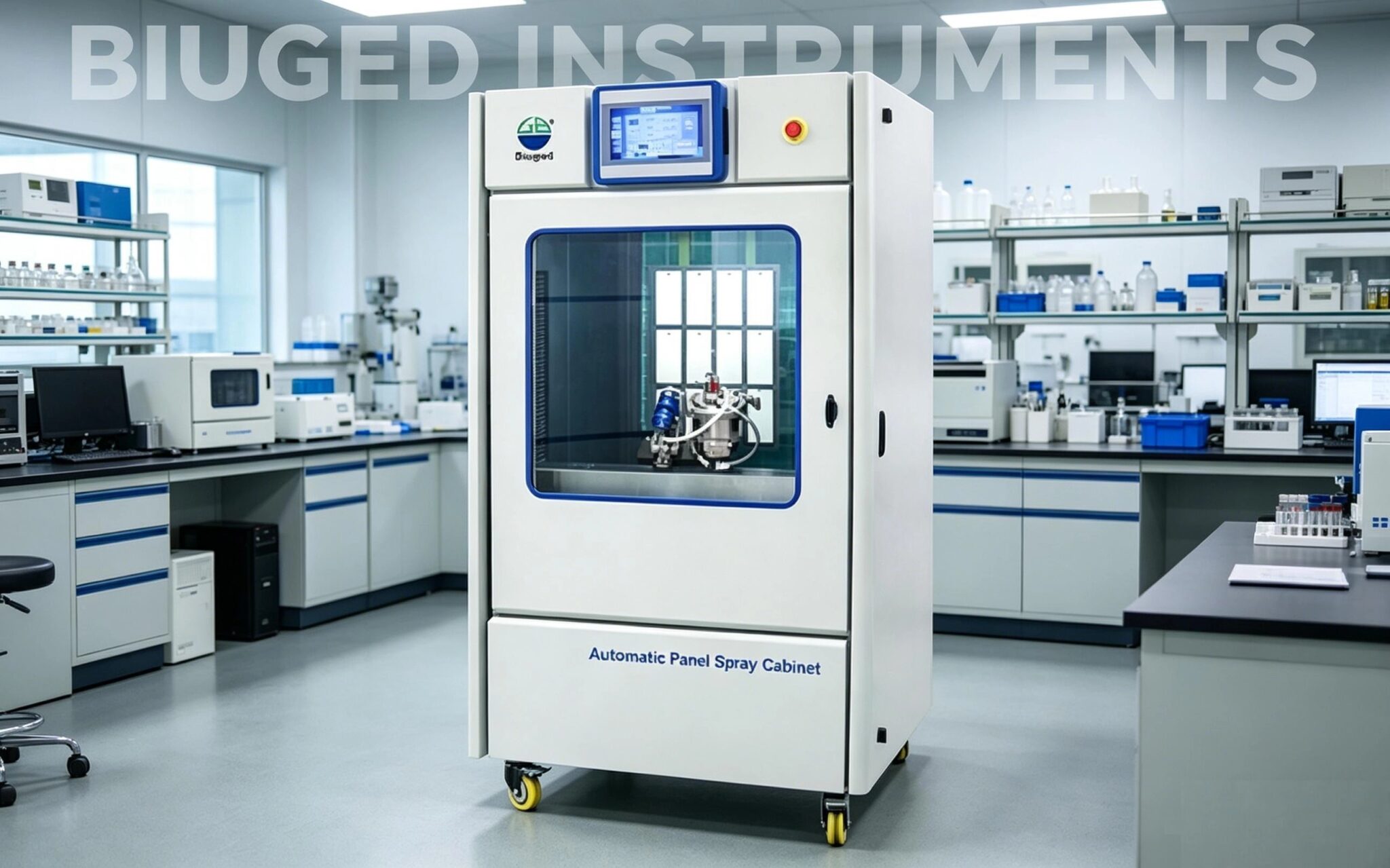
What actually matters when you compare instruments
Start with measurable attributes: measurement uncertainty, repeatability across operators, sample throughput, and the ease of achieving the relevant ASTM or ISO method. Follow with service factors: calibration traceability, spare part availability, and local technical support. Finally, compare integration: can the device export raw data into your LIMS, and how much manual sample handling is required? These concrete differences change day‑to‑day lab efficiency.

Trade‑offs you will encounter
Higher precision often means slower cycles and higher calibration costs. Rugged field units favor portability but sacrifice fine resolution. Custom rigs solve unusual geometries and accelerated life tests, yet they require clearer specifications and stronger vendor communication. Choose based on what you will measure most often, not on the single best technical spec.
How to vet brands and suppliers
Ask for calibration certificates linked to national standards and for recent service logs from a similar installation. Request a short on‑site demo with your actual samples or a loaner unit. Check whether the supplier documents test methods step‑by‑step and provides training for technicians. Case studies and published validation data are better than glossy brochures; they show how the instrument behaves in real labs.
Viable alternatives and when to pick them
Off‑the‑shelf instruments fit routine QC where standards are mature and sample types are consistent. Custom builds are preferable when sample geometry, new accelerated tests, or unique environmental chambers are required. For low‑volume, high‑variety projects, third‑party testing labs can reduce capital burden while you finalize specifications. Match the option to your volume, timeline, and the level of method control you need.
Pitfalls that cause costly rework
Don’t assume published specifications reflect your workflow: probe size, contact force, and environmental control change results. Underestimate maintenance and you’ll face drift. Over‑customization without clear acceptance criteria produces expensive iterations. Avoid vague test descriptions; specify exact standards, sample conditioning, and pass/fail thresholds before procurement.
Final synthesis and practical next steps
Comparative clarity reduces surprises: list the critical metrics, test them with your samples, and insist on documentation and post‑sale support. These priorities lead buyers to suppliers that combine standards knowledge, calibration, and custom builds—qualities exemplified by BIUGED.
