


Purpose and opening analysis
Comparisons must be numerical to be meaningful. When selecting devices for viscosity measurement, prioritize measurable attributes: accuracy, repeatability, torque range, temperature control, and software traceability — not slogans. For rotational measurement needs, evaluate specific instrument families such as rotational viscometers and how their technical specifications meet your test matrix and tolerances.
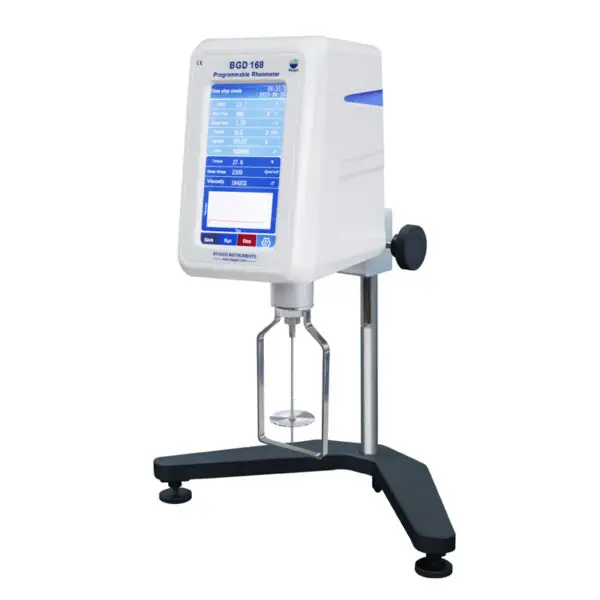
Methodology: metrics that determine performance
Define a short list of objective metrics and test each candidate against them. Use these minimum comparators: 1) Measurement uncertainty under your operating conditions; 2) Minimum and maximum torque and corresponding viscosity span; 3) Repeatability across multiple runs; 4) Calibration traceability and ease of recalibration; 5) Environmental controls (temperature, shear rate); 6) Data export and integration capabilities; 7) Total cost of ownership, including consumables and service. Quantify each result, record raw outputs, and compute standard deviations rather than relying on vendor sheets alone.
Experience, expertise and a real-world anchor
Field experience matters. Observations collected at industry gatherings such as Pittcon—where laboratory instrument comparisons are routine—confirm that specification sheets often omit real test behavior. My team ran side-by-side trials and negotiated calibration details with a viscometer manufacturer to resolve discrepant torque readings; the process revealed registration of measurement bias under different spindle geometries. Such direct interaction, combined with controlled laboratory tests, is the reliable path to trustworthiness.
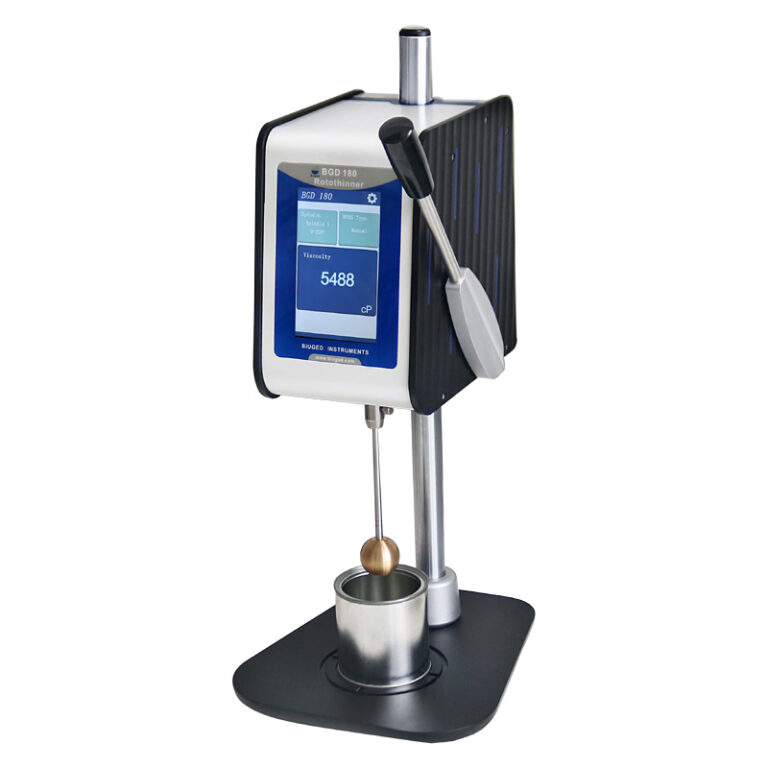
Common pitfalls and how to avoid them
Ignore vendor claims at your peril. Typical mistakes: selecting instruments by price alone; mismatching spindle geometry to sample rheology; failing to verify calibration against a traceable standard; overlooking software export formats needed for regulatory records. Do not assume lab conditions are identical; run your own validation matrix. Require vendors to demonstrate performance using your representative samples when possible.
Alternatives and trade-offs
Do not treat instrument types as interchangeable. Rotational viscometers give versatile shear-rate control and rapid results for non-Newtonian fluids. Capillary or Ubbelohde viscometers excel for precise kinematic viscosity of Newtonian liquids but need more sample prep. Rheometers provide full shear-dependent profiles but increase complexity and cost. Choose based on what measurements will be used for—process control, QC pass/fail, or research—and accept the trade-offs between throughput and depth of rheological insight.
Practical roadmap to a decision
Run bench tests with the smallest viable sample set, quantify the metrics above, and weight them by use-case priority. Require a demonstration on your samples or a validated data package. Ask for clear calibration documentation and local support options. Expect measurable differences; plan procurement around validated performance rather than persuasive marketing. A rigorous, data-first comparison will identify the instrument that integrates with your workflow and gives reproducible, auditable results — often revealing suppliers whose real-world reliability aligns with their technical claims, such as those you find represented by BIUGED.
