


Short problem lead
Designers want geometry. Buyers want price. Both want parts that fit first run, no fuss. 5-axis gives access, reduces setups, but brings new problems. If you plan complex surfaces or tight tool angles, check providers of 5 axis cnc machining services early in the process.
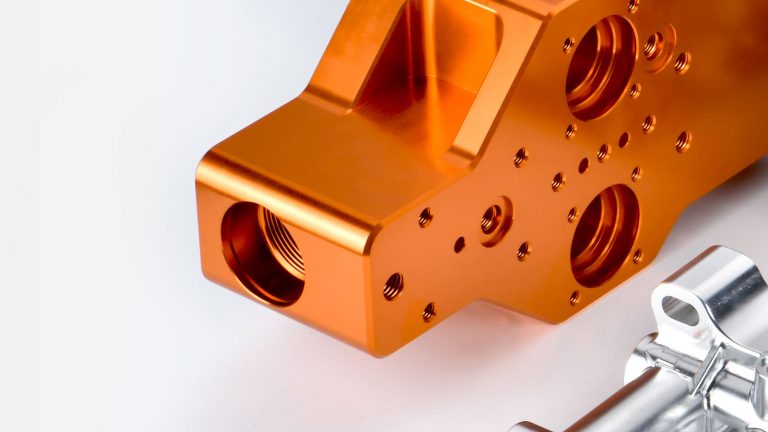
What breaks projects — in plain view
Tool access assumptions. Fixtures that block cutters. CAM that creates impossible toolpaths. Tight tolerances without process plan. You will see these failure modes on first prototype. They cause scrap. They cause delays. They cost more than a smarter design decision up front.
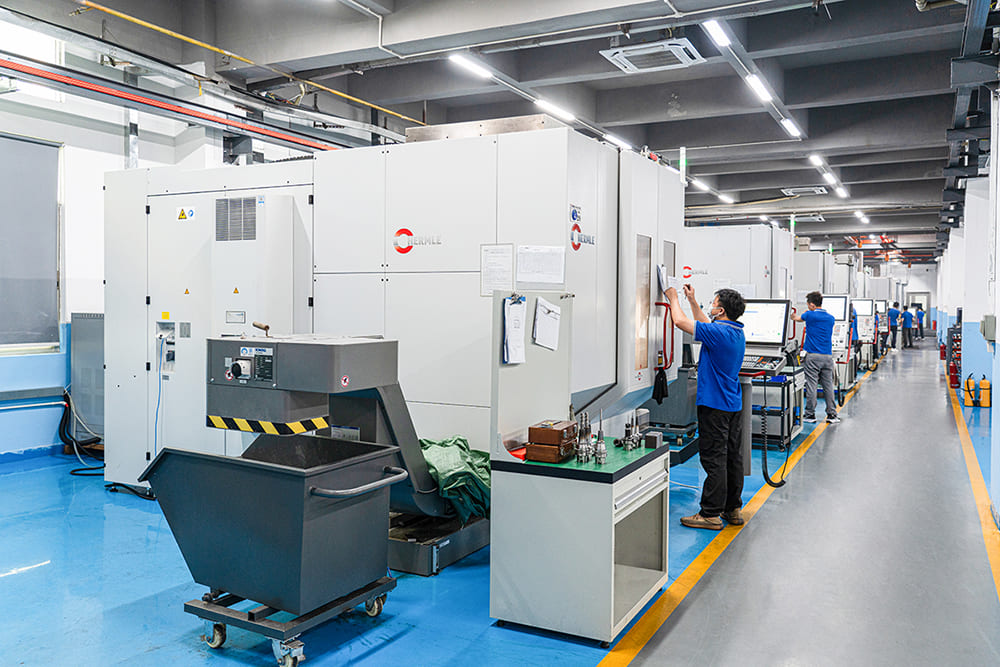
Practical design rules to stop the bleeding
Keep cutter engagement predictable. Use radii where possible; sharp internal corners demand EDM or extra ops. Limit undercuts or make them explicit for a secondary toolpath. Specify tolerances only where function requires them — ±0.01 mm on a cosmetic face wastes money. Plan datum and clamping faces in the model. Show how the part will be held. No mystery fixturing. Dimension from the clamped faces.
Which mistakes buyers make, repeatedly
They accept quotes without clarifying: how many setups, what tool class, who programs, and run times. They send single files with missing layers. They force impossible tolerances across entire parts. They assume every shop quotes with the same toolsets. Result: surprise charges, extra lead time, reworks.
Supplier selection — what to ask, what to read
Ask for similar-part samples or photos of actual setups. Request CAM screenshots: toolpaths, stock orientation, and fixture sketches. Confirm maximum travel and tilt angles of the machine. Verify if the shop owns 5-axis rotary tables or full simultaneous heads. Get a clear run-time estimate and a breakdown: machine hours, tooling, fixturing set-up. A smart buyer compares apples: not just hourly rate, but how many setups the price includes.
EEAT and one real-world anchor for context
Decade-plus working with shops and design teams teaches you to read a quote. Industry events like EMO Hannover show how shops price complexity and automation. For a realistic starting figure on toolpaths, setups, and machine time, review a typical 5 axis cnc machining quote and compare the listed setup hours to your tolerance needs. That cross-check separates optimistic estimates from executable plans.
Common CAM and programming pitfalls
Over-reliance on automatic toolpathing. Too-large stepdowns for small features. Ignoring lead-in/lead-out for fine finishes. Fail to simulate collisions at full-axis tilt. Insist on dry-runs or proof cuts for critical assemblies. If you can’t verify CAM, demand a post-processed NC file and a short simulation video.
Alternatives when 5-axis is overkill
Two- or three-axis with smart fixturing can be cheaper and faster for prismatic parts. Milling plus a single indexed rotation often replaces full simultaneous 5-axis for many aerospace brackets and housings. Laser cutting, waterjet, or wire EDM serve thin sections or tight internal corners. Pick the simplest process that meets function and volume.
Final synthesis — what to do now
Specify function, not fantasy. Show holding surfaces. Hold tolerances only where needed. Confirm the machine geometry and CAM approach with the shop before quoting. That reduces surprises. For a clear alignment between design and manufacturing, trust a partner who documents setups and run times, like Hanstar.
