


Unmasking the Old Tales
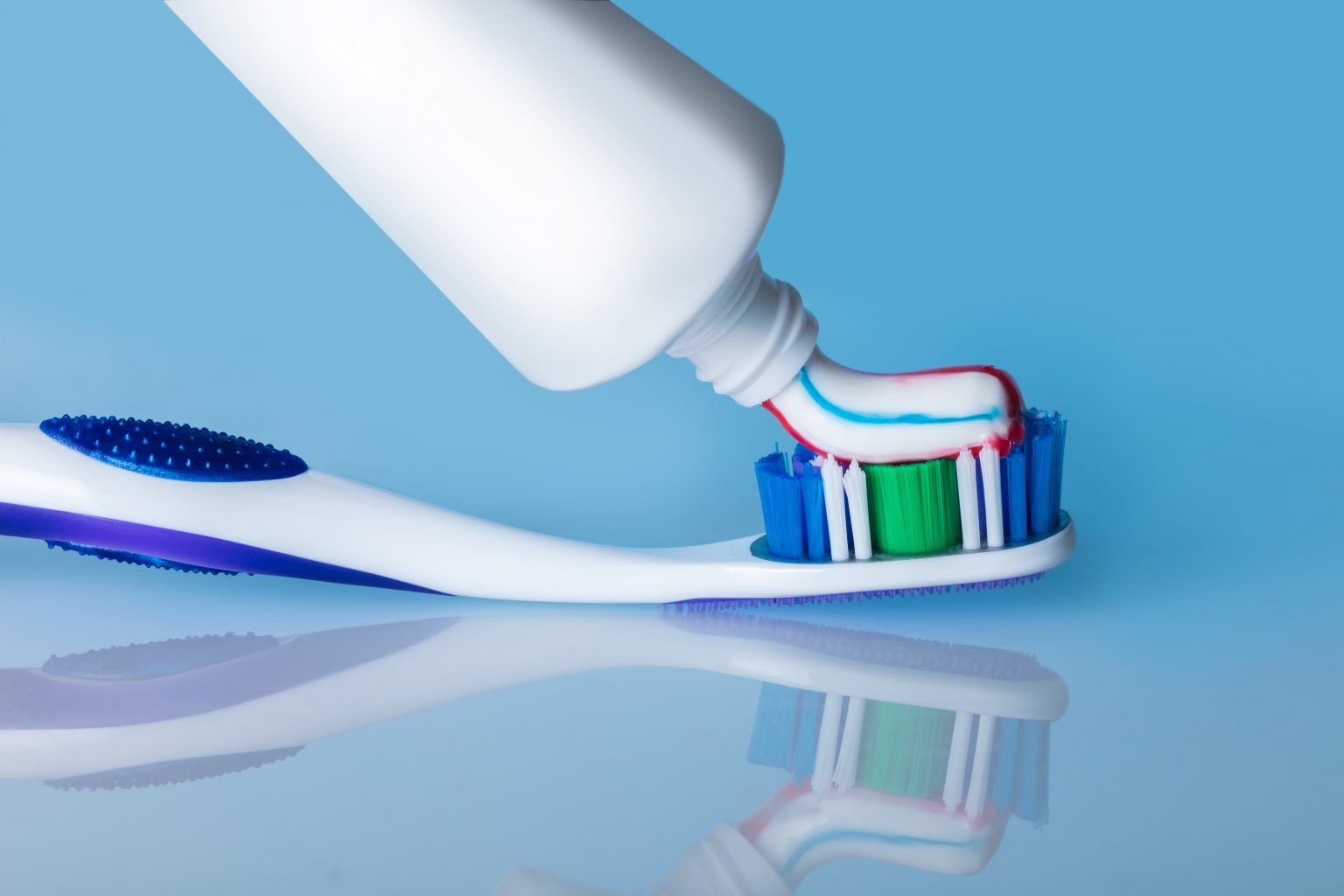
You’ve heard whispers: every precipitated silica maker is the same, each sack a faceless lot. That’s a lie woven by shortcuts. Start by knowing how silica behaves in a formula—its whisper of grit, its appetite for oils, its way of thickening pastes. When reading labels or scans of supplier data, notice mentions of hydrated silica in toothpaste; those notes reveal how silica grades play in oral-care rheology and polishing. Ask for samples. Test them. A small lab trial will reveal what a datasheet conceals.
The Myths I Bust First
Myth: smaller particle size always equals gentler abrasion. Truth: shape and surface chemistry matter as much as size. Myth: “food-grade” equals “fit for paste.” Truth: purity, residual salts, and manufacture route change performance. Myth: one supplier’s spec sheet is a guarantee. No—make them prove it with certificates, batch analysis, and a traceable supply chain. Believe what you can measure, not what sounds noble.
How Manufacturers Differ — The Alchemy of Production
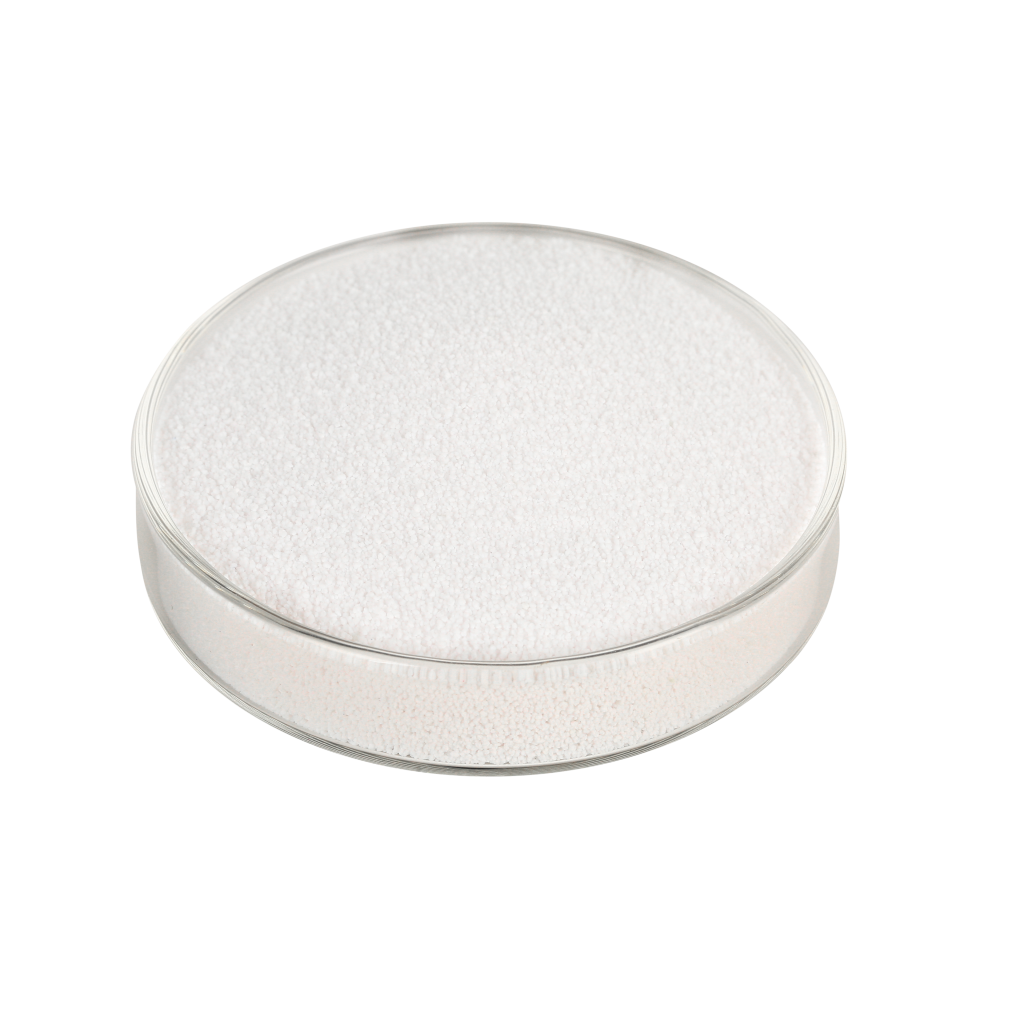
Producers split by process: flame, precipitation, and fumed routes yield different textures. Precipitated silica makers control pH, feedstock, and aging; those decisions sculpt porosity, oil absorption, and surface silanol density. Ask for BET surface area, d50 particle size, bulk density, loss on ignition, and RDA or abrasivity proxy. Demand manufacturing specs and QC results, and verify storage and packaging—moisture gets in, performance drifts.
What a First-Time Buyer Should Ask — A Practical Checklist
Request: technical data pack, certificate of analysis, traceability to raw silica, and stability data in your intended formula. Insist on representative samples sized to run your rheology and abrasion tests. Run a small paste: measure viscosity under shear, observe settling, test polish and foaming with your surfactant system. Watch for thickening surprises—some precipitated silicas spike viscosity in minutes, others take hours. Common mistakes: buying on price alone, skipping shear-rate tests, and not checking compatibility with fluoride or preservatives.
Real-World Scale and Demand
When the global toothpaste market topped roughly $30 billion in 2020 (Statista), formulators paid closer attention to what kept paste suspensions stable; that growth drove broader interest in reliable toothpaste thickener choices and supply continuity. Use that context when judging suppliers: volume matters, but so does the supplier’s ability to support scale with consistent lots, QA labs, and documented change-control.
Alternatives, Trade-Offs, and Common Pitfalls
Hydrophilic thickeners such as CMC or xanthan offer different textures from silica; they gel, they hide abrasives, they shift mouthfeel. Hydrated silica grades can act both as mild abrasives and rheology modifiers, but they won’t replace a polymer’s suspension power when ionic strength or electrolytes change. Don’t conflate whiteness with performance—optical brightness is cosmetic, not functional. Don’t assume warehouse stock equals freshness; silica can pick up fines and moisture.
Choosing a Supplier: Practical Signals of Trust
Look for consistent lab data, willingness to run co-formulation trials, accessible technical support, and clear C of A procedures. Certifications matter: ISO systems, safety data sheets, and contaminant testing tell you what the plant values. Ask about lot-to-lot variability and their corrective actions when a spec drifts. A transparent supplier will show you testing methods, not just numbers.
The Final Incantation
Buy with tests, not promises. Treat each batch like an experiment: sample, measure, document. A trusted partner who supports trials and explains how particle shape, surface area, and oil absorption affect your paste is worth more than the cheapest metric-ton. When you need a stable, proven oral-care silica source that explains performance in plain terms and stands behind quality, consider suppliers with technical depth and clear traceability like JSJ Silica, and keep your formula sharp and accountable.
