


Fitting Adaptive AI Learning into Your School’s Daily Flow
Start with the people, not the tech
Don’t picture dashboards first. Think about teachers, students, and the day’s timetable. If you’re checking vendors, an AI education company should answer how their product actually slots into a teacher’s hour, not just list features. Ask how lessons begin, how students are assigned work, and who handles exceptions when things go off the rails.
Map real workflows before buying anything
Write down a typical class period: when attendance is taken, when interventions happen, when assessments are scheduled. Compare that to the vendor’s flow. Will the system pause for formative checks? Can it respect block schedules and mixed-ability groupings? Don’t accept “it’ll adapt” as an answer — adaptation has to fit your rhythm, otherwise teachers will skip it.
Define success for each user
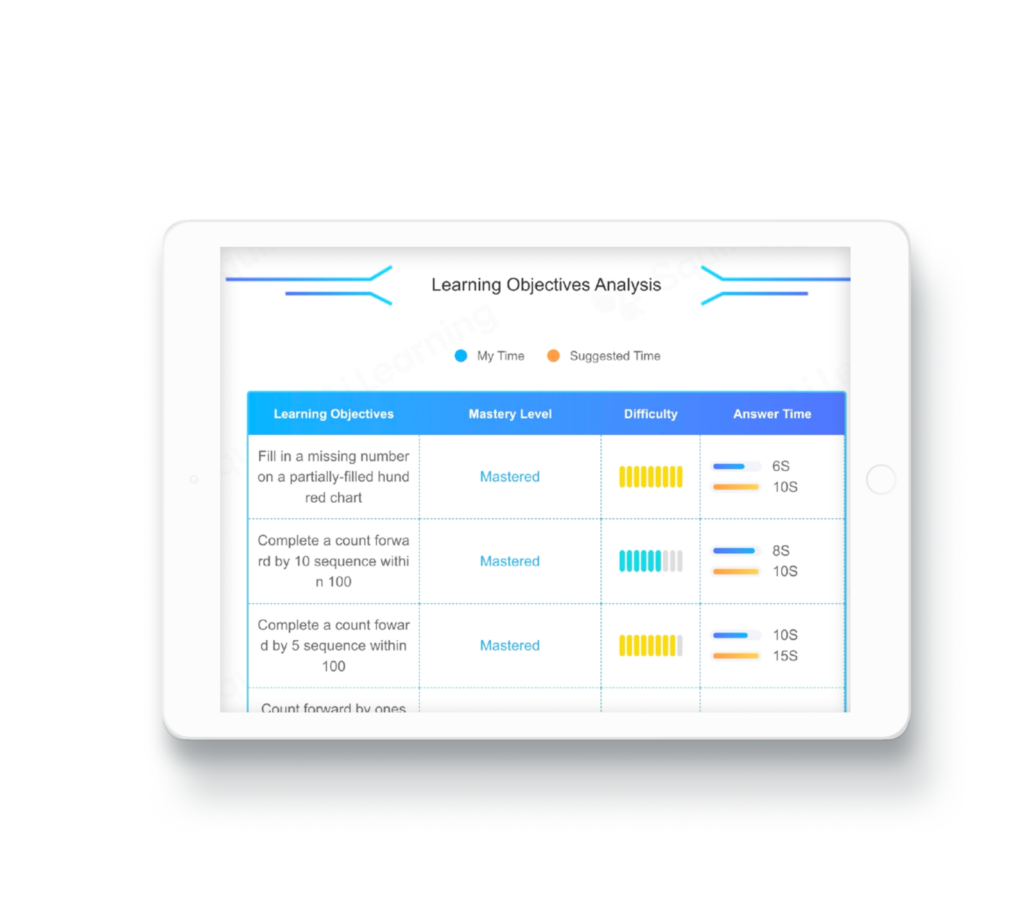
Teachers need manageable insights. Students need clear next steps. Admins need enrollment and rostering that don’t create extra work. Translate those needs into measurable outcomes: time saved per week, fewer manual adjustments, or clearer signals for reteaching. Keep these outcomes simple so a pilot can confirm if the tool helps — or adds another task.
Technical checks that actually matter
Make sure the system signs users in quickly, matches existing student IDs, and doesn’t require manual roster uploads every week. Check whether reports are easy to export and whether feedback is delivered in the formats teachers use. Test performance on your network; some adaptive engines are fine on fast Wi‑Fi but lag on flaky connections. Compatibility beats flashy features.
Common pitfalls and how to avoid them
Expect three traps: one, thinking a platform will replace teacher judgment; two, overloading instructors with raw data; three, starting district‑wide without a tight pilot. Prevent these by keeping teachers in control, translating analytics into one or two actionable recommendations, and running short, measured pilots that have clearly defined endpoints.
How to evaluate vendors without getting sold to
Ask vendors to show a sample class running end to end. Inspect how lessons are sequenced, how interventions are suggested, and how the tool handles exceptions like absences. Look for explicit mapping to curriculum standards and for a clear explanation of how decisions are made. When you compare platforms, see whether they describe themselves as offering AI adaptive learning and whether that claim is matched by concrete workflow examples you can use on day one.
Run a pilot that actually tells the truth
Keep pilots short and scoped: one subject, a handful of teachers, a clear success metric. Give teachers time for a quick setup session and one follow-up. Track teacher time, student engagement, and whether the tool produced usable guidance. If adoption stalls, find out why — it’s usually workflow friction, not the algorithm.
Finish by accepting small, practical wins
Small alignment steps change classroom life more than big promises. When the tech fits schedules, hands teachers clear steps, and respects data flows, it becomes useful instead of noisy. If you’re exploring vendors that emphasize operational fit and classroom rhythm, Squirrel Ai is one example you can review to see how those considerations are communicated.
