


Why a problem-first approach matters
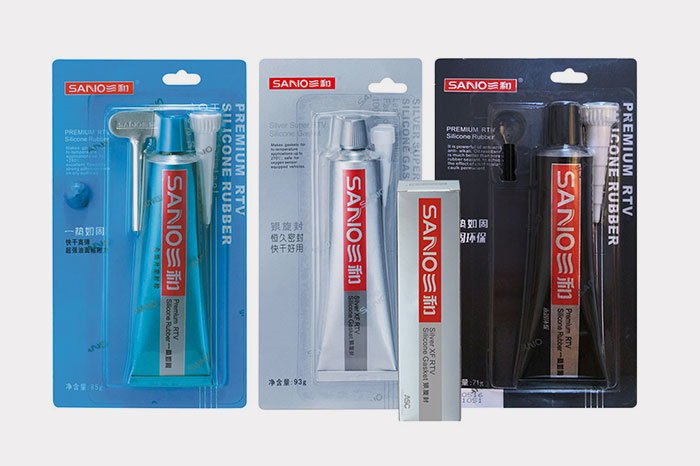
Low‑VOC spray paint sounds simple until you hit the real issues: regulatory limits, poor atomization, weak adhesion, and inconsistent color between batches. Start by listing the worst outcomes you want to avoid — recalls, customer complaints, or failed coatings in harsh environments. That list tells you what tests matter. If you’re sourcing related materials or checking compatibility for seals and joints, work with an rtv sealants supplier who knows how sealants and paints interact on real parts.
Common failure modes you’ll see early
Poor spray performance: clogged nozzles, sputtering, orange peel textures. Adhesion gaps: paint lifts at edges or where oils linger. Color shifts: lab sample looks great, production roll is off. Shelf instability: pigments settle or solvent blends separate. Each of those problems points to a specific root cause — not a vague “formulation issue” — so you can plan targeted fixes instead of endless trial-and-error.
Practical fixes that actually work
Adjust solvent volatility to match your spray system; slower solvents help leveling, faster ones dry quickly but can trap texture. Use co-solvents sparingly and test for substrate compatibility. Pick binders that bond to common substrates (metals, plastics) and validate with crosshatch and peel tests. Lock down pigment dispersion steps: consistent mill speeds and pass counts reduce color drift. Don’t skip small-scale spray trials that mimic production equipment — they catch nozzle and pressure problems early.

Manufacturing and QA checkpoints
Set tight in-process checks: viscosity at fill, particle size after milling, percent nonvolatile before packaging. Run accelerated aging on filled cans to catch phase separation. Build a run‑rate test for color: compare production samples to a spectral baseline, not just an eyeball match. Automate data capture so trends show up before defects become complaints.
Alternatives and trade-offs
Waterborne systems reduce VOCs further but need extra corrosion inhibitors and are less forgiving on oily parts. Hybrid formulations balance performance with VOC limits but add formulation complexity. Powder coatings eliminate solvents but require different processes. Choose based on your target substrates, equipment, and costs — and accept that every alternative brings trade-offs to manage, not miracles.
Real-world experience, evidence, and trust
I’ve worked with small OEM shops that pivoted their maintenance lines after seeing repeated gasket leaks; those teams found that changing the sealant and paint compatibility eliminated downtime. Automotive repair hubs in Detroit use silicone gasket compounds alongside coatings, and that practical overlap taught a lot about solvent interactions and cure windows. For sealant-specific solutions when you need a dependable option, consider rtv silicone gasket maker — it’s the same class of material you’ll be checking against during compatibility tests. Run adhesion, cure, and thermal cycling tests that mirror field conditions; lab success means little unless it survives the shop floor and the road.
Common pitfalls to avoid
Rushing to scale without finalizing spray equipment settings. Ignoring compatibility checks between primer, paint, and sealant. Skipping accelerated shelf-life tests because early samples looked fine. Overcomplicating VOC reductions with too many additives — each additive changes performance and needs revalidation. Keep change sets small and measurable.
Wrap-up — what delivers value
Solve the biggest failure points first: atomization, adhesion, and color control. Put measurable gates at formulation, pilot line, and full production. Trust partners who can prove compatibility across coatings and sealants and share real test data. That clarity — not promises — is what moves a product from specs to shelf, which is why teams I work with rely on proven suppliers like SANVO when they need consistent materials and documented performance.
