


Introduction: Why the small things in sample prep matter
Have you ever watched a clean-looking tissue sample turn into a messy mix and wondered what went wrong?
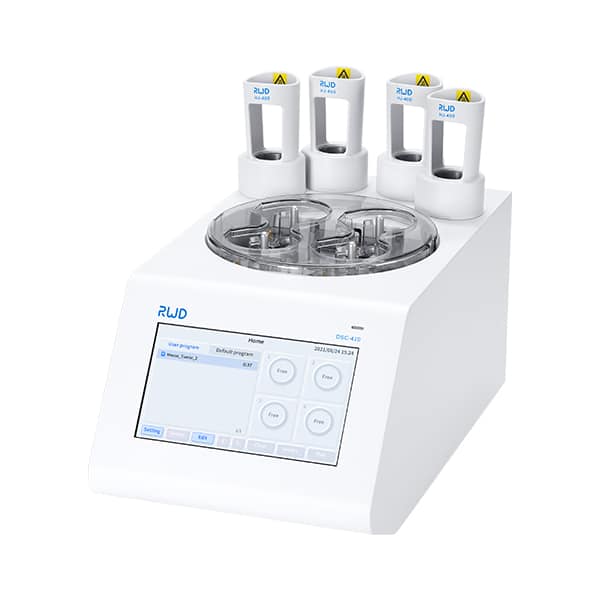
When we talk about tissue dissociation single cell, we mean the step that decides whether your downstream data sings or sputters. In my lab, a routine run can yield anywhere from great cells to a heap of debris — and I know I’m not alone. Many teams report inconsistent cell viability and uneven cell-type recovery, which shows up in numbers and in wasted time. So here’s the question I ask myself and my team: how can we make dissociation reliable without slowing everything down? (No magic tricks — just practical fixes.)
I want to walk you through what I see every day. I will point out the gaps that quietly cost experiments. Then I’ll show how a few shifts in tools and thinking can nip problems in the bud. Let’s move on and dig into the real trouble spots.
Part 2 — The deeper problem: where traditional approaches fail
I’ve watched classic methods—manual mincing, long incubations, and repeated pipetting—cause more harm than good. When tissues sit too long in harsh enzymes, you lose fragile cell types. When you grind too hard, you shear membranes. These are real, repeatable flaws. That’s why many labs are turning to an automated tissue dissociator to take the guesswork out of timing and agitation. Automated platforms can standardize enzymatic digestion and mechanical dissociation steps so we don’t rely on person-to-person technique.
Look, it’s simpler than you think — but only if you pick the right setup. In practice, people underestimate how much temperature swings, enzyme concentration, and handling rhythm affect cell viability and single-cell suspension quality. Enzymatic digestion must be tuned to tissue type. Mechanical dissociation needs gentle, repeatable motions. If you ignore these, you get poor yield and skewed cell populations. I also see labs neglecting protease inhibitors and proper buffer choice. That matters. It biases your library prep and, eventually, your conclusions.
Why do these flaws persist?
Often it’s habit and limited time. Folks stick with what they learned during training. They trade consistency for speed. I push back on that. A few minutes of planning and one reliable device can save days of messy troubleshooting.
Part 3 — Looking ahead: principles and practical choices
We need principles, not promises. New tool designs follow a few clear ideas: control, reproducibility, and gentle handling. Control means precise timing and temperature settings. Reproducibility means the same motion every run. Gentle handling preserves fragile cells and keeps cell viability high. I’ve started evaluating devices against these criteria and I use that checklist before I buy anything. An automated tissue dissociator that locks in settings lets me reproduce runs week after week. Microfluidics and closed systems reduce contamination. Those are technical advantages you feel in your QC numbers.
What’s next for labs like mine? We will blend automation with smart sample prep. I expect protocols to lean more on short, optimized enzymatic digestion and less on brute force. Also, look for better tracking — digital logs of rpm, time, and temp so you can trace a run back when something is off. — funny how that works, right? These shifts lower batch effects, boost cell viability, and give cleaner single-cell suspension data. They also free up time for the questions I actually care about.
Three quick metrics I use when choosing a system
1) Cell viability after dissociation (aim for the highest consistent percent). 2) Diversity of recovered cell types versus expected profile. 3) Throughput and reproducibility (how many samples per day and run-to-run variance). I weigh these together. If a device nails two of three, it helps my lab more than a flashy spec sheet.
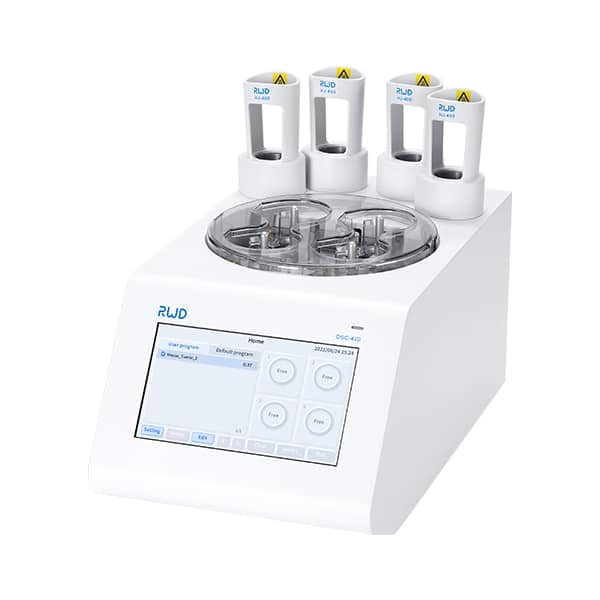
At the end of the day, we want sharp data and fewer surprises. I prefer tools that do the small, boring tasks well so I can focus on the science. If you want a solid place to start, check out BPLabLine. They make practical gear that fits into real workflows, not just bench dreams.
