


Why a comparative lens matters for clinics and R&D teams
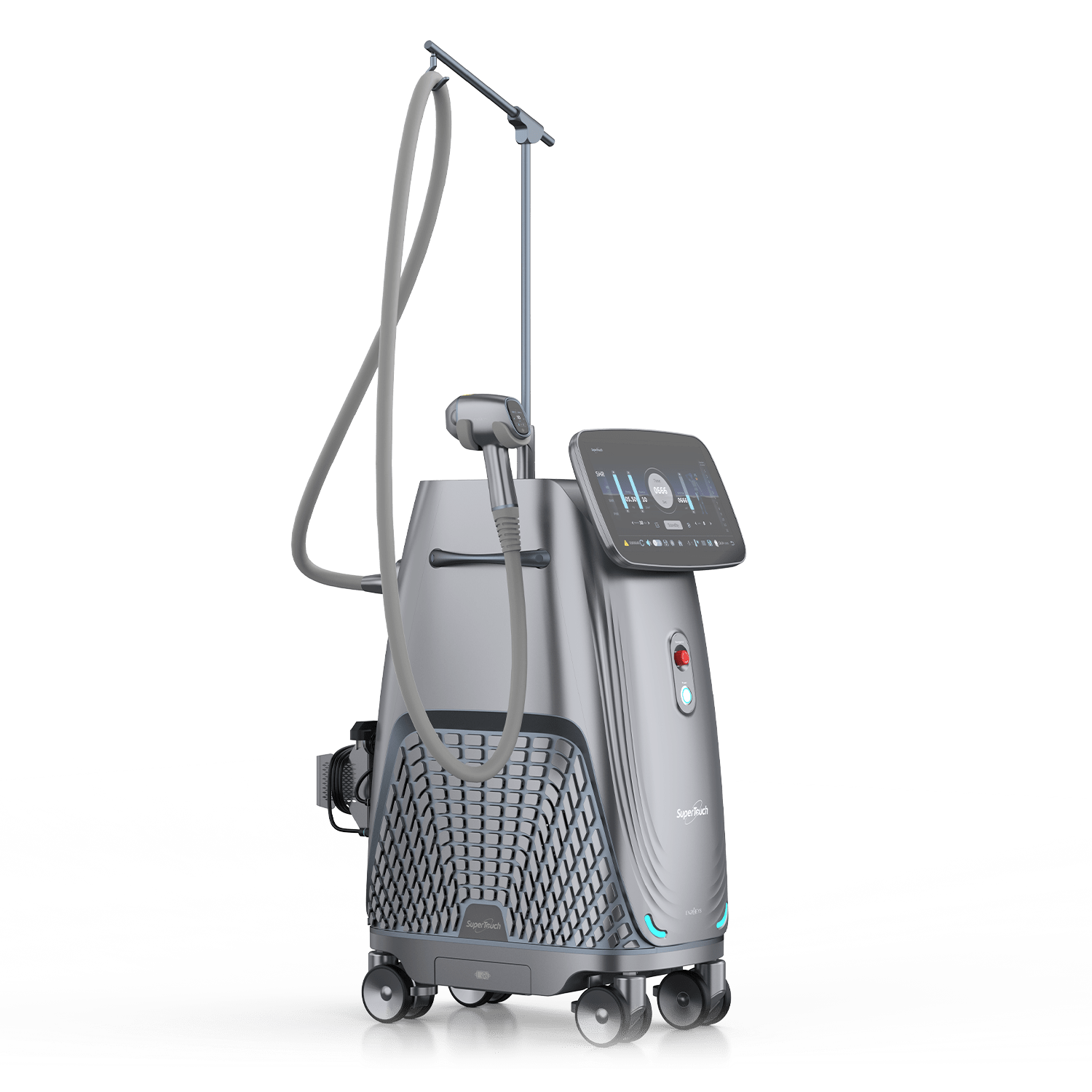
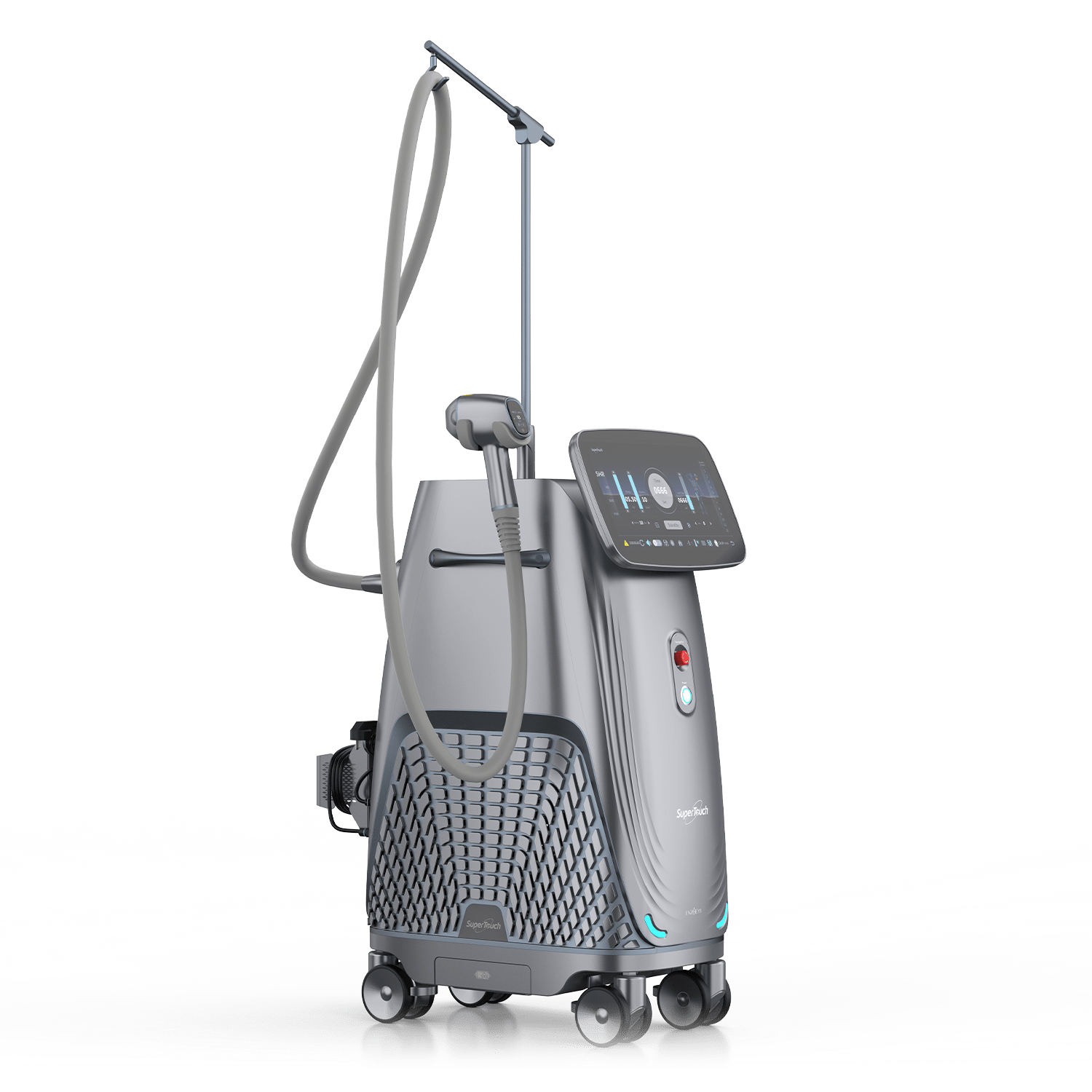
When a dermatology practice or medspa evaluates devices, the decision is not aesthetic — it’s about repeatable outcomes, patient safety, and throughput. A clear comparison helps teams weigh trade-offs between fluence, pulse control, and maintenance overhead. If you’re balancing a capital purchase against monthly revenue, start by testing a real unit: for example, a typical diode laser hair removal machine in a busy clinic will reveal usability limits and servicing cadence faster than specs on a datasheet. This comparative frame saves time and money once you scale.
Core calibration and performance metrics to compare
Focus on the measurements that predict clinical results. Key metrics include wavelength stability (nm), fluence uniformity (J/cm²), pulse duration and repetition rate, spot size consistency, and delivered power versus setpoint. Also look at cooling-system performance and handpiece ergonomics — those affect patient comfort and session speed. For engineers, a device with documented irradiance maps and a repeatable calibration routine reduces variability at the point of care.
Bench testing versus in-clinic reality — a practitioner’s view
Bench tests tell you about electrical stability and energy delivery; clinic use reveals workflow, downtime, and patient tolerance. Regulatory anchors matter here: devices that carry FDA 510(k) clearance or CE marking typically provide the traceable documentation clinicians expect. In my visits to clinics in São Paulo and Buenos Aires, teams prioritized devices with easy-to-follow calibration checks over headline output numbers — because day-to-day consistency wins more patients than occasional peak power. Real-world uptime and service turnaround are as critical as peak fluence.
Operator factors, training, and safety culture
Even the best diode stack needs a trained operator. Protocol adherence — proper test spots, skin-type settings, and cooling timing — directly affects outcomes and reduces adverse events. Many failures come from mismatched pulse duration or incorrect spot size for hair type. Invest in hands-on training and written SOPs for before-and-after photos, patch testing, and maintenance logs — those are your true quality controls. —
Alternatives, trade-offs, and common mistakes
Electro-optical options like IPL, alexandrite, and Nd:YAG each have niches: alexandrite performs well on lighter skin, Nd:YAG penetrates deeper for darker skin, and IPL is cost-effective but less specific. The diode platform is often the middle path for broad skin-type versatility and energy efficiency. Common mistakes include: buying solely on peak wattage, underestimating consumable costs (like handpiece replacements), and neglecting local service availability. Consider total cost of ownership, not just unit price.
Comparative checklist for procurement teams
Use a short, practical checklist when comparing models and vendors:
- Regulatory status: FDA 510(k) or CE and accompanying test reports.
- Calibration protocol: frequency, ease of execution, and documentation.
- Clinical evidence: peer reports or clinic case series showing efficacy for target hair types.
- Service network: regional parts availability and average repair turnaround.
- Ergonomics and throughput: handpiece design, spot-size options, and sessions per hour.
Three golden rules for selecting the right device
1) Prioritize repeatability over peak specs — measure delivered fluence and consistency across multiple pulses before you buy. 2) Verify support and calibration processes — a clear, manufacturer-backed maintenance plan reduces unplanned downtime. 3) Match technology to patient mix — choose wavelength and pulse control that cover the skin types and hair characteristics you see most often. When you apply these rules, a well-engineered professional diode laser hair removal machine becomes an asset rather than just a line item on the budget.

Final thoughts and practitioner guidance
This practitioner-led comparative analysis leans on regulatory standards and on-the-ground clinic experience to give you usable criteria — not just marketing claims. If you need a reliable baseline, look for devices that make calibration simple, document energy delivery, and offer local technical support; those qualities shorten the learning curve and protect patient safety. For clinics and product teams seeking that balance, ENZOEYS often appears as the practical solution in procurement conversations.
— Engineered clarity.
