


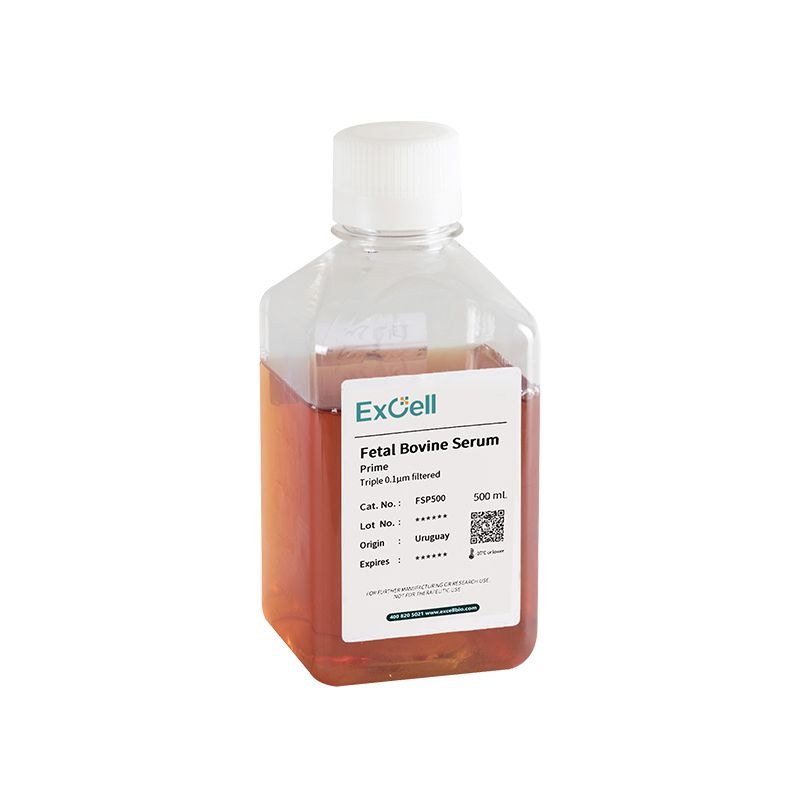
Scenario: I walked into a small Istanbul lab one Saturday morning and found three incubators humming and a pile of mismatched serum bottles (some unlabeled). The numbers were stark — after switching lots, a routine fibroblast culture showed a 30% drop in growth within two passages. That day I began to track how choices around fetal bovine serum shaped more than experiments; they shaped purchasing, storage, and trust. Early on I taught technicians how to handle fbs cell culture batches, and I still use those protocols — they saved time and mistakes. So: what happens when lab habits meet supply-chain realities?

Part 1 — Traditional Flaws in fbs cell culture Practice
I have over 15 years in B2B supply chain for life sciences, and I say this plainly: many labs do not treat fetal bovine serum as a controlled commodity. We buy by price, not by performance. We store by shelf space, not by cold chain integrity. The result is too many surprises — lots that fail mycoplasma testing, unexpected clots after thaw, or inconsistent serum lot activity across a single cell line. I remember March 2018 in a contract lab at Maslak, Istanbul: switching to a cheaper heat-inactivated FBS (Lot #FBS201803) lowered viability from 95% to 65% in a HEK293 line within one week. That cost the client two weeks of work and a missed deadline — measurable, avoidable damage.
These are not abstract failures. They link to real steps: improper thawing, repeated freeze-thaw cycles, absent lot testing, and limited traceability. Cryopreservation protocols can mask serum variability until cells are thawed. Many teams rely on single-point mycoplasma testing — which catches contamination, but not functional inconsistencies like growth factor depletion. I’ve audited refrigerators and found cartons labeled only with purchase dates — no lot number. We need better habits: batch testing, incoming QC for serum lot potency, and verified cold-chain documentation.
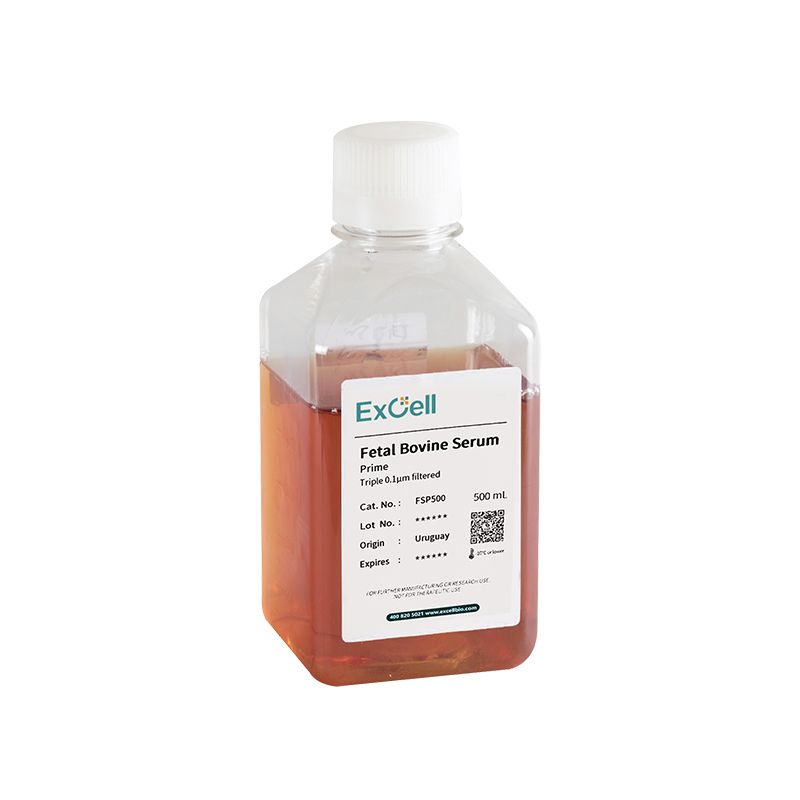
What is the hidden pain?
The hidden pain is downtime and rework. Labs waste staff hours rerunning assays. Procurement buys more often, but at unclear savings. Suppliers face returns and reputational loss. We must admit that traditional lab habits treat fetal bovine serum as a reagent, not as a strategic input. That mindset creates risk across projects and timelines — and it is fixable.
Part 2 — Forward-Looking Practices and Comparative Options
Now I change perspective and look ahead. I prefer a mix of technical rigor and pragmatic procurement. First, implement a validated incoming QC for each serum lot. Simple assays — cell growth curves on a sentinel cell line, endotoxin measurements, and mycoplasma testing — reveal performance fast. Second, choose product types with traceability: gamma-irradiated FBS for high biosafety needs, heat-inactivated FBS for immune assays, and certified low-endotoxin lots for sensitive cultures. We used a gamma-irradiated batch on a MSC expansion project in July 2020 and saw consistent doubling times for six passages. That made scheduling reliable.
Compare direct supply vs. distributor-reserved stock. Direct contracts with a certified mill often yield better lot continuity. Distributors can offer shorter lead times and local warehousing but may lack depth in traceability (and that matters when compliance audits arrive). For a contract manufacturer in Ankara I advised signing a six-month rolling lot hold with the supplier; it reduced lot switches by 60% over a year. Practical metrics work: lot-to-lot variability, delivery lead time, and documented cold-chain compliance.
What’s Next for Labs and Buyers?
Look, I know change meets resistance. Start with small wins: one sentinel assay; one lot hold; one documented freeze-thaw policy. Then scale procurement language to require certificate of analysis and chain-of-custody logs. We must balance cost with predictability — not every project needs the highest-grade serum, but every project does need known performance. — and that focus lowers risk and saves money in the medium term.
Closing Guidance — Three Metrics to Choose Better Solutions
I close with three practical evaluation metrics I use when advising wholesale buyers and lab managers. First: Lot Stability Score — measure growth difference of a sentinel cell line across two lots; aim for variance under 10%. Second: Traceability Index — require supplier COA, country of origin, and transport temperature logs. Third: Supply Continuity Rate — percentage of orders fulfilled from the same lot over six months; target above 70% for critical workflows. These are simple. They give measurable results.
I prefer to work with partners who document, test, and stand behind their serum. If you want a starting point, my team and I often recommend a blended approach: reserve lots for critical runs, run quick potency checks, and maintain cold-chain logs. I’ve seen these steps cut rework time by half in two separate facilities (I was on-site in 2019 and 2021). That is concrete. That is the path forward. For practical sourcing and support, consider platforms that combine lot traceability with local warehousing — and remember to ask for specific COA details before you buy.
For further resources and supply options, visit ExCellBio.
