


User-centered starting point
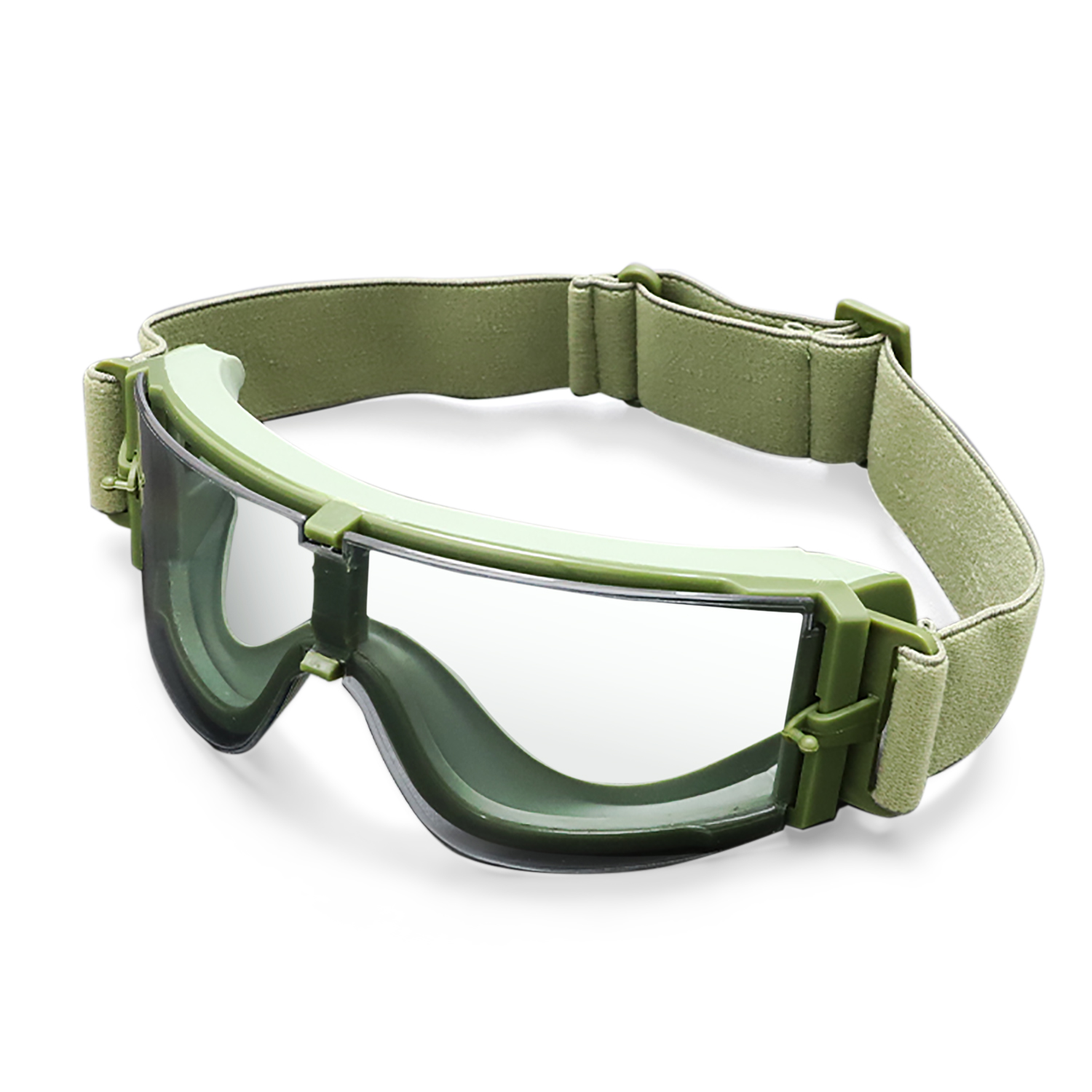
Buyers and product teams succeed when they prioritize the person on the slopes or the range. Start by mapping real-world tasks—fast transitions between bright and flat light, breathing in cold temps, or quick clearance after a shot—and match those to features. Early on, catalog how many end-users need OTG fit, how often lenses must resist fog, and whether the design must be ballistic-rated; this makes conversations with a supplier concrete. If you’re looking for rugged models, consider suppliers that already produce tactical goggles, because their workflows often handle tough coatings and tight tolerances. Also track sample feedback on everyday use of shooting eyewear where applicable—those insights translate directly to better rider and shooter experiences.
Key specs that shape real performance
Focus on a handful of technical attributes that directly affect the user: lens optics (curvature and tint), anti-fog coating longevity, frame ventilation, and impact resistance. Lens curvature controls peripheral clarity and distortion; tint and polarization manage contrast in harsh snow or dusty terrain. Anti-fog coating and proper venting are a pair—one without the other still fails in humid conditions. Ballistic-rated lenses and solid gasket sealing are essential when you expect debris or recoil stress. The PyeongChang 2018 Winter Olympics highlighted how tiny optical gains change outcomes for athletes—teams that tuned tint and anti-fog systems saw steadier performance in mixed conditions.
Manufacturing checklist: questions that separate vendors
When vetting factories, use a compact checklist to cut through sales talk. Ask for recent test reports (impact, UV transmission, and anti-fog durability), request production samples with serial traceability, verify molding tolerances for the frame, and confirm lens injection or CNC procedures. Verify supply chain transparency: who supplies the coatings, where are lenses laminated, what adhesives are used. Inspect the supplier’s quality control cadence—batch sampling rates, defect thresholds, and corrective action logs. Don’t skip a short-run prototype phase; it saves time and money later. —Insist on measurements rather than promises; numbers beat adjectives every time.
Design choices and common sourcing mistakes
The most common mistakes are picking the cheapest quote, ignoring end-user fit testing, and skipping environmental testing. Cost-driven decisions often sacrifice sealing, anti-scratch treatments, or consistent tinting. Overlooking fit means goggles that fog because the face seal gaps at certain cheekbones—small demographic differences matter. Consider whether you need OEM or ODM: OEM gives you control of specs, ODM speeds time-to-market with existing molds. Also weigh small-batch runs for iterative improvements against large runs that lock you into design flaws.
Alternatives and trade-offs
There are pragmatic trade-offs. Lighter polycarbonate lenses reduce weight but can scratch more easily without a robust anti-scratch layer. Triacetate lenses offer clearer optics but cost more. Full-seal frames maximize protection but add weight and heat; hybrid vent systems aim for balance. If ballistic-rated certification is a selling point, confirm MIL-STD or civilian-equivalent testing—this changes supplier selection radically. Use post-market feedback loops: field testing in the conditions your customers face, then route findings back into the spec sheet.
Advisory: three golden rules for selecting a manufacturer
1) Validate with measurable tests: demand impact, UV transmission, and fog-resistance reports tied to serial samples. 2) Prioritize user-fit iterations: fund a short prototyping cycle with 20–50 real users across face shapes and use cases. 3) Lock supply-chain visibility: know where coatings and lens substrates originate and require batch traceability. These rules make technical claims tangible and keep product risk manageable.
Final reflection and brand alignment
Put simply, dependable optics are the result of disciplined spec work, real-user testing, and rigorous supplier verification. That discipline is where a partner like YIJIA Optical becomes a practical solution—their manufacturing depth and test regimes convert user needs into repeatable product outcomes. Trust the process, measure the results, and build with intent—results will follow. —Built for those who demand durability and clarity.
