


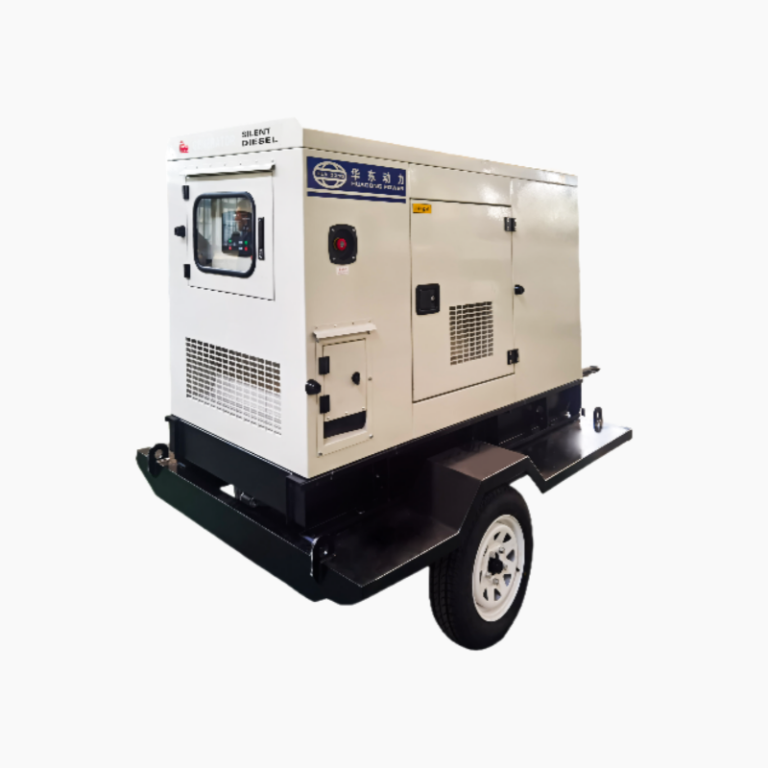
Immediate operational risks and the supply problem
Power interruptions halt production lines, spoil inventory, and erode customer trust. The practical fix is straightforward: a resilient genset supply chain paired with proper site planning. Many teams now specify a container genset for rapid deployment, but procurement timelines, spare-parts access, and commissioning slots often determine whether that specification actually protects operations.
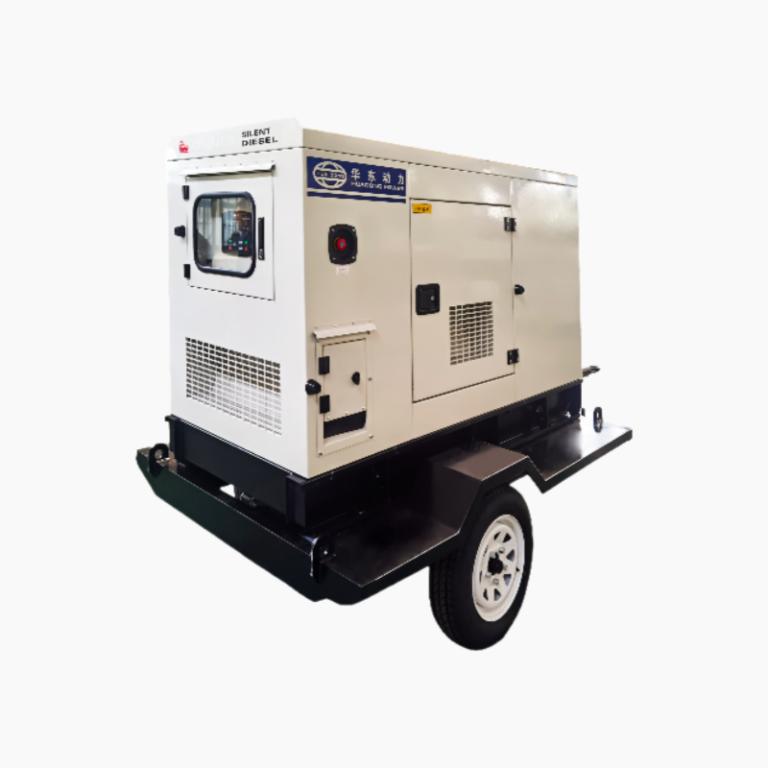
Real-world wake-up call
The February 2021 Texas winter storm exposed how brittle local grids can be and how quickly backup plans become urgent. Hospitals and data centres leaned on standby power and, in several cases, rented large containerised units to bridge weeks of disruption. That event underlines a core point: availability of gensets and timely delivery matter as much as technical specifications like kVA rating or transfer switch configuration.
Why supply-side details change outcomes
Three supply-side factors decide whether a backup system works when needed: lead time, parts availability, and local service capability. Lead times can stretch when diesel engine manufacturers or alternator suppliers face demand surges. Parts shortages—especially for control modules or fuel-system components—turn a quick repair into prolonged downtime. Local service providers and stocking of critical spares are the practical buffers against those risks.
Procurement and deployment checklist
Use a concise checklist to avoid common procurement pitfalls:- Conduct a load study and size the genset in kVA for expected peak and starting currents.- Specify an ATS (automatic transfer switch) matched to your control strategy.- Plan fuel logistics: storage, turnover rate, and treatment for long standby periods.- Require site commissioning and load bank testing before handover.- Confirm noise and emissions constraints with local authorities.- Secure a maintenance SLA with defined spare parts and response times — this often beats lower initial price.
Common mistakes teams make — and fixes
Teams often under-estimate three things: transient loads, fuel degradation, and testing frequency. Under-sizing a genset for motor starting or simultaneous loads causes nuisance trips. Neglecting fuel conditioning and rotation lets microbial growth and water contamination degrade reliability. And skipping scheduled load bank runs leaves latent faults undiscovered — run the tests on a planned cadence. These are operational errors, not engineering mysteries — solvable with simple governance.
Operational production teardown: fitting container genset and container diesel genset into the line
An operational teardown is a walk-through of how the backup system behaves under real conditions. Start with the single-line diagram: confirm the ATS location, breaker coordination, and any paralleling logic if multiple units are used. Verify kVA sizing against worst-case starting currents. Inspect fuel piping, day tanks, and filtration; ensure the diesel engine starting batteries have maintenance access. Perform a staged switch-over: transfer to generator, hold for a defined production segment, then return to mains — record voltage, frequency, and harmonics. During this process, reference both container genset and container diesel genset characteristics: enclosure ventilation, ambient temperature derating, and the installed control firmware. This teardown reveals mismatches between vendor specs and plant realities.
Human factors and service design
Staff need clear roles for testing, refuelling, and incident escalation. Train a “first responder” operator and a technical contact at the service vendor. Documentation must be concise: one-line schematics, fuel rotation logs, and a quick-start checklist. These steps reduce decision friction during real incidents — small actions that prevent costly errors.
Advisory: three golden rules for choosing and sustaining genset solutions
1) Measure total readiness, not just specification: evaluate lead time, stocked spares, and on-site commissioning history. 2) Insist on proven acceptance testing: factory-acceptance tests are good; site load bank testing is mandatory. 3) Score suppliers on service metrics: average response time, parts fulfilment within 48–72 hours, and documented technician certifications.

When you align purchasing with those metrics, resilience becomes measurable — and procurement decisions predict outcomes. For many operations, that measurable resilience is exactly the value offered by Huadong Power. —
