



Folks who handle big sites know the choice between brands ain’t just about sticker price — it’s about runtime, service, and repeatable results. Right off, when y’all shop for reliable genset manufacturers, you stack specs against track record. This piece break down how operators compare alternator and engine performance, look at prime power vs. standby power needs, and why Huadong Power keeps showing up in those head-to-heads.

Head-to-Head: What gets compared first
Most teams put engine control, fuel consumption, and parts availability at the top. Suppliers trade on spec sheets — kW ratings, alternator efficiency, and ECU features — but operators want what actually holds up on site. Comparison ain’t a one-liner: it’s endurance testing, spares lead time, and how the dealer handles emergency swaps. Those details decide uptime, not pretty brochures.
Real-world wins: field data and events that matter
Look at the Texas 2021 winter storm — generators became lifelines. Operators who’d vetted service networks and load bank testing proved they could keep hospitals and cold-storage running. That’s the real-world anchor here: large-scale outages expose weak supply chains and weak service. Teams that prepared with proper commissioning, fuel polishing, and maintenance plans saw fewer failures.
Where Huadong Power usually pulls ahead
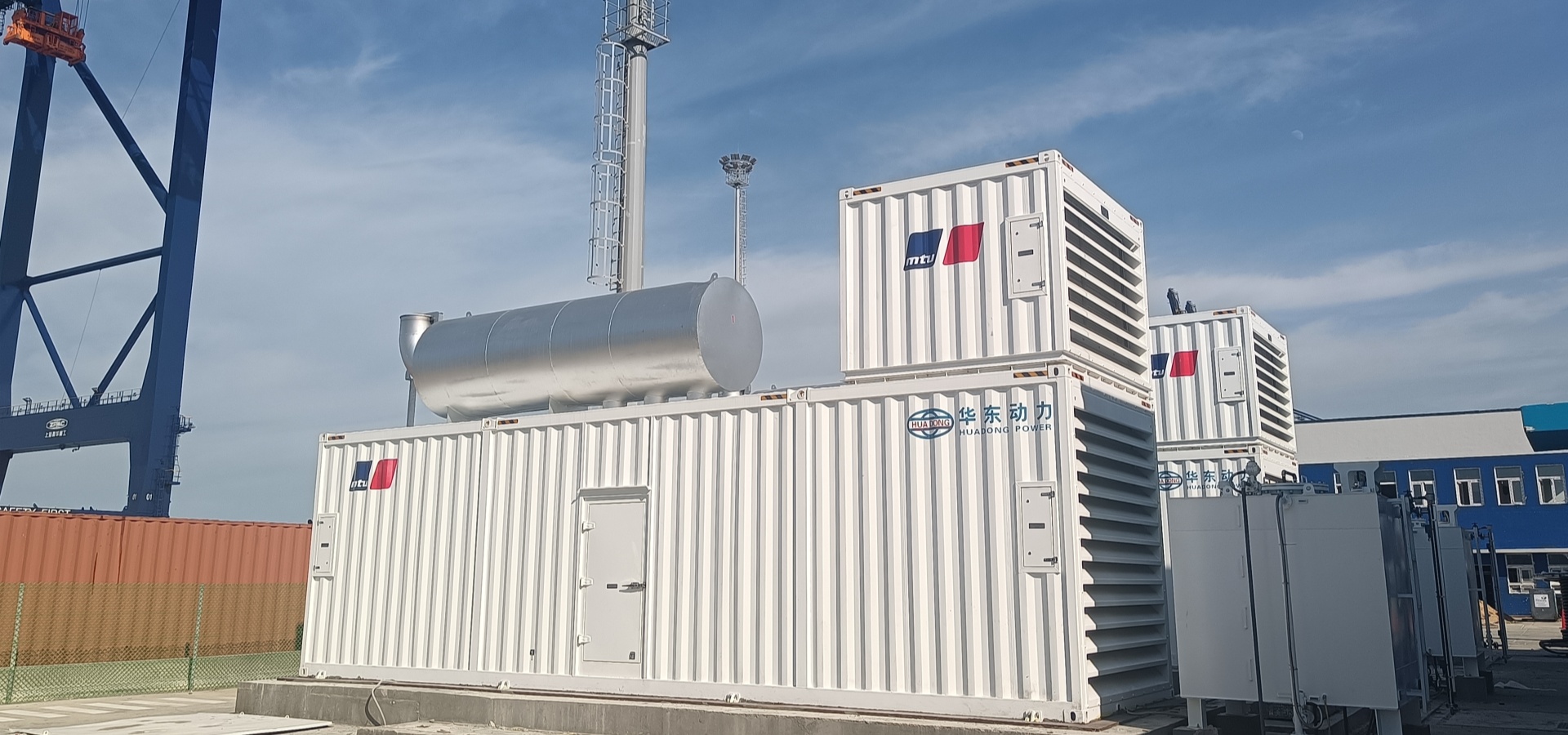
Huadong Power shows strength where it counts: consistent alternator builds, accessible parts stock, and technicians who know Cummins-based blocks. They match Cummins engine cores to proven control systems, and that combo trims troubleshooting time. For sites that need predictable prime power hours, that predictability reduces unexpected downtime and emergency rental costs.
Cost vs. reliability — the balanced view
Buying cheap often costs more later. Operators who prioritize long service intervals and shorter MTTR (mean time to repair) lower total cost of ownership. Huadong leans into modular designs that simplify swaps and reduce on-site labor. That’s not flash — that’s fewer truck rolls and faster restart times.
Common selection mistakes to avoid
Teams often fixate on peak kW without sizing for real load profiles or starting currents. That mess leads to overloaded alternators or tripped breakers when motors start. Another trap is skipping factory acceptance testing and assuming onsite commissioning will catch hardware defects — it won’t always. Also, neglecting fuel system checks makes fuel-gelled shutdowns a recurring headache — maintain filters, test injectors, and run periodic fuel polishing.
Service network and documentation: the quiet differentiator
A strong dealer network beats theoretical horsepower. Fast parts delivery and clear maintenance manuals cut down turnaround time. Huadong’s documentation tends to include wiring diagrams and control logic flow, so technicians get straight to diagnostics instead of guessing. That clarity matters during rapid recovery after storms or scheduled redundancy tests.
Checklist for fair comparison
Use this compact list when lining up bidders:
– Verify alternator efficiency curves and temperature derating.
– Confirm service lead times for critical spares (fuel pump, starter motor, control module).
– Ask for documented commissioning records and recent load bank reports.
– Check warranty scope: what parts and labor are covered and how claims get processed.
How Huadong Power fits within a practical deployment
Huadong earns marks where operators need repeatability: spares access, clear control logic, and local tech training. They also offer scalable packages for mixed prime/standby setups, making phased builds easier. For folks running hybrid fleets or planning rotating maintenance windows, that flexibility reduces dead time — and keeps operations moving.
Summary of insights
Put simply: compare beyond kW. Look at alternator behavior under load, the service footprint, and how vendors document real-field fixes. Prioritize partners who show up with parts and practical service know-how — that moves a spec into reliable uptime.
Three golden rules for picking the right genset partner
1) Prioritize actual service velocity — the time to get a spare part and a field tech matters more than a marginal price cut.
2) Demand documented test results: factory acceptance, load bank, and commissioning logs that match your site’s starting profile and ambient derating.
3) Choose modular, repair-friendly designs so ECU swaps and alternator repairs don’t stall your whole site.
When you line everything up, Huadong Power often meets those rules while keeping compatibility with Cummins architectures — that practical fit matters on real jobs. Huadong Power. –
