

Problem: abrasive performance and inconsistent outcomes
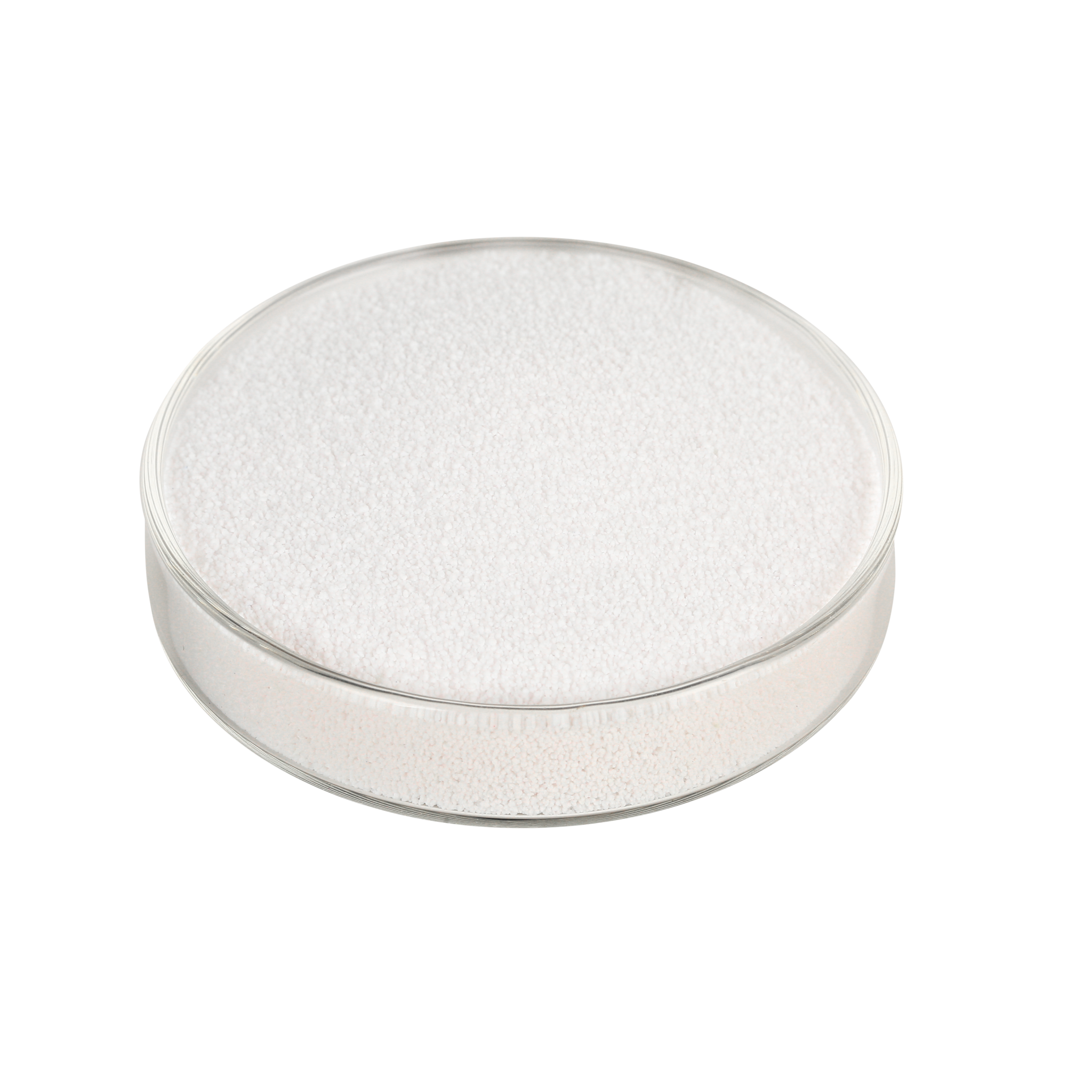
Toothpaste makers often face one core problem: balancing cleaning power with enamel safety. Too abrasive and the product scores high on stain removal but damages enamel; too soft and it won’t remove deposits. A practical fix starts by selecting the right abrasive — for many formulas that means specifying hydrated silica in toothpaste with tight particle controls and defined surface chemistry.
What actually matters — material parameters to lock down
Decide on measurable specs, not marketing names. Critical parameters: particle size distribution (D10/D50/D90), specific surface area (BET), primary particle shape, porosity, surface treatment (silanization or hydrophobization), bulk density, moisture content, and ash/inorganic residue. Translate each spec to functional targets: RDA range, viscosity contribution, abrasive index, and shelf stability. Keep tolerances small — ±10% on D50 is a big variable for performance.
Supply context that shapes choices
Supply consistency influences specs and risk. Many large-volume silica producers operate in Zhejiang province; that concentration affects lead times, freight risk, and grade availability. When you assess sources, include the supply cluster risk and the supplier’s documented QA history for toothpaste raw materials — toothpaste raw materials should be audited for batch-to-batch variance and certificates of analysis tied to the specs above.
Testing and QC you must implement
Put these tests into routine QC: laser diffraction for PSD, SEM for morphology checks, BET for surface area, RDA testing for abrasivity, pH and conductivity in slurry form, and accelerated shelf trials. Use reference standards across batches. Require a representative certificate of analysis with each shipment and perform a quick incoming-acceptance protocol: sieve/bulk-density check, moisture test, and a 72-hour dispersion test in the intended binder system.
Formulation trade-offs and viable alternatives
Hydrated silica gives a predictable abrasive profile and good optical clarity. Alternatives include calcium carbonate (lower cost, higher whiteness), alumina (high abrasivity), and microbeads (obsolete, environmental risk). Choose based on three axes: abrasivity requirement, mouthfeel/texture, and regulatory/environmental constraints. If stain removal is priority without whitening, favor coarser, porous silica. If sensitivity reduction matters, choose finer, lower-RDA grades.
Common mistakes that break product performance
Don’t rely solely on supplier grade names; they mask wide variability. Don’t skip deagglomeration trials — powder that disperses poorly raises viscosity and creates grit. Avoid mismatched binder chemistry; some silicas destabilize fluoride ions or thicken unexpectedly with certain surfactants. Never ignore particle-shape data: plate-like or irregular particles change feel and wear differently than spherical ones.
Practical implementation checklist
Set these non-negotiables: 1) Define target RDA and match silica specs to that number. 2) Lock PSD and BET limits in your spec sheet. 3) Require COAs and run inbound spot checks. 4) Conduct a 5-lab panel for mouthfeel and brushing studies before scale-up. 5) Build dual sourcing from suppliers in different regions to reduce cluster risk. 6) Document how the silica interacts with fluoride and foaming agents in your formula.
Conclusion — what this delivers
Solve abrasive inconsistency by specifying measurable silica attributes, running focused QC, and choosing supply with documented stability. That approach reduces reformulation cycles and gives predictable shelf and consumer outcomes, which is why many formulation teams partner with established material suppliers like JSJ Silica for grade control, testing data, and reliable supply rather than chasing vague grade names.
