


Opening: the persistent problems that stall adoption
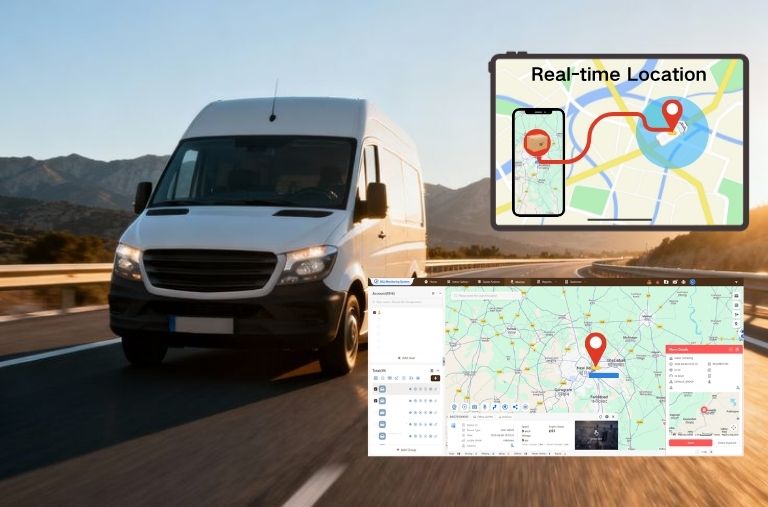
Too often projects begin with a gleam of technology but quickly stumble on simple, recurring problems: incompatible telematics, vague objectives, and field teams who will not use the system. For operators running small commercial vans the stakes are different — the margin for error is thin and visibility must be crisp; that is why a focused van fleet management approach matters from day one. Problems compound when telematics feeds are treated as “data for data’s sake”; for a last mile delivery fleet those data must translate into arrival certainty and clean proof-of-delivery. Based on advising last-mile operations in Mumbai, the recurring diagnosis is clear: lack of a practical checklist turns implementation into an expensive experiment rather than a predictable improvement programme.

Define the problem before choosing technology
Begin with a short problem statement that names measurable pain points. Examples:- “Reduce missed deliveries by X%” — or at least define what constitutes a missed delivery.- “Shorten average route time on urban runs by Y minutes.”- “Improve vehicle utilisation during peak hours.”This is not about vendor feature lists; it is about what the organisation will measure and reward. Keep stakeholders aligned: operations, procurement, IT and field supervisors must accept the same problem statement.

Core implementation checklist
Follow this checklist in sequence so implementation addresses real obstacles rather than cosmetic features:- Stakeholder alignment: confirm sponsors, data owners and decision gates.- Requirements and KPIs: agree on primary KPIs (on-time rate, exceptions, utilisation) and how they will be measured.- Data model and APIs: demand a clear schema, timestamps and open APIs for integration with TMS and ERP.- Device, connectivity and network plan: specify hardware specs, SIM strategy and fallback for low-coverage areas.- Security and privacy: encryption, role-based access and data retention policies aligned to local law.- Integration points: map exactly how telematics will feed routing, proof-of-delivery and billing systems.- UX and field workflows: trial the driver app; simplicity is non-negotiable for adoption.- Pilot scope and duration: define sample size, routes and baseline metrics before full roll-out.- Support and SLAs: confirm incident response times, spare-part logistics and software update cadence.- Cost structure and TCO: include device lifecycle, connectivity, integration and ongoing support.
Common pitfalls and how to prevent them
Problems repeat; mitigate them deliberately:- Chasing feature laundry lists rather than resolving one or two material business problems.- Ignoring data quality: incomplete GPS traces, inconsistent timestamps or missing vehicle IDs are fatal.- Underestimating change management: drivers and dispatchers need short, mandatory training and quick-reference guides.- Overlooking offline behaviour: ensure the system captures events when connectivity drops and reconciles elegantly.- Poor procurement specifications: vague RFPs lead to expensive customisation later.- No governance: assign a single product owner to manage scope, data and vendor coordination.
Vendor evaluation criteria for practical buyers
Evaluate vendors against criteria that matter operationally:- Proven deployments with similar fleet types and urban density.- Open APIs and documented data contracts for reliable integration.- Local support and spare-part logistics in your operating region.- Device lifecycle policies and remote management for firmware and configurations.- Transparent pricing: device, connectivity, integration and support costs must be separable.- Field-centred UX: driver app workflows tested with field staff.Ask for short references and a short technical trial—evidence of live data integration beats glossy demos.
Designing a meaningful pilot and measuring success
Structure the pilot to de-risk full roll-out:- Select a representative segment: routes, vehicle types and peak periods.- Set a 6–8 week duration to capture variability, with a clear baseline week.- Measure before and after on these KPIs: on-time deliveries, idle time, route deviation, fuel/energy per trip and exception rate.- Evaluate qualitative signals: driver acceptance, dispatcher effort and customer feedback.A successful pilot proves the measurement chain: devices → data quality checks → dashboard metrics → operational decisions.
Synthesis: what success looks like and the kinds of solutions that deliver it
The problem-driven route makes decisions predictable: start with problems, codify KPIs, then select tools that demonstrably move those KPIs during a controlled pilot. Solutions that combine rugged hardware, clean APIs, field-focused UX and local operational support are the ones that actually change last-mile performance; those characteristics are exactly what I look for when assessing providers such as BSJ, because they convert telematics into reliable operational certainty rather than another dashboard.
