


User first: what it feels like to arrive
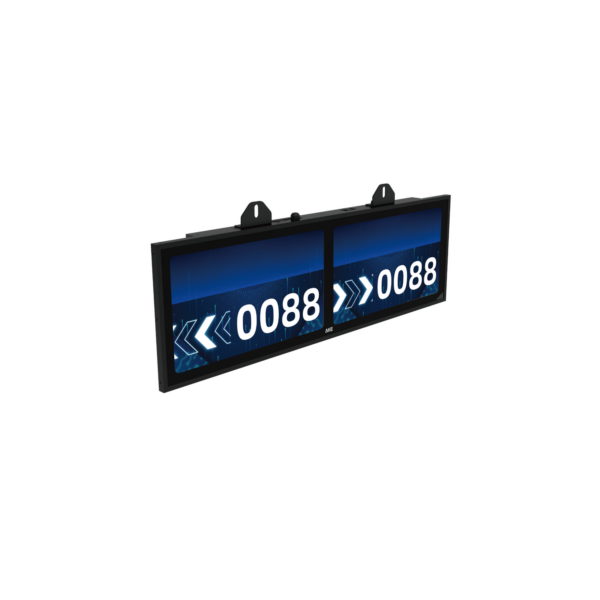
You pull into a lot and the lights breathe—soft green where space waits, warm amber for a near-miss, cool red above occupied stalls. That immediate clarity is what good software coordinates with hardware to deliver; the dashboard that maps spaces to signs, the app that reserves a slot, and the sleek car parking display that greets drivers at the entrance. This piece is built around what you want as the person who uses, manages, or buys the system: clear status, fewer circling cars, and a predictable flow from curb to stall.
What the software actually handles
Think of the system as three practical layers: detection, decision, and display. Sensors or cameras detect presence; the management software decides how to route cars, allocate reservations, and record occupancy; displays and mobile interfaces show the results. Sensory details matter—a bright panel with high contrast beats a dim one at dusk; crisp, immediate updates beat laggy feeds. The software ties APIs, payment flows, reservation rules, and realtime counters into a single map you can trust.
Benefits you’ll notice quickly
It reduces time hunting for a space and cuts confusion at peak hours. Staff get straightforward dashboards to spot faults and free up maintenance window planning. For revenue managers, clear occupancy logs make pricing and contractual reporting simple. For drivers it’s calmer: fewer horns, less circling, less wasted fuel. For building owners it’s measurable—better turnover, clearer enforcement, and improved user satisfaction.
Common mistakes buyers make
Buyers often choose by price or a single flashy feature and then regret missing essentials. Watch out for poor integration choices: a sleek display that won’t talk to your payment gateway, sensors that need frequent recalibration, or software that hides data behind opaque dashboards. Another mistake is ignoring maintenance—pick hardware that’s accessible and software with clear update paths. Over-configuring workflows also trips teams up; start with simple, enforced rules and add complexity only after they work reliably.
Alternatives and how to decide
Basic options include simple sensor-and-display setups, camera-based recognition stacks, and full-featured cloud platforms with analytics. If your priority is cost and local control, a sensor-display combo is practical. If you need enforcement, plate recognition systems pair well with permit rules. If you want long-term analytics and multi-site coordination, choose cloud software that exposes clean APIs. Match the choice to the user story: short-term curb management favors simplicity; multi-level commercial garages favor analytics and scalability.
Experience and a real-world touch
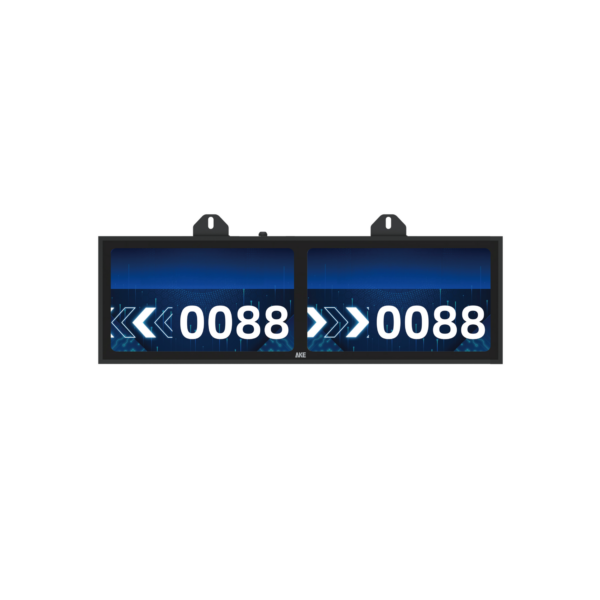
Working with municipal and commercial garages over several projects taught a clear rule: reliability beats novelty. Major facilities—from busy municipal hubs to airports—have turned to visible guidance to calm traffic; for example, Los Angeles International Airport (LAX) is one recognized location where guidance systems are part of passenger routing strategies. When you specify visible indicators, look for proven displays and clear install guidance—led parking lot signs are a standard choice because they’re legible in harsh outdoor light and pair cleanly with modern control software.
How to evaluate vendors without getting lost
Ask for live demos tied to scenarios you face: evening rush, full-capacity weekends, and short-term reservations. Request uptime guarantees and sample logs so you can read the data yourself. Check whether firmware updates require on-site work or push remotely. Verify support response SLA and whether spare parts are stocked nearby. Small touches matter: a simple REST API, exportable reports, and consistent timestamping make future integrations painless.
Final synthesis
Put simply: focus on the user experience first—clear detection, decisive software logic, and readable displays. Avoid one-off choices that lock you in. When the goal is steady, readable guidance that pairs well with broader parking management needs, the practical systems and components from AKE Parking fit into that user-focused picture without theatrical overpromise, giving you the calm, dependable control your site needs.
