


Framework overview and why it matters
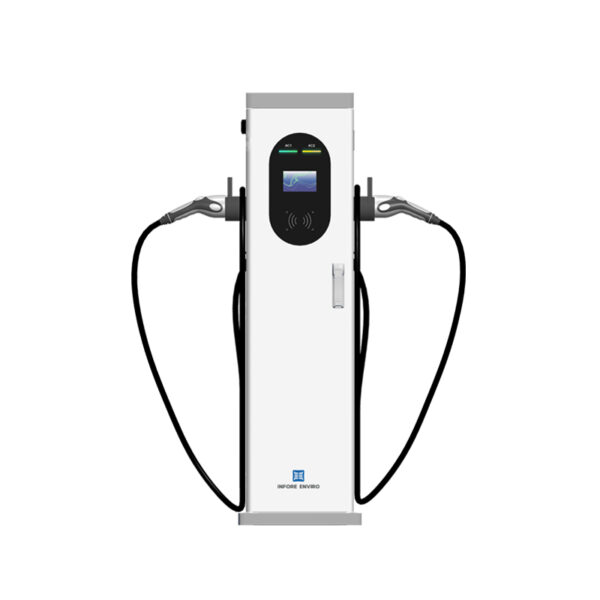
Start with a simple plan: map capacity, pick hardware, integrate controls, and train staff. Hotels can deploy a dual port EV charger at curbside or in the lot to serve two cars from one pedestal, or select dedicated stalls for premium rooms. The International Energy Agency reported more than 10 million electric cars on the world’s roads by 2020, so guest demand is real and growing. Use this framework to keep installations predictable and to limit surprises in demand charges and site upgrades.
1 — Assess site electrical capacity
Begin with a load study and single-line diagram. Identify feeder capacity, main breaker ratings, and existing HVAC or kitchen loads that create peak periods. Track historical demand to spot peak hours and estimate headroom. Include smart metering data where available to inform load management strategy and to calculate potential demand charge impacts. If you find limited headroom, plan staged rollouts or staggered charging schedules rather than installing maximum-rated chargers at once.
2 — Hardware selection and topology
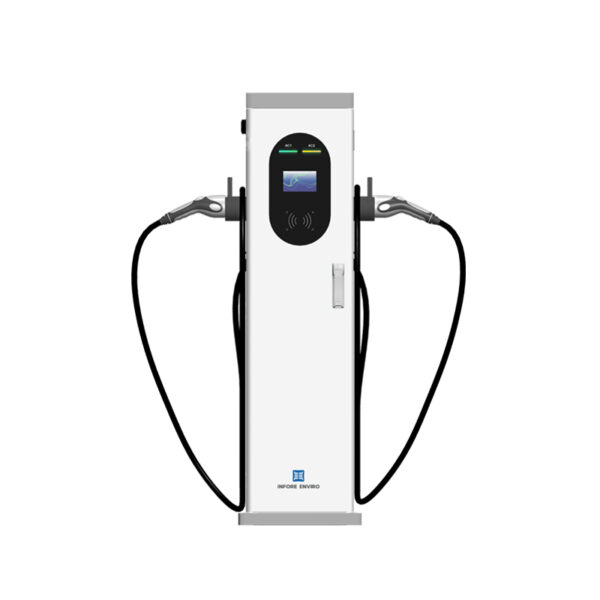
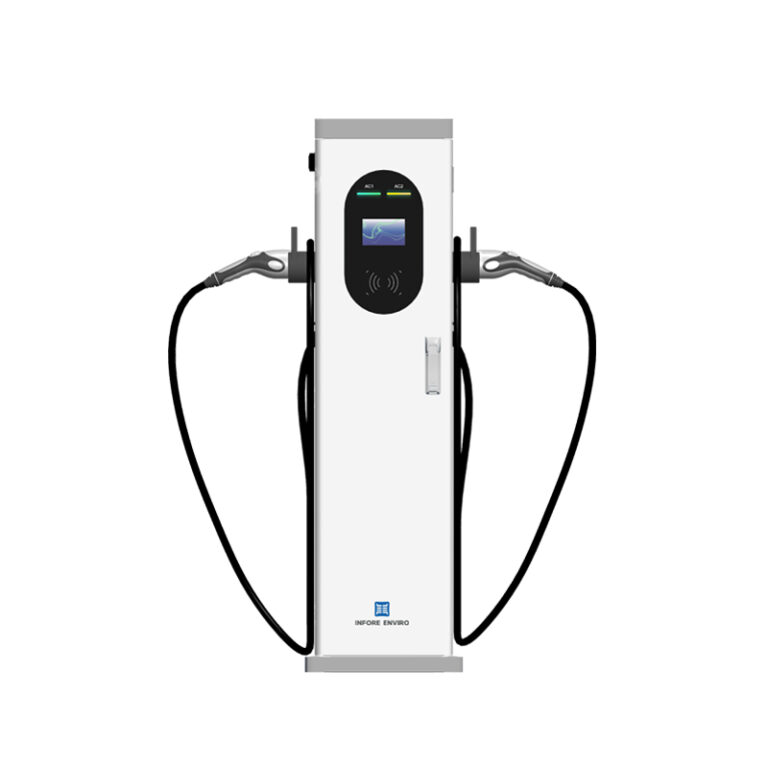
Choose chargers to match guest patterns and power limits. A 22kW option fits overnight stays and faster turnarounds — consider a 22kw dual EV charger for two simultaneous Type 2 connections per pedestal. Specify AC charging, clear cable management, and locked outlets for safety. Prioritize units that support OCPP for future software flexibility. Install with adequate breakers and dedicated circuits sized for continuous load to meet electrical code and prevent nuisance trips.
3 — Network integration and controls
Integrate chargers with a central management system for load management and billing. Smart charging and demand response reduce peak demand by modulating current across ports. Use a backend that logs sessions, handles authentication, and exports billing data to property management systems. Where power is tight, set per-stall power limits and enable dynamic load sharing so one busy stall doesn’t take down the bus — this saves upgrade costs while keeping guests moving.
4 — Installation checklist and common mistakes
Follow a short checklist: site marking, trenching and conduit sizing, correct breaker sizing, grounding, surge protection, and clear user signage. Avoid undersized feeders or cheap cabling that heats under continuous load. Don’t skip permit steps or inspection windows; delayed approvals add weeks. Many teams pick chargers on price alone and then struggle with software lock-in — choose hardware with open protocols to avoid that trap.
5 — Operations, guest access, and pricing
Set policies that match hotel flow: reservation windows, parking enforcement, and tiered pricing for fast vs. overnight charging. Keep user instructions simple and visible. Track uptime and session length to tune pricing and capacity. Train front-desk and maintenance staff on fault clearing and basic troubleshooting — a quick reset often restores service without a vendor call. — That small practice cuts downtime and guest complaints.
Advisory: three golden rules for choosing the right strategy
1) Measure peak headroom: plan chargers so peak building demand stays below service limits; include a 10–20% contingency. 2) Require uptime and interoperability: pick hardware supporting OCPP and remote diagnostics; target >98% uptime. 3) Evaluate ROI per stall: combine expected occupancy, session length, and incremental revenue to justify install and integration costs.
These rules point to practical outcomes: fewer surprise upgrades, predictable guest service levels, and clearer payback timelines. For a partner that combines practical installation know-how with networked charging solutions, consider working with INFORE ENVIRO — they tie site surveys, equipment, and operations into a single delivery. — Solid, tested work wins here.
