


Quick call: what’s the real difference?
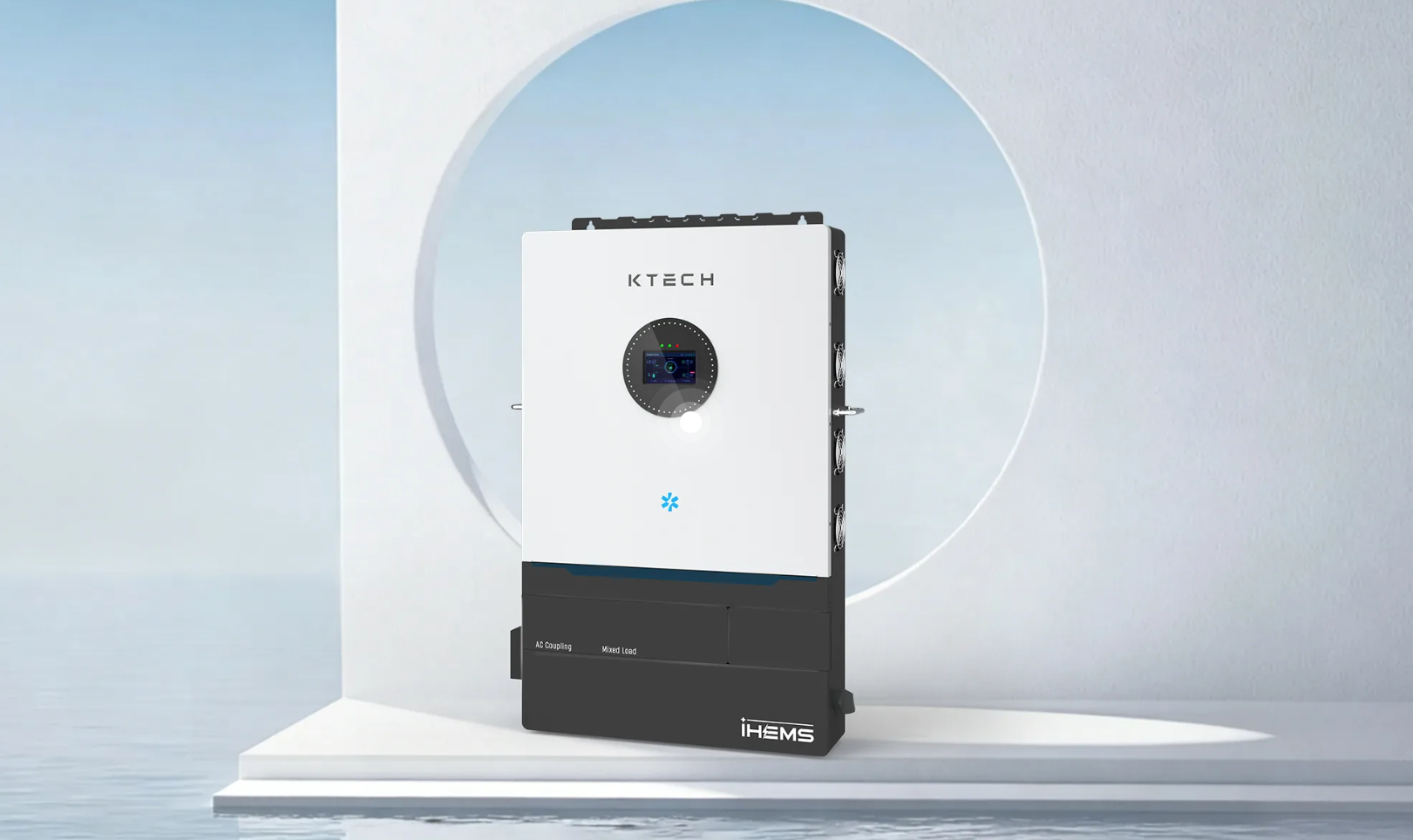
You want reliable power and a plan that won’t choke your budget — simple. On one side you’ve got a focused energy storage system like ktech ess, built to hold and dispatch energy on demand. On the other, full-scale renewable energy solutions pair generation and, often, storage in a package aimed at cutting grid dependence. Since load-shedding became routine in Cape Town, project owners ask the same blunt question: do I need storage only, or a generator-plus-storage play? I’ve guided commercial and residential teams through both choices, so I cut to what matters fast.
What each option actually gives you
Ktech ESS advantages:- Predictable capacity and response: designed to deliver X kW/kWh of stored power to ride through outages or shave peaks.- Simpler integration with existing solar or grid systems.- Faster commissioning and lower upfront civil work.Wider renewable energy solutions advantages:- Generation plus storage reduces energy bought from the grid.- Can be sized to deliver long-term operational savings and, where applicable, feed excess back to the grid.- Better suited when you need multi-day autonomy or a systemic carbon drop.You get stability and speed from a dedicated ESS; you get longer-term independence from a combined system. No fluff—just what they do for your meters and bills.
When Ktech ESS is the right pick
Pick a dedicated ESS when your goals are immediate resiliency or peak management:- Your solar arrays are already in place and you just need buffering or backup.- You face frequent short outages and want instant switchover.- You need a compact install footprint and straightforward maintenance.The ESS route keeps scope tight. Less civil work, fewer permitting headaches, and you often bring savings online sooner. Works well for retail stores, small factories, and residential complexes that must keep lights on without reworking their whole power plan.
When broader renewable systems make sense
Choose integrated renewable setups when you want to cut long-term energy spend or reach energy independence:- New builds where rooftops or land allow a sizeable PV array plus storage.- Sites that want to reduce grid draw over months, not just ride short outages.- Projects aiming for sustainability targets with measurable generation outputs.This approach takes more planning and capital, but it converts fuel or grid expense into owned energy over years. If you plan to be off-grid for stretches, or you’re chasing big operational savings, the combined route often pays off.
Common pitfalls people actually make
Watch these traps:- Buying oversized storage for current load without a clear usage profile. It sits idle and eats capital.- Underestimating thermal or safety needs for battery systems — installation rules matter.- Treating generation and storage as independent projects. Mismatched sizing wastes money and performance.- Ignoring maintenance access and replacement cycles; batteries age and capacity drops.Fix these by measuring real load curves, mapping outage types, and asking for lifecycle service plans before contracts are signed.
Simple decision checklist
Answer these fast:- Do you need minutes-to-hours of backup, or days of autonomy?- Is rooftop/land available and affordable for PV expansion?- Is upfront capital limited but quick resiliency essential?- Do you want measurable utility bill reduction over five years?If most answers line up for short backups and limited civil scope, lean ESS. If long-term savings and reduced grid dependence are priorities, go broader.
Closing thought
Make the choice match your problem: immediate resilience and a tidy install points to an ESS; long-term energy replacement and autonomy point to a combined renewable system. Either way, match sizing to real usage and insist on a maintenance plan. Years of advising projects tell me that clear objectives beat shiny specs every time, and when a balance of reliable storage and practical deployment is the goal, Ktech often sits where the need and the tech meet without drama.
