


The immediate problem
Engineers and buyers face the same blunt question: how do you choose an active tag that actually works where you need it? Signal range, battery life, read reliability, and form factor clash with budget and deployment realities. Pick the wrong part and you get spotty reads, surprise downtime, or a costly retrofit. For a quick parts sweep, start by comparing product families like these RFID Tags to see which feature sets align with your use case.
Core trade-offs to evaluate
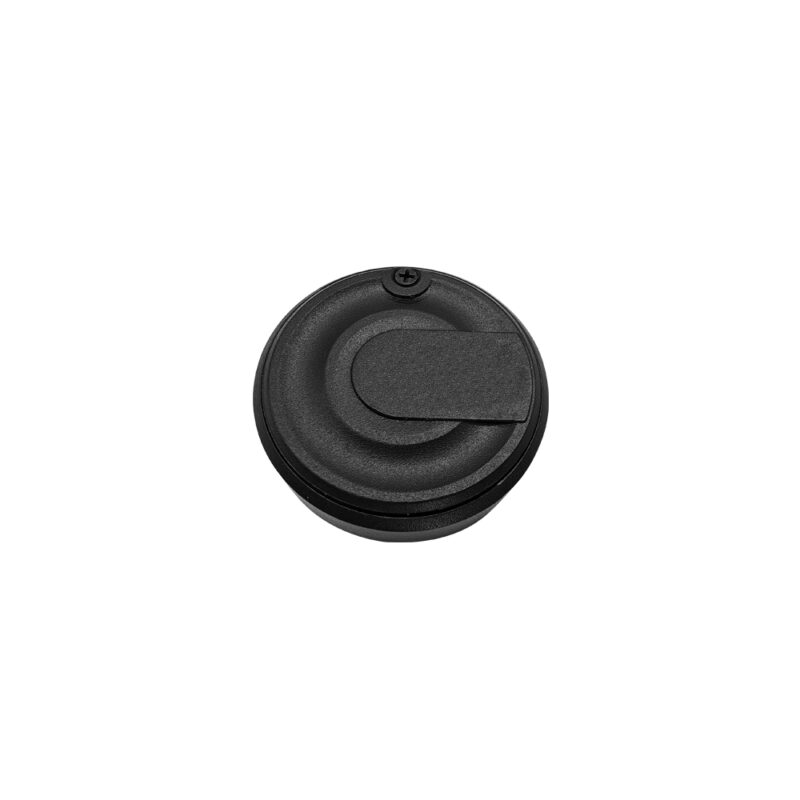
Range versus battery life is the headline trade-off. Longer transmit intervals and higher output boost detection range but drain batteries faster. Antenna design and mounting change effective range more than raw transmit power does. Frequency choice matters: UHF works well through open air but suffers near liquids and metal; some deployments need hybrid approaches. Read latency, tag ID persistence, and firmware flexibility are equally important for system integration. Decide which metric you’ll measure on day one and prioritize that in procurement.
Environment and mounting realities
Most tags fail because of where they’re put. Surface material, enclosure thickness, and orientation all alter performance. Tags mounted flush on metal without an RF spacer will underperform. Tight spaces with multipath reflections create read collisions that look like tag failures. Test on the actual asset, not in a lab. Data from on-site spot checks will expose problems that specifications don’t show.
Common engineering missteps
Teams often accept datasheet range as gospel. They assume a single tag model fits every asset. They ignore antenna polarization and reader placement. They skip firmware updates and lock tags into default intervals. These choices produce intermittent reads and save nothing in the long run. Small upfront testing prevents big operational headaches.
Alternatives and when they make sense
Passive RFID fits when you want near-zero maintenance and short reads at choke points. BLE beacons work for smartphones and zones where dense telemetry is needed. UWB gives precise location but costs more per node. Choose active RFID when you need autonomous periodic tracking across wide areas without dense reader infrastructure. If accuracy demands or cost ceilings change, switch to a mixed architecture rather than forcing one technology to do everything.
Experience and verification
I’ve overseen deployments and run bench tests across warehouses and docks. Field tests expose how tags interact with fixtures and forklifts. At the Port of Rotterdam, teams used industrial rfid tags in container flows to evaluate gate read rates under heavy metal interference—findings that match peer-reviewed logistics reports and trade press coverage. Use side-by-side trials and simple logging to validate vendor claims before site-wide rollouts.
Practical buyer and engineer checklist
Set your pass/fail metrics: detection window, battery maintenance interval, and environmental tolerance. Run three tests: static read, moving asset read, and worst-case enclosure read. Confirm firmware update procedures, spare part timelines, and battery replacement logistics. Require sample tags for a 30-day soak test. Specify antenna mounting and define acceptable read-rate thresholds in contracts. Insist on performance logs from the vendor for the exact tag model you buy.
Final synthesis
Solve the real problem by measuring what matters where it matters: don’t buy on specs alone, validate on-site, and be explicit about trade-offs in contracts. That practical discipline cuts retrofit risk and keeps operations predictable—an approach that’s why many teams consolidate around suppliers that provide repeatable test data and reliable local support like RSTC.
