


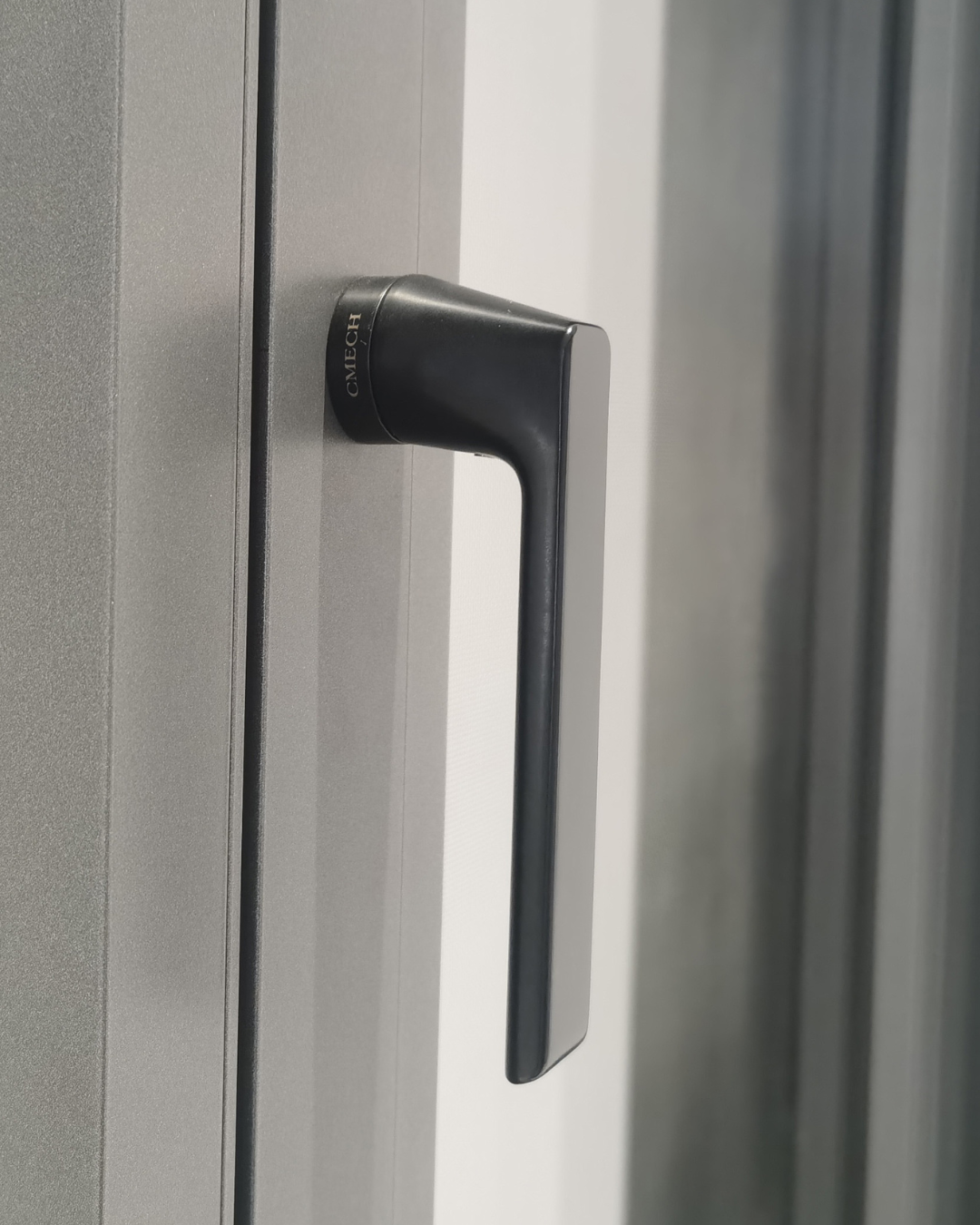
Comparative lead: why hardware choice matters
Lockable casement handles are more than a security detail — they shape how a window seals, operates, and meets egress requirements. When you compare an inswing casement window to alternatives like double-hung or sliding units, the handle geometry, multipoint lock engagement, and sash fit determine both thermal performance and daily usability. A tight frame profile with correct weatherstripping reduces air infiltration, while a robust multipoint lock and torque-balanced hinge influence longevity and safety.
Performance dimensions to weigh
Think of hardware performance along three axes: sealing, security, and serviceability. Sealing depends on sash compression and gasket contact; security relies on handle lock strength and the number of locking points; serviceability covers hinge effort, corrosion resistance, and the ease of replacement. The U.S. Department of Energy estimates that windows account for about 25% of residential heating and cooling energy loss, so even small gains in sash compression and reduced draft translate into measurable savings over a season. Practical industry terms to watch are sash, multipoint lock, and weatherstripping — they tell you where gains happen.
Direct comparisons: lockable casement handles vs. common alternatives
Lockable casement handles typically deliver superior airtightness compared with sliding windows because the sash presses into the frame rather than sliding past it. Compared with double-hung designs, casements often provide better egress clearance when designed to open fully outward or inward. However, hardware quality varies: low-end handles may strip or allow play in the sash, defeating sealing benefits. Evaluate torque specs, handle throw distance, and the engagement depth of locking cams when comparing models. Also consider hinge design — a well-designed casement hinge reduces operating force and wear.
Installation and common mistakes — learn from the field
Errors in installation negate even the best hardware choices. Typical mistakes include mismatched screw lengths that interfere with the casement hinge, improper sill slope that traps water, and incorrect compression adjustment on the locking points. Installers sometimes overtighten screws — that stiffens operation and shortens service life. A correct setup balances sash compression so weatherstripping compresses evenly across the frame without dragging. — Small adjustments during installation pay off in reduced call-backs.
When egress and code matter
For bedrooms and sleeping areas, egress requirements influence handle and hinge selection. Properly sized openings and unobstructed sash travel are the core of egress compliance; hardware must allow the sash to open fully without snagging. If egress is a priority, look for handles and stays that clear the usable opening and for frame profiles that maximize unobstructed width. Resources on real-world installations, such as retrofit projects in older urban buildings, show that replacing worn hardware often restores egress capability without full-frame replacement. For detailed operational references, consult product pages describing inswing casement windows egress and their clear opening specifications.
Alternatives and trade-offs
If you need lower maintenance, fixed windows with insulated glazing offer better long-term thermal performance but sacrifice ventilation and egress. Awning windows give rain-sheltered ventilation but less clear opening. Each choice trades performance, cost, and safety. When selecting hardware, prioritize durable finishes, replaceable components, and documented torque limits — those attributes reduce life-cycle cost and simplify field repairs.
Practical checklist before buying
Use this short checklist to compare offerings: 1) Verify multipoint lock engagement depth and number of locking points; 2) Confirm handle torque and throw distance for ease of use; 3) Inspect hinge design for balanced sash operation and accessible replacement parts. Test a sample unit in the field if possible — feel the sash, inspect seal compression, and note whether the handle locks smoothly.
Advisory close: three golden rules for selecting window hardware
1) Prioritize engagement and seal: choose handles and locks that compress gaskets evenly across the sash to reduce air infiltration and energy loss. 2) Favor serviceability: select hardware with replaceable components and clear torque specs so future repairs are straightforward. 3) Match design to function: if egress or maximum ventilation is required, pick handle and hinge combinations that guarantee full, unobstructed openings. These rules produce measurable improvements in comfort, security, and lifecycle cost.
For project teams that want a reliable baseline and accessible spare parts, the value presented by CMECH shows up in clear specifications and practical hardware choices — a solution that meets the metrics above and keeps installers’ work simple. — Final thought: get the handle right, and the rest follows.
