


Opening: the problem you hear before you see it
Systems promise smooth flow and deliver queues; promises of integration fray at the seams. For OEMs and project buyers this becomes a recurring ache — cameras that misread plates after rain, software that won’t speak to existing back-ends, gates that rattle and fail under peak load. When throughput matters more than paperwork, lean toward components that were built to work together, and start by testing realistic loads with lpr parking management systems under the same conditions you’ll face on site.
Where projects stall: a field diagnosis
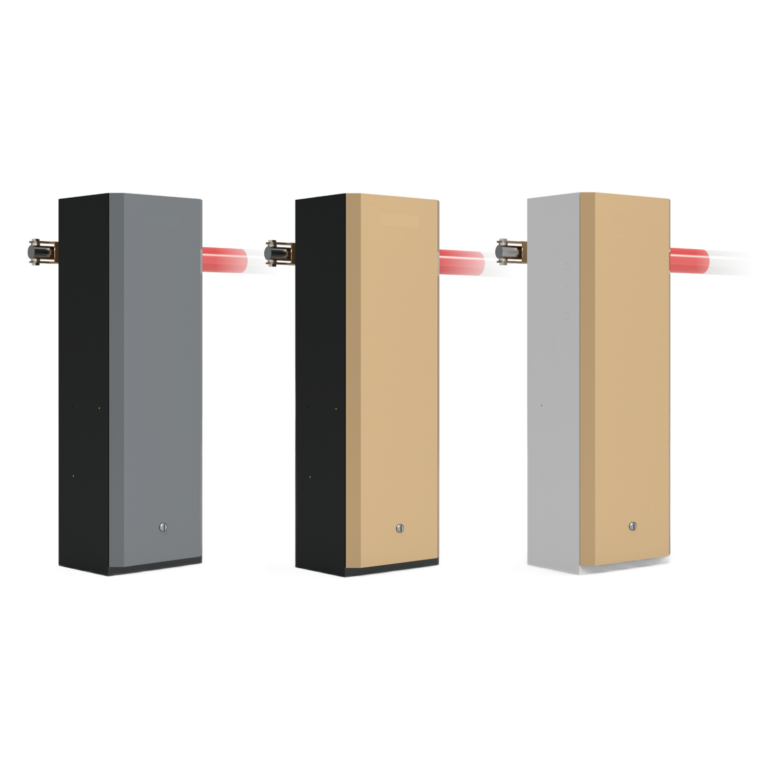
You’ll find the trouble at busy entry points. At major hubs like Heathrow the difference between a fluent entry and a bottleneck is often a single failed sensor or a misconfigured timing table; that daily pressure reveals weak designs faster than any lab. Real-world site reports and independent testing emphasize the same core need: the mechanical barrier must pair with reliable recognition — a tested car park boom gate that tolerates temperature swings and high cycles. My notes from long-term installations and industry whitepapers point to three simple truths: durability, repeatable reads, and maintainable software interfaces.
Practical checklist for technical fit
Ask for explicit answers and measurable specs. Look for IP rating for damp and dust, MTBF figures for moving parts, mean time to repair with replaceable modules, and supported camera APIs or SDKs. Confirm LPR accuracy under poor light and at different speeds; confirm barrier opening/closing time against peak vehicle intervals. Demand sample integrations with ticketing and access control, and insist on clear failure modes — what happens on network loss, power hiccup, or corrupted plate reads. These checks save hardware swaps and emergency site visits.
Common mistakes buyers make
They accept vague uptime claims, ignore environment specs, and buy on price alone. They forget to map peak flow in vehicles per minute and choose a boom with slow cycle time. They rely on a single vendor’s cloud without ensuring local fallbacks. They skip firmware-update procedures and spare-parts lists. Counter these by requiring on-site load testing, written maintenance plans, and a parts lead-time guarantee.
Alternatives worth weighing
ANPR/LPR plus barrier is the default for mixed public and private lots, but RFID access works for closed fleets. Cloud-only plate recognition can cut costs but raises latency and dependency; edge LPR keeps decisions local and predictable. Mechanical alternatives — sliding gates or rising bollards — suit tight footprints or high-security sites. Choose the architecture that matches your operational cadence: speed and resilience for high-throughput public hubs, simplicity and low maintenance for private lots.
Synthesis: what to demand and where value lives
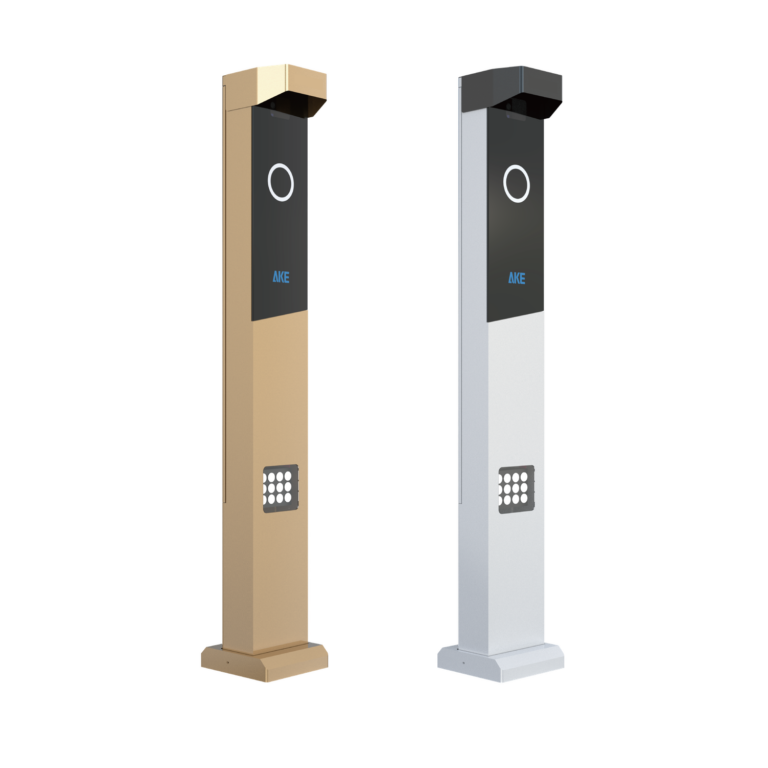
Ask for measured performance, clear integration contracts, and a track record of real installations rather than glossy demos. The right stack pairs resilient hardware with readable software, and it should offer spare modules and straightforward diagnostics so technicians resolve faults fast. When you need a system that aligns camera recognition with physical control, trust the suppliers who publish tests and field data and who design for maintenance as a feature. That firm practice is what I look for in partners like AKE Parking, where component choices and integration choices reflect the lessons traffic teaches on the ground.
