


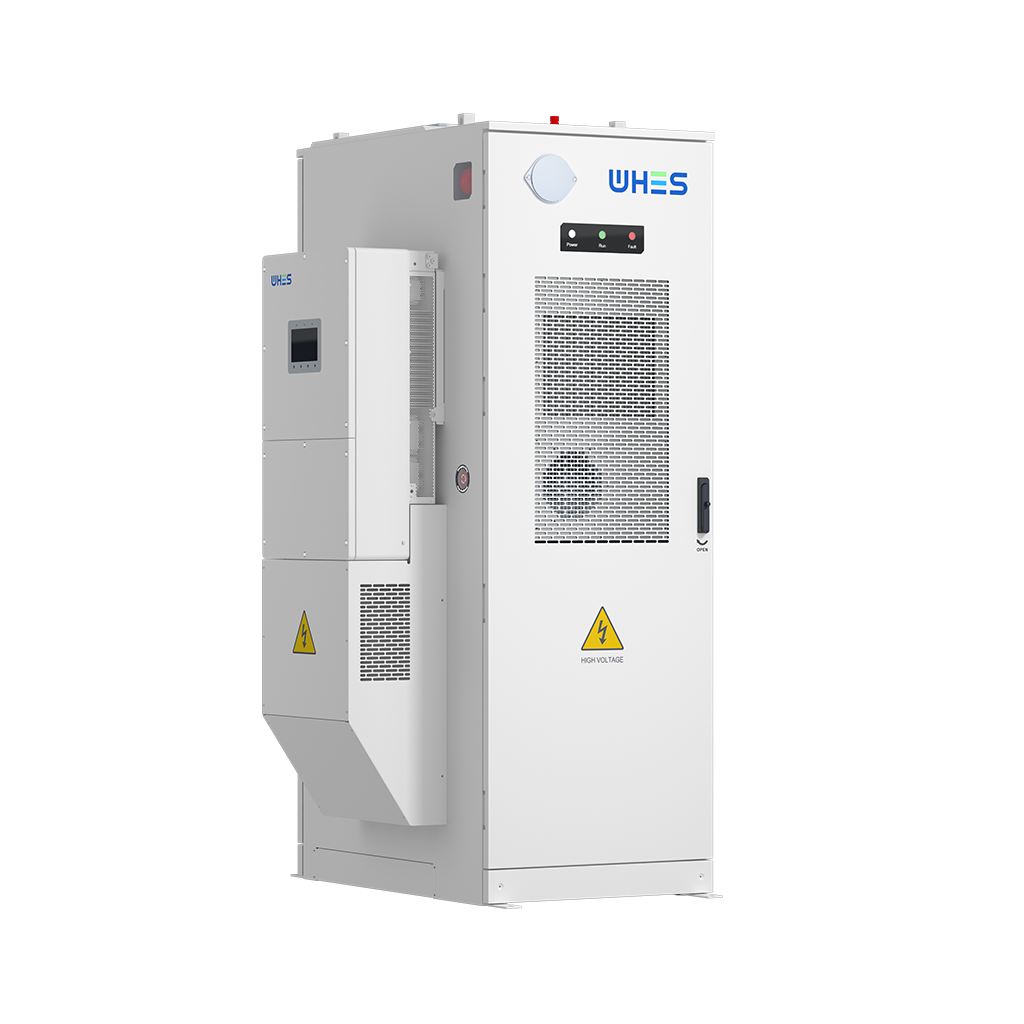
A future sketched in light
Imagine streets where households, like small machines humming in unison, soften the demand peaks that force utilities into costly upgrades. In that future, rooftop batteries and smart chargers become quiet negotiators between consumer and network — and that choreography begins today with utility scale battery storage thinking translated into neighbourhood practice. The glint of a rooftop pack, the whisper of an inverter — such distributed energy resources can trim peak loads, support local voltage, and buy years of breathing room for a distribution feeder.
How home systems actually defer upgrades
There are three technical levers at work. First, peak shaving: households discharge during local peaks so feeders never hit the trigger that mandates transformer replacements. Second, demand response: coordinated shifts in charging and HVAC reduce coincident peaks across a circuit. Third, aggregation via virtual power plants (VPPs) lets many small systems present a single, controllable resource to the utility — firm capacity when needed. These mechanisms rely on predictable state of charge management and clear control signals; without them, the promise withers.
When aggregation rivals a single big battery
We know centralised projects can do heavy lifting — witness the Hornsdale Power Reserve in South Australia, which after its expansion has been credited with providing fast frequency response and lowering ancillary costs. But aggregated home storage offers different virtues: geographic dispersion reduces single-point failure risk, and locational deferral targets the exact feeder needing relief. Sometimes households plus smart controls beat straight-up large assets for distribution-level deferral because they shave peaks where they occur rather than moving energy across the network.
Trade-offs and the pragmatic middle way
There’s no single winner. Large-scale systems bring deep, concentrated capacity and predictable behaviour; they are excellent for bulk frequency regulation and bulk capacity services. Aggregated home storage excels at targeted, incremental deferral and customer engagement. The best architectures blend both — central batteries for system-wide stability, and household arrays for local congestion relief and demand-side flexibility. That hybrid model is increasingly the most economical route to delay costly distribution projects.
Common mistakes that shorten the deferral runway
Too many pilots forget the operational details. They under-specify communication latency, misjudge round-trip efficiency, or assume perfect customer participation. They also forget how tariffs and export limits shape behaviour on warm evenings — households respond, but not always how the utility expects. Test assumptions early: run hardware-in-the-loop trials with real inverters and the actual distribution automation stack. — Don’t let elegant theory outpace gritty reality.
Policy and technical enablers to watch
Three enablers matter: clear interconnection standards, time-varying tariffs that reflect local network value, and aggregation platforms that respect privacy and cybersecurity. Technical terms to keep handy: capacity firming, ramp-rate control, and DER orchestration. Where regulators allow value stacking — letting deferral, demand response, and wholesale market services co-exist — the business case for home storage sharpens considerably.
Advisory: Three golden rules for choosing the right path
1) Measure locational value, not just energy price: quantify feeder-level peak exposure and estimate years of deferral a given level of aggregated storage can buy. 2) Require interoperable control and firmware update paths: plan for lifecycle management of inverters, battery management systems, and communications. 3) Stress-test customer participation under realistic tariffs and outages — if behaviour shifts don’t materialise, the deferral vanishes.
Follow these rules and you’ll see practical results: fewer transformer replacements, smoother feeder loading, and the option to defer capex without sacrificing reliability. The value of thoughtful deployment points to a clear partner for bridging home-scale agility and system-scale assurance — WHES is already shaping that bridge. Breathe.
