


Framing the Problem
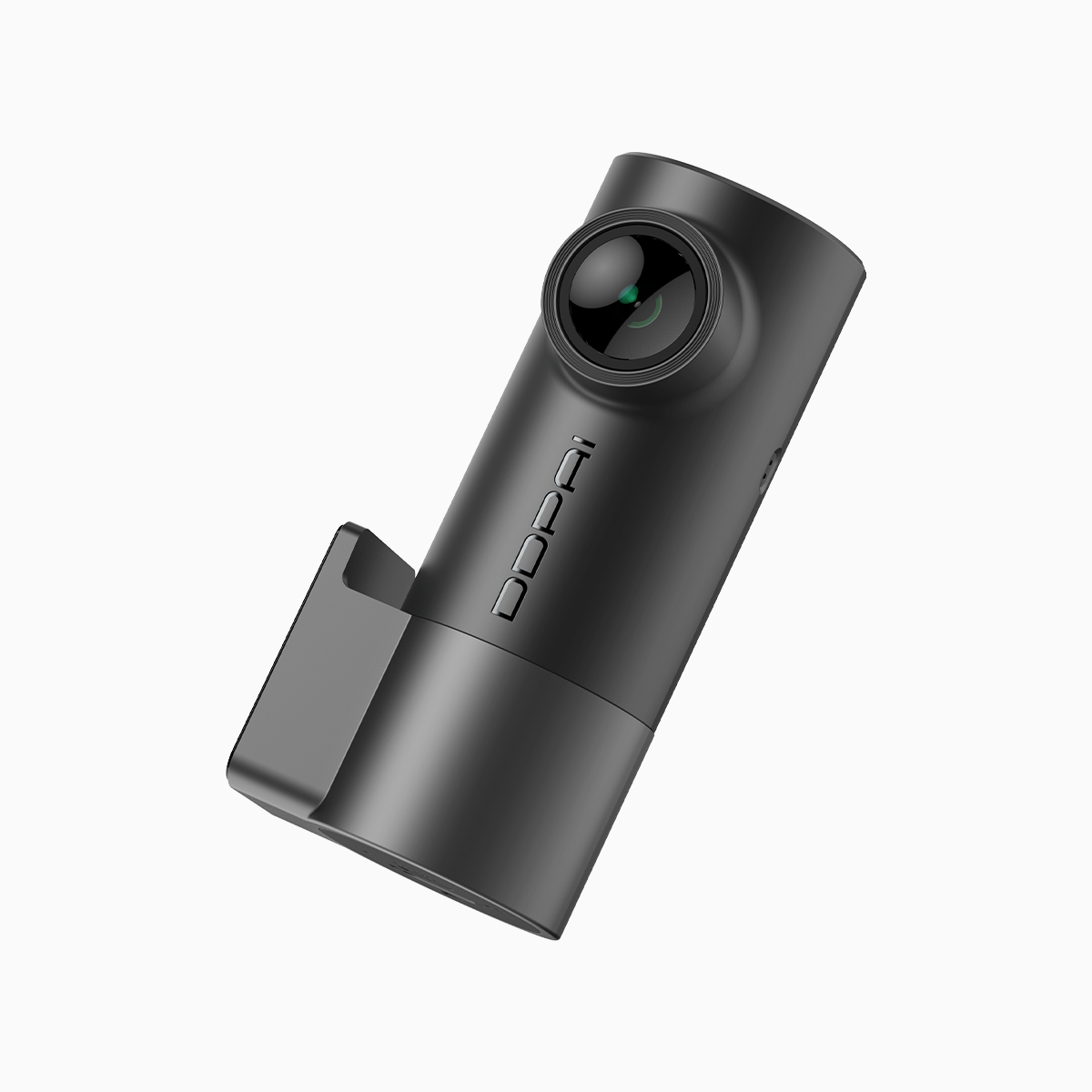
Commercial fleets deploy advanced driver-assistance systems (ADAS) to reduce collisions and protect assets, yet fleets commonly report two recurrent faults: lane departure warnings either trigger incessantly in urban corridors, or they fail to register genuine departures; proximity alerts either flood drivers with false alarms in slow traffic or do not warn in time during sudden braking. In practical terms, these failures erode trust in safety systems and produce excessive incident logs. Fleet managers in congested corridors such as EDSA in Metro Manila note these patterns during peak hours. For those sourcing equipment locally, resources such as dash cam philippines and independent retailers like dashcam & gadgets ph provide commercial 4G dash cam options, but selection alone will not cure misconfiguration.
Why Adjustments Matter
Manufacturers calibrate ADAS for broad conditions; yet commercial vehicles operate in unique contexts: heavy loads change mounting angle, city lanes lack clear painted lines during monsoon seasons, and slow-moving traffic generates proximity triggers. The central technical factors are camera calibration, G-sensor thresholds, and firmware-driven processing of lane markings and object detection. Each factor influences whether a lane departure warning (LDW) or proximity alert behaves as intended. Ignoring these variables yields high false-positive rates that desensitize drivers to real risk.
Stepwise Procedure to Fine-Tune Systems
Address the problem systematically. Begin with physical installation: confirm mounting height and angle against manufacturer guidelines and use a stable bracket to avoid vibration. Next, perform camera calibration to align image processing with the vehicle’s centerline; this adjusts how the ADAS detects lane boundaries. Then review firmware settings: lower or raise LDW sensitivity incrementally and record the effect during representative drives. Adjust proximity alert distances to reflect typical convoy spacing and stop-and-go conditions.
Log settings and outcomes. Use event recording and telematics integration to capture incidents and correlate alerts with actual maneuvers. Regularly update firmware via over-the-air (OTA) updates to benefit from object-detection improvements. Finally, set G-sensor thresholds for impact reporting separate from lane and proximity logic so collision logging remains reliable without altering ADAS thresholds.
Testing Protocols and Validation
Construct a simple validation route that reproduces common operating conditions: urban arterials, highway segments, and heavy-traffic corridors. Collect baseline footage, then alter one parameter at a time—sensitivity, alert distance, or mounting angle—and compare results. Employ event recording to verify whether alerts coincide with meaningful events. Where available, use integrated telematics to cross-check GPS speed and lane position against camera-derived warnings. This objective evidence prevents guesswork and supports iterative refinement.
Common Errors and Alternatives
Operators often make three errors: adjusting multiple settings simultaneously, neglecting periodic recalibration after maintenance, and equating louder or more frequent alerts with greater safety. Correct these by isolating changes, scheduling calibration after any windshield, bracket, or bumper work, and prioritizing precision over volume. Where camera-based ADAS proves unreliable—for instance, in poorly marked rural roads—consider augmenting with ultrasonic sensors or dedicated radar modules. Those alternatives reduce false negatives but add cost and complexity.
—A simple remark: do not treat ADAS as a substitute for driver oversight. It is a complementary system that requires ongoing upkeep.
Three Golden Rules for Effective Deployment
1. Measure before and after: capture event recordings and telematics logs before making changes and after, so adjustments become evidence-based. 2. Calibrate physically, then tune in software: installation geometry precedes sensitivity editing; poor mount equals wasted settings. 3. Maintain a cadence of updates and rechecks: firmware patches, seasonal recalibrations, and driver feedback must feed a maintenance loop.
For commercial fleets operating under real-world pressures—heavy traffic on Metro Manila arterials, varied weather, and tight delivery windows—these rules convert ADAS from nuisance into reliable guardrails. The pragmatic value of a commercially supported 4G dash cam, when properly tuned and maintained, becomes clear in reduced false alerts and more actionable incident data; this is precisely the operational advantage that DDPAI PH brings into fleet practice. —
