


Comparative opening: Why DiDi matters next to banks and fintechs
The Mexican market has long been split between traditional banks and nimble fintechs. DiDi Finanzas enters that split with a focus on everyday drivers and app-native users, which changes how people think about a simple credit product like a didi card. This is a comparative look: what DiDi does differently, where it fits against bank issuers, and what users actually gain from a ride-hailing company offering a credit card product.
Context and anchor: regulation and real-world signals
Mexico passed the Fintech Law in 2018 to set rules for digital finance. That law made room for non-bank issuers to operate under clearer supervision. In Mexico City and other large urban centers, adoption of app-based services accelerated after 2018, and that local momentum is the real-world anchor for DiDi’s move into credit cards. The result: more competition on pricing, acceptance, and user experience.
Product comparison: features, fees, and user flow
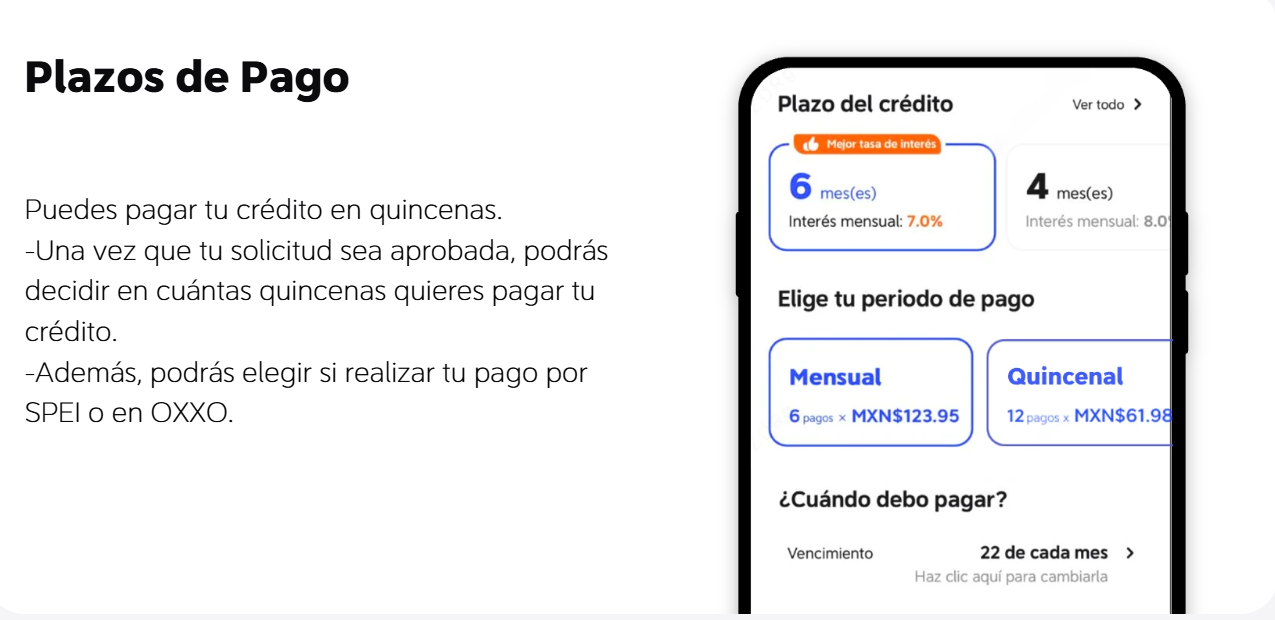
Compare DiDi’s offering to a typical bank card and a payments app card. DiDi tends to bundle app benefits and rewards aimed at riders and drivers. Expect digital wallet compatibility, straightforward interest rate tiers, and an onboarding flow that leans on fast identity checks. The backend relies on APIs for transaction routing and KYC for compliance — standard industry tools, but tuned for speed. That makes the application feel native to the DiDi app rather than a separate banking product.
User experience: what feels different in day-to-day use
Users get a credit card that behaves like part of the mobility app. That means payments integrated into ride receipts, quick in-app limit checks, and notifications linked to trips. Some people appreciate that simplicity. Others may miss deeper perks from legacy issuers, like extensive lounge access or complex rewards networks. Common mistake: applying without checking how merchant acceptance and late-payment policies match personal spending patterns — that can cost more than expected.
Technology and risk: underwriting and platform design
Underwriting for an app-led card depends more on platform data than a single credit bureau score. DiDi can use ride history and account activity as part of risk models, which speeds decisions. That reduces friction but requires careful privacy design. API integration is central here: it connects transaction processing, fraud detection, and the issuer’s ledger. The trade-off is clarity — users must know how data is used and what protections exist.
Alternatives and trade-offs
Traditional banks still win on credit depth and long-term perks. Payment apps often compete on low upfront fees and cashback. DiDi’s angle is convenience and targeted rewards for mobility use. If you travel a lot or want broad rewards, a bank card may be better. If most spending is local and tied to rides, on-demand credit in the DiDi app can be efficient — but read terms closely.
Practical tips and common pitfalls
Start with three simple checks before you apply via the app: check the effective annual interest, confirm minimum payment rules, and verify merchant acceptance outside the app. Also review how charge disputes are handled — an app-centric issuer may route disputes differently than a bank. Small note — keep a backup payment method if the app goes offline; it happens.
Three golden rules when evaluating DiDi’s card and similar products
1) Compare total cost, not headline perks. Look at fees, interest, and late charges across a year.
2) Match benefits to behavior. If you spend mostly on mobility and local services, prioritize in-app rewards and acceptance.
3) Check data and dispute terms. Ensure KYC, privacy, and dispute resolution meet your expectations before you finalize an application — consider using the didi card solicitar flow only after that check.
These metrics guide a clear choice and show what a practical user should expect from a DiDi-led credit card.
DiDi Finanzas feels like a sensible solution for people who live inside the app’s ecosystem — it simplifies payments and ties credit to daily routines. – Practical, focused, and built for the moment.
