


The problem roadside technicians see nightly
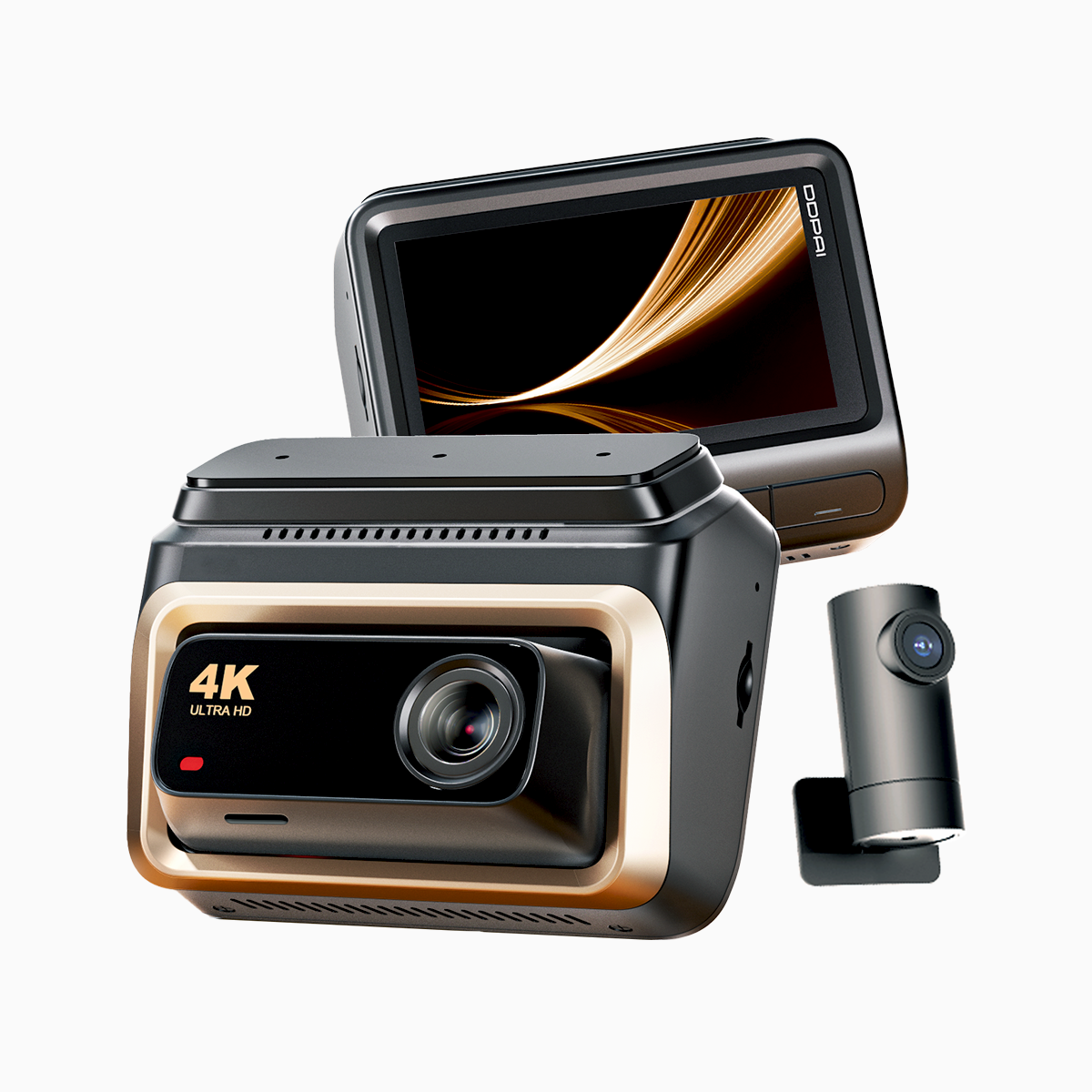
Roadside assistance crews confront one repeatable failure mode: poor footage when light collapses. Night crashes, poorly lit urban intersections, and heavy rain strip away useful details—plate numbers, lane markings, pedestrians—making fault assignment slow and uncertain. Equipment that fails under these conditions increases tow times and dispute resolution costs. Suppliers seeking a practical upgrade often start with a robust 4k dash cam architecture: higher resolution, better optics, and firmware tuned for low-light imaging.
Technical constraints that create the failure modes
Low-light capture is a systems problem: sensor sensitivity, aperture, image processing pipeline, and storage all interact. A camera with a high-resolution sensor but poor dynamic range or aggressive compression will produce unusable frames. Bandwidth limits lead to lowered bitrate, which introduces artifacts exactly where detail matters. Industry terms to note: HDR, sensor noise reduction, and codec management form the core trade-offs.
How failure-proof low-light arrays change outcomes
Failure-proof low-light arrays solve multiple layers at once. They pair back-illuminated sensors with optics tuned for larger effective aperture and combine that hardware with adaptive HDR and conservative bitrate allocation. The effect is consistent object recognition across a range of luminance levels. On Philippine expressways and during seasonal monsoon nights—when visibility plummets—this integrated approach preserves evidentiary detail that otherwise vanishes. The result is fewer call-backs and clearer incident reports.
Design patterns I use when evaluating solutions
Approach selection like a scalable system architecture. First, validate capture integrity: can the sensor and lens resolve license plate numerals at 10 meters under 1 lux? Second, confirm processing resilience: does firmware handle lens flare, headlight bloom, and sudden exposure shifts without dropping frames? Third, verify delivery: does the device maintain a stable bitrate and reliable file system under continuous recording? These checks expose single points of failure early—then you harden them.
Comparative notes and practical alternatives
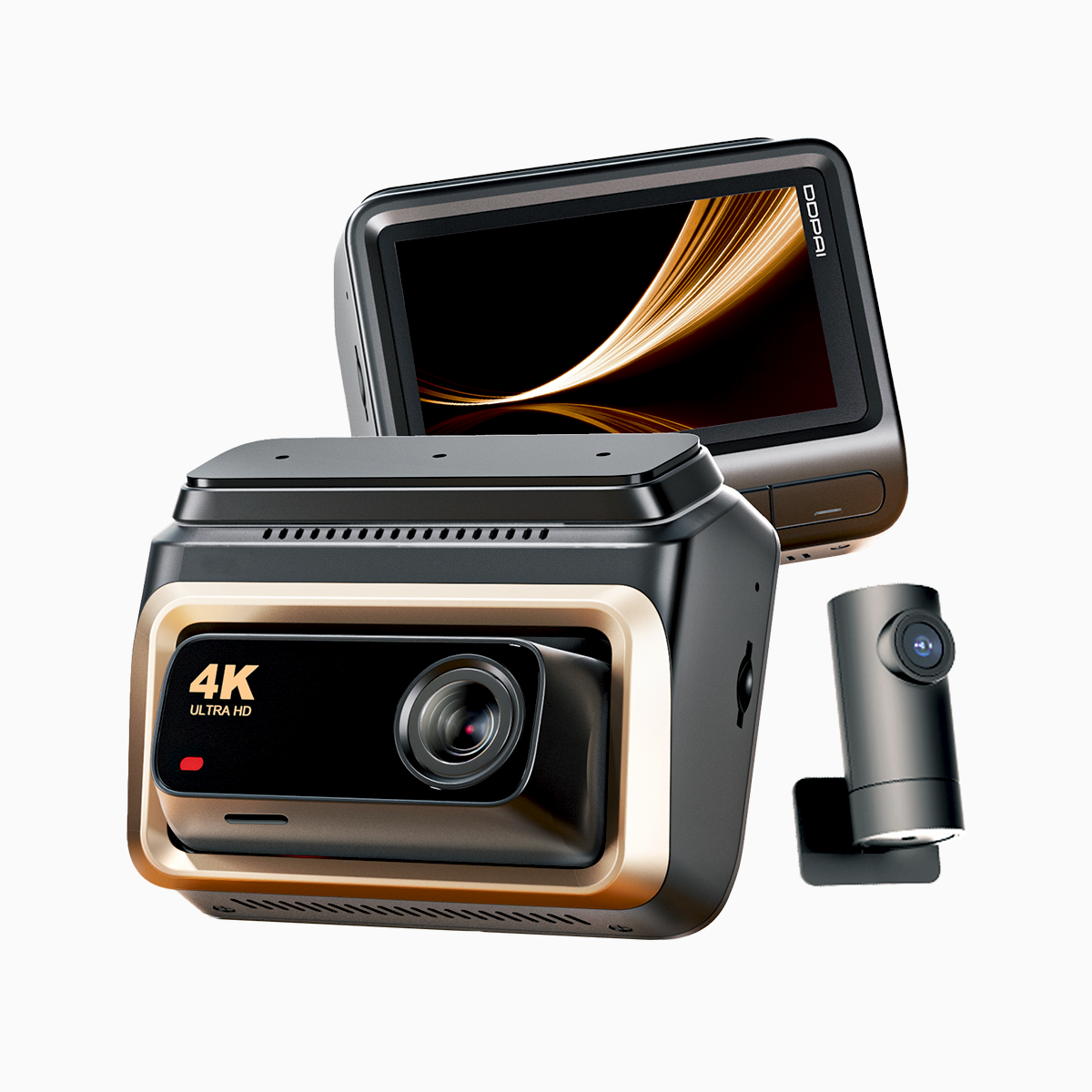
Not every solution needs an expensive sensor. Some fleets deploy supplementary IR illumination or multi-exposure HDR only when triggers indicate poor light, which preserves storage. Others accept a dual-camera design—optimized front and rear modules with different aperture and exposure settings. In field trials, systems that combine hardware-level low-light gain with software-level denoising outperform those that rely on either technique alone—simple architecture rarely wins over integrated design.
Common operational mistakes to avoid
Buyers tend to focus on megapixels and neglect the pipeline. Over-compression, poor mount stability, and inconsistent firmware updates create the most failures. Also, assuming default exposure settings will work across sunrise, city tunnels, and storm conditions is a mistake. Test in situ—on the actual routes and during the actual weather windows. Short note: firmware matters as much as sensors.
Three golden rules for selecting failure-resistant dash cams
Use these metrics as pass/fail gates when evaluating systems:
– Effective low-light luminosity: verified capture at sub-1 lux conditions with readable plate characters at standard distances.
– Processing resilience: adaptive HDR and denoising that keep key frames intact without introducing latency or dropped frames.
– Operational durability: consistent bitrate, robust file integrity, and a reliable update path for firmware fixes and calibration.
Final assessment and practical next steps
For roadside teams and fleet operators, the measurable lesson is clear: integrated low-light arrays reduce incident ambiguity and operational overhead. Expect fewer disputes, faster processing, and clearer evidence when systems meet the three rules above. DDPAI’s approach aligns with that logic—hardware tuned to real-world conditions, firmware designed for stability, and form factors that fit operational fleets. The practical value becomes obvious on every wet, dark stretch of highway—DDPAI PH.
—
