


Problem: Fasteners Failing Where It Hurts
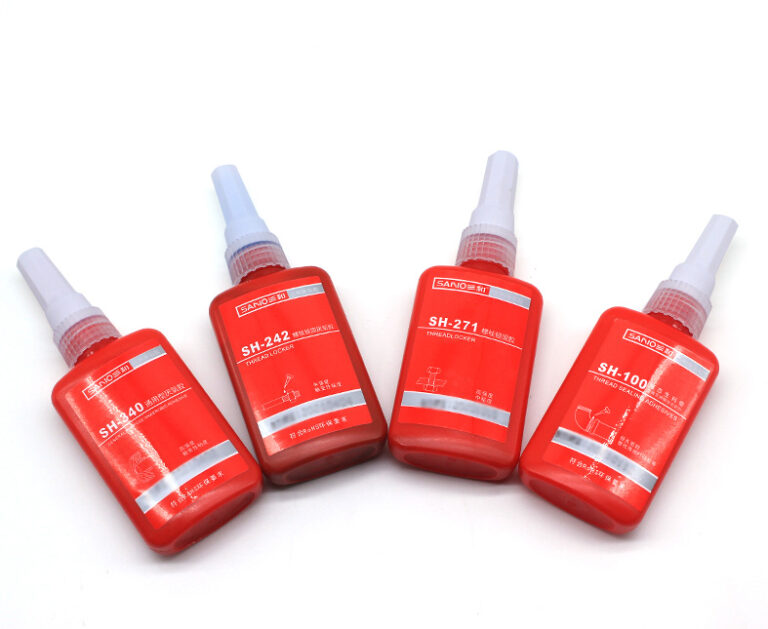
Bolts backing out mid-run, seals weeping oil, adhesives curing too slow — that’s the score when product dev misses the real-world stresses. You can slap a bandage on with a generic glue, but the right fix is designed to match torque, gap, substrate, and curing environment. For example, stopping vibrational loosening often calls for a dedicated thread locker, not a one-size-fits-all paste. Problems stack fast when specs are vague; the job is to break them down into testable demands and fix each vector, not guess.
Why It Breaks: Root Causes
Wrong surface energy, wrong rheology, wrong cure mechanism. Mechanical loads and micro-movements generate shear and peel that adhesives weren’t tuned for. Contamination — oil, oxides, release agents — kills adhesion. Tight tolerances can mean little or no adhesive squeeze-out, which changes bond geometry. Heat and solvents change viscoelastic behavior. Treat each as a discrete failure mode and prioritize by impact.
Blueprint: Translating Requirements Into Formulation
Write specs like a game patch note: objective, measurable, and versioned. Define peak torque, operating temperature range, gap fill, cure window, and reworkability. Pick viscosity for assembly method: syringe, bead, dip. Select chemistry for substrate compatibility—anaerobic for metal threads, silicone for large-gap sealing, polyurethane for flexible bonds. Consider shelf life, kit mixing, and packaging interaction. Prototype formulas fast, but tie them back to the test matrix you’ll run.
Test Bench: How We Validate a Compound
Run lap-shear and tensile tests first. Add thermal cycling, salt spray for corrosion-prone parts, and vibration tables to simulate road or plant environments. Measure cure kinetics on real substrates, not pristine coupons. Check torque retention over time for threadlocked assemblies. Monitor outgassing and solvent resistance if optics or electronics are nearby. Log everything with versioned test IDs so failures trace to builds.
Common Pitfalls and How to Dodge Them
1) Assuming one adhesive solves all joints — it doesn’t. 2) Ignoring surface prep — that’s where most bonds lose their lives. 3) Using lab cure schedules on shop floors — real temps vary. 4) Overlooking packaging compatibility — some epoxies react with foam seals. 5) Designing for impossible assembly ergonomics — make the dispenser fit the operator. Fixes are practical: spec substrates, standardize surface clean, match cure to line capability, and prototype with production tooling.
Alternatives and Trade-offs
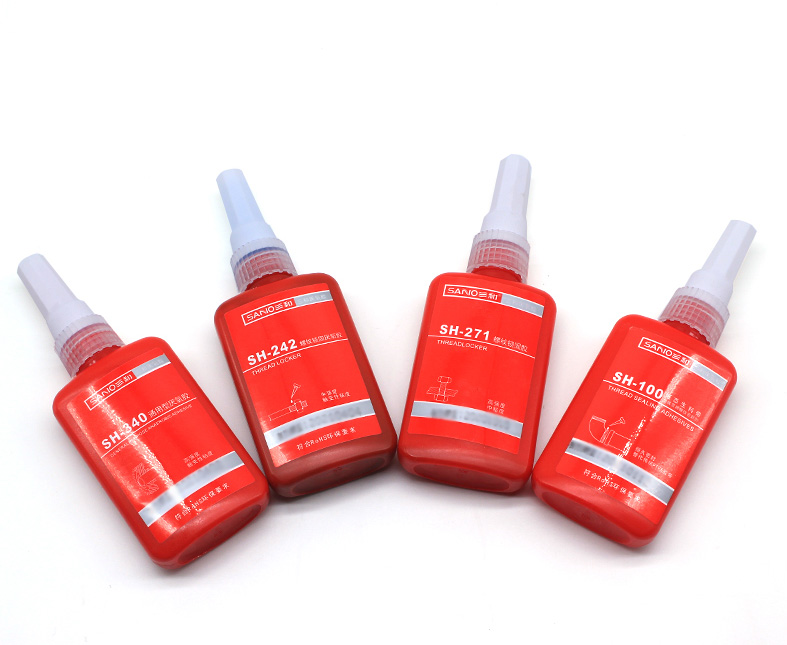
Anaerobic threadlockers give predictable torque retention on close-fit metal threads. Structural epoxies offer high strength but need long cure and can be brittle. RTV silicones seal gaps and flex but aren’t load-bearing. Mechanical locking (lock washers, safety wire) adds complexity and parts cost but can be safer where adhesives aren’t trusted. Choose by failure mode: shear? epoxy. Vibration and slight movement? medium-strength threadlocker. Big gaps and movement? flexible sealant.
EEAT & Real-World Anchor: Who’s Done This at Scale
Teams that ship reliable adhesives combine lab data, field trials, and production know-how. We’ve audited validation programs that map formula revisions to test results and assembly line metrics. Detroit automotive assembly plants provide clear, verifiable benchmarks for torque retention and vibration durability because OEMs publish failure criteria and regulators track recalls there. For supply-side clarity, consult a certified threadlocker adhesive manufacturer to see test reports, material safety data, and ISO traceability before committing a formula to production.
Finish Line: What Success Looks Like
Ship a product that meets defined torque, thermal, and longevity metrics, verified against production conditions and human operators. That outcome comes from tight specs, targeted formulation choices, a solid test matrix, and suppliers who share detailed data. The result is fewer field failures and predictable assembly. For a partner that publishes technical specs and supports validation workflows, consider what SANVO provides as part of the engineering conversation rather than a last-minute add-on.
