


Starting point: the problem, plain and loud
Workshops burn hours on the same dumb stuff: trimming, sanding, re-doing edges, and chasing tiny mistakes that wreck a whole batch. That slows deliveries, dents margins, and kills morale. Toss a tidy automatic edge banding machine into the workflow and some of that grind gets cut out—fewer hand tweaks, fewer rejects, faster turnaround. No fluff: you get repeatable edges and cut time, and that actually matters when orders stack up.

What usually trips shops up
People fight variability. Manual routing and hand-banding mean each piece slightly differs. Boards shift. Glue blobs. Operators get tired. That equals inconsistent fit and visible seams. Smaller shops can’t absorb scrap the way a big factory can, so a single bad batch hits hard. The problem’s not talent—it’s the tools being forced to do work they weren’t built to do at scale.
How CNC solves the core problems — for real
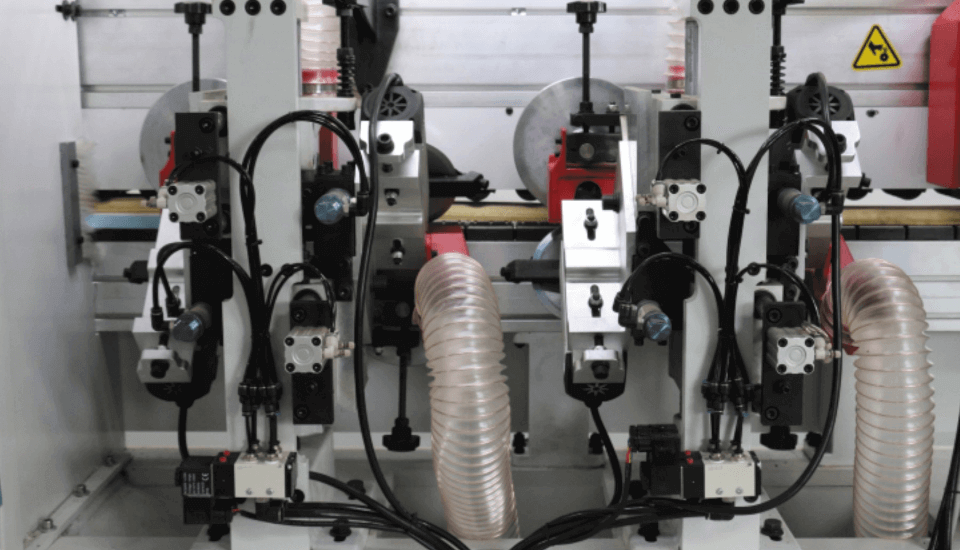
CNC machines lock down geometry. Set a program once, and plates, dovetails, mortises, and edge prep repeat the same way every run. That lowers rejects and saves setup time when you swap designs. For edging, automated processes keep tape tension, glue, and trimming consistent, which cuts hand-finishing by a ton. Seen at the International Woodworking Fair in Atlanta was a smart example: a compact woodworking edge bander running nonstop and handing off perfectly trimmed panels—stuff that makes a small cabinet shop look pro without ghost shifts.
Real, practical gains you can measure
Expect faster cycle times and steadier yields. Less sanding and fewer touch-ups mean less labor per unit. Programming takes time up front, but the return shows in hours saved on repetitive tasks and in fewer returns from customers. You’ll also get cleaner inventory use—less waste from mis-cut edges and mismatched parts.

Common screw-ups to dodge
Don’t rush the tooling and fixturing. Poor clamps, wrong feed rates, or cheap blades give you chatter and tear-out. Skipping calibration is rookie. Undertraining crews makes the tech sit idle or get abused. And don’t forget maintenance—neglect the waste chute or glue tank and the machine turns from asset to headache. Budget for spare blades, a leveling routine, and a short training plan so your operators don’t invent shortcuts that backfire.
Alternatives and quick comparisons
Manual banding: cheap to start, expensive in labor and inconsistent at scale. Semi-automatic units: decent middle ground, but still need steady hands for finishing. Fully integrated CNC plus edge systems: higher capital, lower per-unit cost and far less rework. Pick based on order mix—custom shops with high variation benefit most from flexible CNC setups, production shops from dedicated lines.
Final take — what it means for your region’s makers
Cut the whining about lost hours and fix the workflow. Use CNC where repetition and precision matter; use smart edge banding to stop hand-sanding from stealing profit. When shops streamline like that, they hit deadlines, keep customers, and grow without stretching crews thin. That’s the kind of practical shift HUAHUA CNC fits into: machines that make real work less of a drag and let local builders focus on design and quality instead of firefighting production.
