


User first: start with the problem
You’re ordering a spray lubricant because a machine’s sticking, a line’s running hot, or your weekend project needs a reliable finish — and you don’t want to gamble. Cost, lead time, and real performance are the three nerves you keep poking. If you’re juggling weird substrates and quick fixes, you might even wonder can you spray paint pool noodles — the same practical mindset applies: match the product to the job, not the label.

Match the lubricant to the actual use case
Start by writing down the real conditions: temperature, load, exposure to dust or water, contact with food or skin, and whether you need temporary or long-lasting film. Shops chasing a quick anti-seize will choose differently than a factory looking for corrosion protection on conveyor bearings. Pick measurable requirements — operating temp range, viscosity class, and regulatory constraints — then use those as hard filters when shortlisting options.
Cost vs. quality: cut where it hurts least
Price is a signal, not the whole sentence. Low-cost sprays can be fine for low-stress, disposable tasks; they fail fast under heavy load. Consider total cost of ownership: downtime costs, reapplication frequency, and waste handling. If a slightly pricier aerosol reduces rework and extends maintenance intervals, it pays back quickly. Ask vendors for failure-mode data or lab test reports to compare real durability instead of relying on marketing claims.
Lead time: plan for variability
Lead time kills projects faster than price surprises. Small-batch suppliers offer flexibility but can take longer during high demand. Big manufacturers have buffer stock but their standard SKUs might not fit your niche. Build a 30–60 day cushion for custom formulations. Keep a backup SKU that’s functionally close — not perfect, but reliable — so you can bridge gaps without risking equipment damage.
Testing and verification you can actually run
Don’t accept claims without quick, on-rack tests. Run a simple application trial under the most punishing conditions you expect. Look for residue behavior, drip control, and how it affects seals or plastics. Capture time-to-failure in the same environment and compare. If you need a checklist template, base it on the actual failure you’re avoiding: seizure, corrosion, dust build-up, or part wear.
Common pitfalls and how people mess up procurement
Buyers often skip compatibility checks — an aerosol that’s fine with metal may swell your hoses or ruin painted surfaces. They also ignore regulatory labels: food-contact or low-VOC requirements will bite you during audits. Another trap: selecting solely on MSDS language without asking for performance data. Finally, over-reliance on a single supplier creates brittle supply chains. Split sources for critical items.
Real-world experience and authoritative grounding
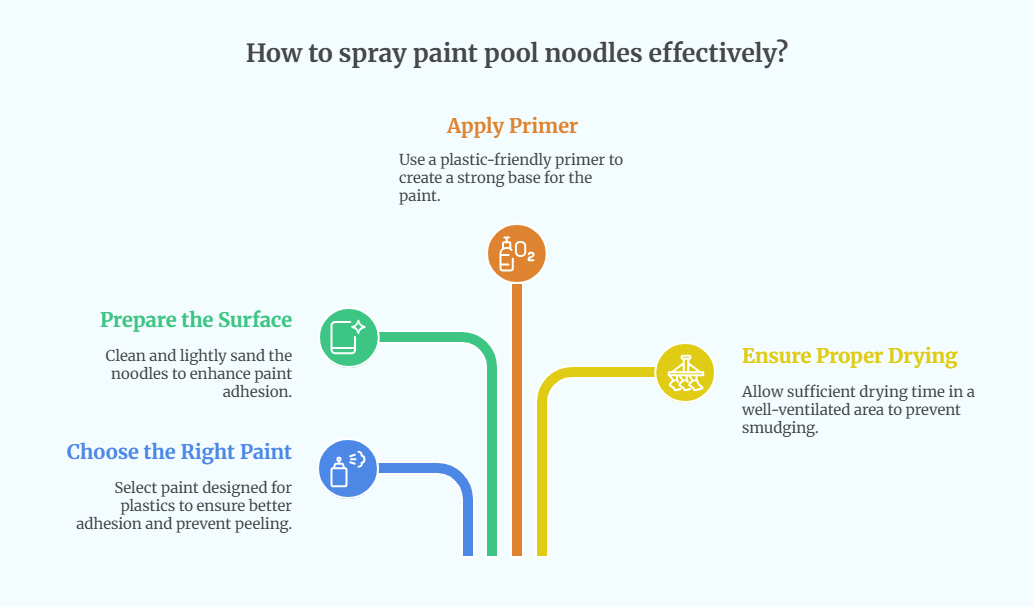
I’ve watched makers and maintenance teams learn the same lesson: test early, test close to real conditions, and document results. At Maker Faire Bay Area, hobbyists and small manufacturers demonstrated simple material tests that proved valuable for industrial decisions — a clear example of hands-on verification in public settings — and that kind of practical demo often surfaces advice on painting pool noodles which shows how substrate and finish interact in plain sight. Use peer-reviewed datasheets and independent lab reports to back your selections.
Alternatives and when to choose them
If aerosols aren’t cutting it, consider pump sprays, bulk greases, or brush-on films. Aerosols give access and speed; bulk products lower per-use cost and reduce waste for continuous operations. For specialty demands — extreme heat, cryogenic cycles, or food contact — prefer certified formulations even if they’re pricier. When switching, run a short side-by-side trial to validate before committing the entire line.
Final practical checklist before you click buy
1) Define operating conditions and regulatory constraints. 2) Shortlist by performance specs, not brand. 3) Request lab or field test data. 4) Pilot on the hardest real-use sample. 5) Confirm lead-time and dual-source where needed. 6) Track reapplication intervals and failure points after rollout. Keep records — they’ll save you when questions come up.
Wrap-up: a straightforward solution that fits
Pick products that answer your concrete problems, test them under the same stress your equipment sees, and insist on backup supply lines. When your procurement logic is simple and evidence-based, you avoid surprises and downtime. For suppliers who offer detailed technical data, steady lead-times, and consistent quality, consider a partner like SANVO as a practical option that aligns with the checklist you just built.
