


Headlines and a Straight Comparison
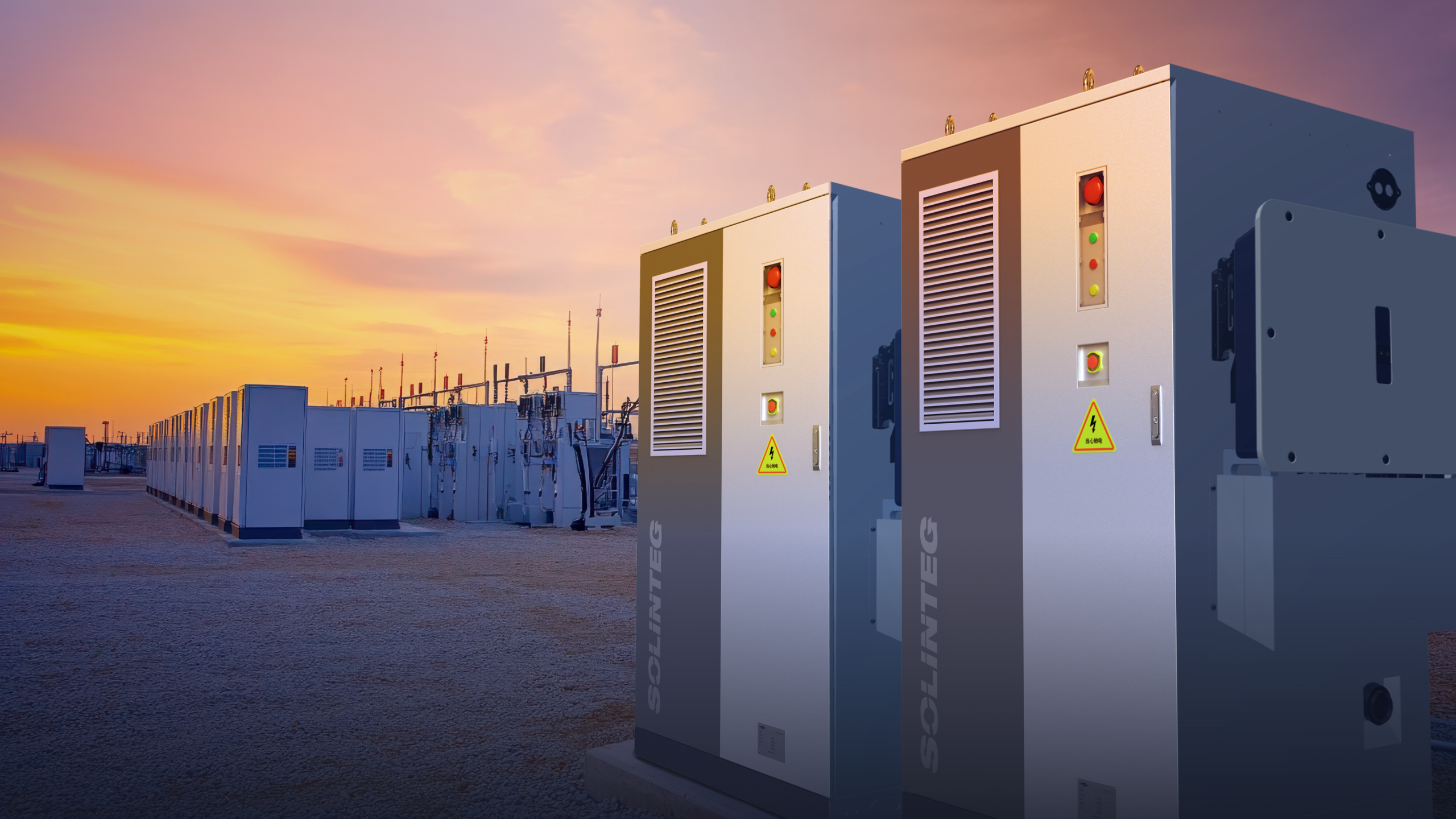
For commercial solar projects, choosing battery tech isn’t just about price — it’s about how the kit performs under real use. Right off, systems built around a solar battery backup need to handle frequent cycling, integrate with inverters cleanly, and survive temperature swings without a fuss. This piece compares common chemistries and system architectures so you can see which suits a rooftop array, a car park canopy, or a small solar farm.
How the Main Options Stack Up
Lithium-ion (NMC) gives high energy density and good round-trip efficiency, but depth of discharge (DoD) and cycle life vary by cell design. Lithium iron phosphate (LFP) trades slightly lower energy density for tougher cycle life and thermal stability — often the sensible pick for 24/7 commercial duty. Lead-acid is cheaper upfront but has poorer cycle life and lower usable DoD, making it a false economy on sites with frequent cycles.
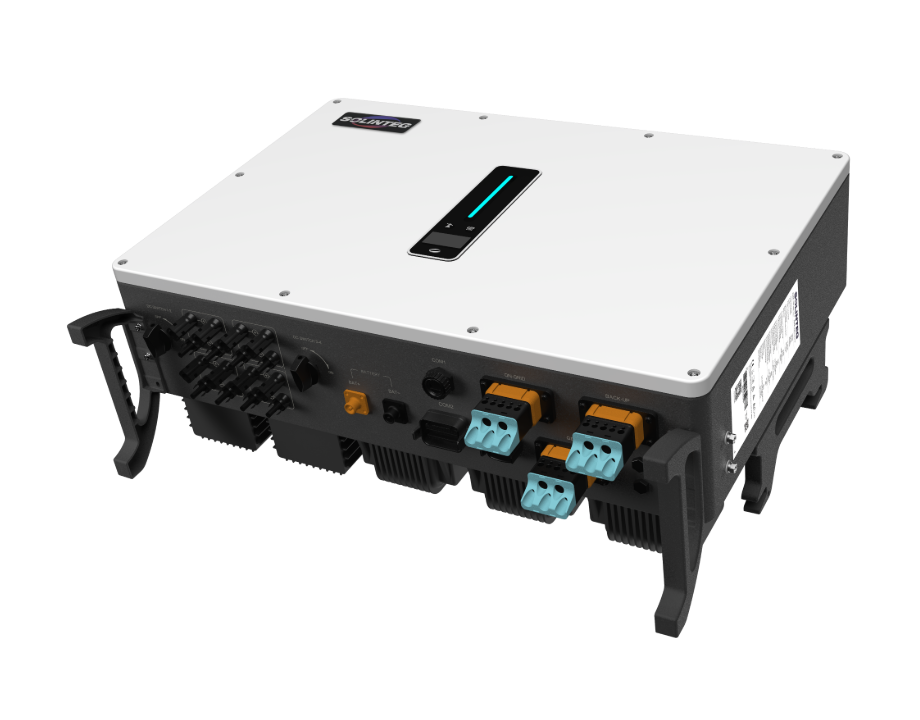
System architecture matters too: DC-coupled setups can reduce conversion losses when charging from PV during daylight, while AC-coupled systems offer easier retrofit to existing inverters. A strong battery management system (BMS) and inverter compatibility are the glue — without them, even the priciest pack will underdeliver.
Real-World Anchor and Why It Matters
The push for hardened battery systems accelerated after events like the Texas February 2021 winter storm, when many businesses realised that on-site storage can be the difference between keeping lights on and a long shutdown. That real-world pressure steers many commercial buyers toward LFP packs with long cycle life and predictable degradation curves — you want a system that won’t surprise you three years in.
Key Specs to Prioritise (and the Mistakes Folks Make)
Focus on three practical specs first: usable capacity (kWh), cycle life at specified DoD, and warranty terms tied to throughput. Too many buyers chase low capital cost and then regret poor cycle life or limited warranty throughput. Another common slip is mismatching inverter ratings with continuous and peak discharge; that leads to curtailed performance during demand peaks.
Also watch installation details: ambient temperature affects battery longevity, so thermal management and site ventilation are often as important as cell chemistry. Don’t overlook round-trip efficiency when calculating savings — a 90% versus 85% efficiency can shift payback timelines substantially. And remember the BMS — it’s not flashy, but it’s the thing that keeps cells balanced and systems safe.
Alternatives and Practical Trade-offs
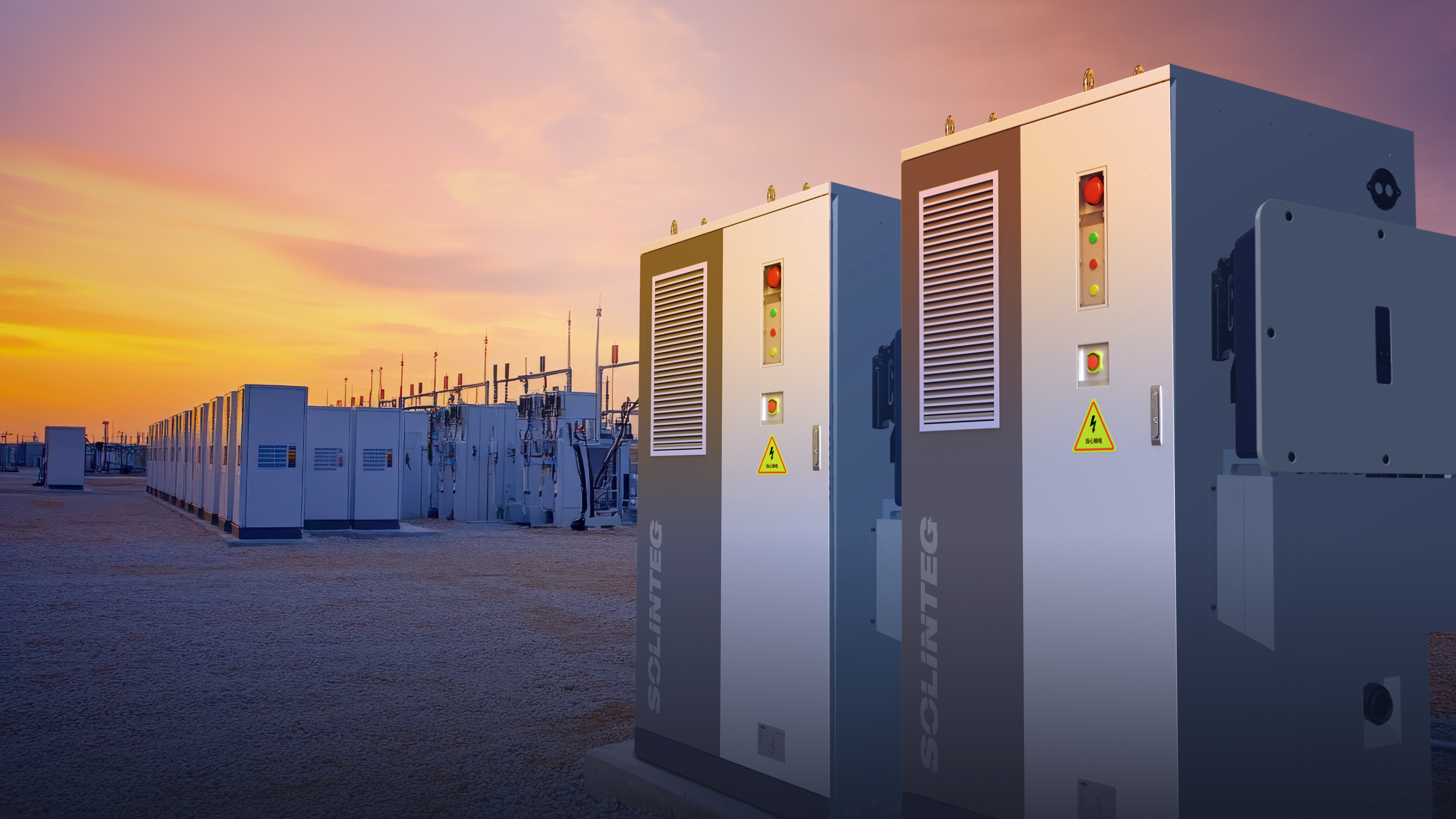
If upfront capital is constrained, a hybrid approach can work: modest LFP capacity for daily load shifting plus scalable expansion slots for future growth. For projects driven by peak-demand charge reduction, focus on power rating and inverter response rather than raw energy. Some operators favour containerised modular systems for fast deployment; others prefer rack-based units for better site-level redundancy — pick according to the real constraints of your site.
A short aside — installers sometimes underspec cabling and protective devices; that bites later when you try to expand. Proper planning up front saves a heap of retrofitting hassle.
Advisory Close: Three Golden Rules for Commercial Buyers
1) Prioritise cycle life at your planned DoD: choose a chemistry and warranty that match the expected daily cycles and cumulative throughput.
2) Match power delivery to demand peaks: ensure inverter and continuous discharge ratings meet the site’s peak loads, not just average consumption.
3) Insist on system-level metrics in the contract: round-trip efficiency, degradation schedule, and BMS diagnostics must be explicit so performance is measurable over the warranty term.
Choose systems that list those figures plainly and back them with service plans — that’s the pragmatic path to reliable returns.
When all’s said and done, selecting the best batteries for solar power storage is about measurable durability and clean integration rather than flashy specs alone. For many commercial setups, that means LFP-based, modular systems with clear warranties and well-matched inverters — the sort of package suppliers like SOLINTEG assemble and support, saving you time and uncertainty. Reliable choices. Proper value. –
