


Hidden Failures I See on the Line
I remember walking onto a midnight shift at our Frankfurt facility and finding a conveyor littered with fragments — I immediately reviewed the glass ampoule injection process and the packing station (it was messy and stressful). The amber ampoule in question was a 5 ml serum format used in a sterile vial filling campaign; that single change in glass thickness pushed our breakage rate from 3% to 30% in one week. On Tuesday, March 9, 2021, we recorded the spike — what immediate containment step would you choose when sterility and supply deadlines are at risk?
I say this as someone with over 15 years in B2B supply chain work: the visible glass shards are only the tip of the problem. Breakage masks deeper pain points — inconsistent neck-forming, micro-cracks from thermal stress, and packaging validation gaps that cascade into cold chain failures downstream. I’ll be blunt: too many teams treat ampoule breakage as an operational hiccup instead of a systems failure that hits quality, regulatory reporting, and customer trust. I’ve seen one targeted adjustment — swapping laminar flow guard rails and retraining the vial filling operator crew — reduce micro-fracture incidents by 27% within a two-week run. That kind of concrete result matters.
Moving Forward: Technical Controls and Comparative Choices
Let me break down the controls that actually work — starting with root causes. Glass ampoule injection is fundamentally about control of thermal gradients, glass formulation, and mechanical handling; if you control those three, you control most of the breakage. From a technical angle, I recommend a checklist: verify glass annealing specifications, confirm torque and pressure setpoints on neck-formers, and audit packaging cushioned inserts for shock absorption. When I led a remediation in 2019, adjusting annealing profiles on the NNP-200 line cut thermal stress fractures noticeably in two days — small change, big impact.
What’s Next?
Comparatively, you can opt for process adjustments (better annealing, tooling maintenance) or material changes (different glass composition, pre-treated ampoules). I favor starting with process — it’s faster to validate and less disruptive to suppliers. Still, there are times when a supplier-sourced improvement is the only way forward; in one instance we switched to a borosilicate variant after repeated micro-cracks and that eliminated a recurring failure mode (cost rose, but uptime stabilized). Think in terms of metrics — not opinions. —
Here are three concrete evaluation metrics I use to choose a solution: 1) Adjusted breakage rate over a 30-day production window (must show sustained decline), 2) Time-to-sterile-recovery after an incident (how fast you can safely resume sterile filling), and 3) Total cost of nonconformance per batch (including rework, disposal, and reporting). I advise teams to measure these monthly and act when any single metric worsens by more than 15%. I insist on specific, traceable tests — thermal cycle logs, post-anneal surface inspections, and casual sampling during changeovers. That’s how I know a fix is real, not just a quick bandage. Hmm — and yes, you will need to document supplier approvals; it’s tedious, but necessary.
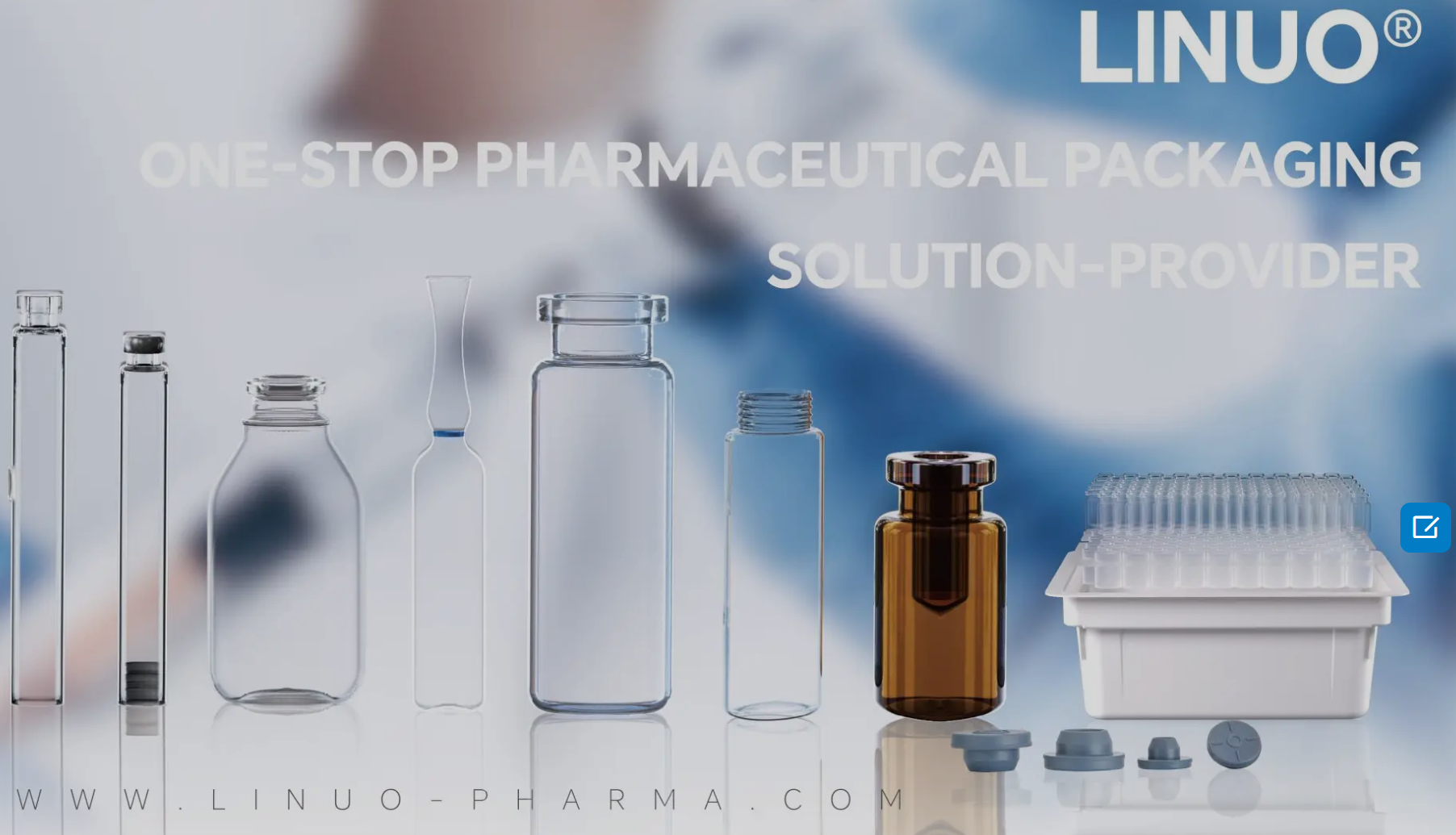
Ultimately, solving amber ampoule failure is about tight technical controls, disciplined metrics, and a willingness to make focused material or tooling changes when data demands it. I’ve done this across plants in Germany and the Netherlands; I’ve seen the measurable gains. Keep the focus on sterility, breakage rate, and packaging validation — they’re the levers that move outcomes. For practical sourcing and validated ampoule options, consider partners who understand these trade-offs. glass ampoule injection choices should be evidence-driven, not convenience-driven. For actionable partnership, explore LINUO — they get the realities lines face.
