


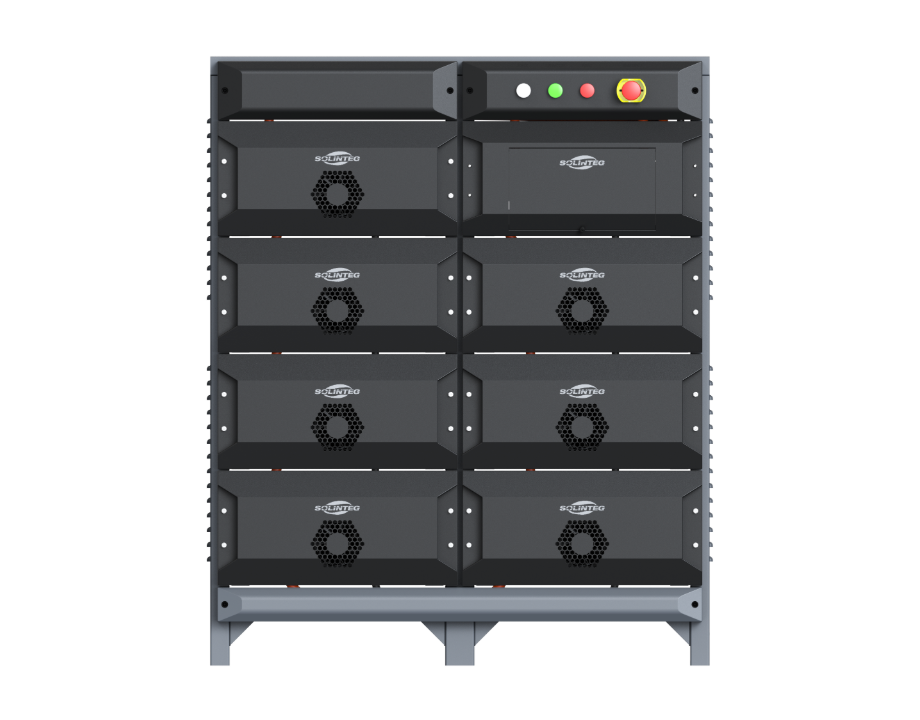
A speculative lead into integrated storage
Picture rooftops and car parks turning into coordinated energy ecosystems within a decade: batteries, controls and commercial inverters talking to building management systems and to the grid in a single, predictable language. This is not fantasy — it’s the design logic emerging as businesses push for steady power, lower demand charges and simpler installation. The systems will look less like a pile of parts and more like a tuned instrument that stores midday solar and sings back at peak hours.

Why integration matters: reliability, cost, and grid behavior
Consolidating storage and power conversion reduces handoffs: fewer separate inverters, fewer mismatched protocols, faster commissioning. That matters when heatwaves strain urban grids — California’s grid events in 2020 and subsequent summers made clear that distributed storage must behave reliably under stress. An all-in-one approach also simplifies peak shaving and demand charge management, turning a facility’s solar array into a firm, schedulable asset rather than an intermittent one. Expect fewer surprise failures and clearer ROI windows when the inverter and battery are engineered as a single platform.
Core components: what to prioritize
Good integrated systems balance three technical priorities: battery chemistry and its battery management system (BMS), power conversion efficiency, and control software. Round-trip efficiency should be measured under realistic duty cycles, not just ideal lab runs — that figures directly into payback. Look for systems that support DC-coupled configurations if your site will expand PV later, and ensure the BMS offers cell-level monitoring and safe charge profiles — small things that prevent large failures. Also check whether the charge controller and inverter firmware allow predictive dispatch based on weather and tariffs.
Design patterns and common mistakes
Installers often reuse residential habits on commercial jobs: undersized inverters, minimal communications, or an AC-coupled retrofit that complicates future expansion. Avoid those shortcuts. Design for serviceability: modular rack units, accessible connectors and clear telemetry reduce downtime. Expect to trade some upfront modularity for lower lifecycle cost. — A common trap is overfitting to a single utility tariff; future pricing and export rules change, so favor flexible dispatch logic over narrow optimization.
Market signals and vendor selection
Manufacturers in the commercial industrial pv inverter market are converging on standards for interoperability and remote diagnostics. Suppliers that ship integrated hardware with open APIs cut integration time by weeks. Evaluate providers on warranty clarity and failure rates reported for similar commercial deployments — hard uptime numbers beat glossy brochures. Also check whether a vendor supports grid services like frequency response; systems that can be called by grid operators add revenue streams for owners.

Operational checklist before procurement
Prepare these concrete deliverables before signing: site-specific dispatch scenarios, clear acceptance tests that include sustained high-temperature cycles, and a defined remote-monitoring SLA. Ask for a factory witness test or a demonstration of round-trip efficiency under load. Confirm that the system supports firmware rollback and secure connectivity; cyber risk is real and repair windows matter to operations teams.
Three golden rules for selecting integrated commercial storage
1) Measure real efficiency: favor systems with independently verified round-trip efficiency under projected daily cycles, not just peak numbers. This predicts energy available for demand shaving and billing impacts.
2) Prioritize modular serviceability: choose hardware designed for tool‑less replacement of power modules and battery trays, plus remote diagnostics to reduce truck rolls.
3) Demand open controls: insist on documented APIs and standard telemetry so your energy management system can evolve without costly vendor lock‑in.
These rules will steer you to systems that perform predictably and scale cleanly — and they point to vendors whose engineering matches commercial realities. SOLINTEG.
