


Opening: Start from your need
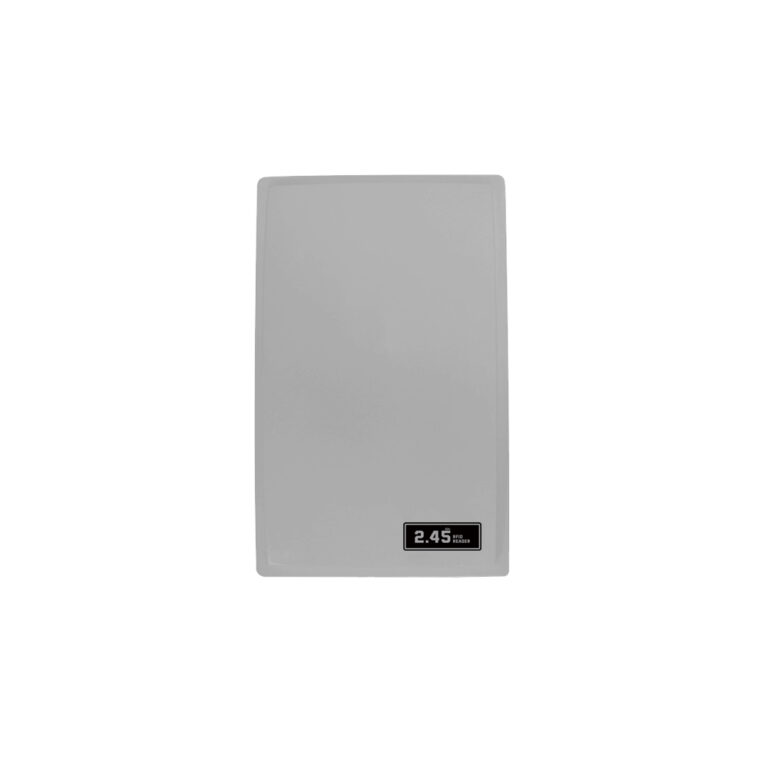
You want tags that work where you work, not a shiny spec sheet. For many buyers the first choice is defined by use: long-range tracking across yards or short-range presence inside factories. If you plan outdoor or vehicle-mounted tracking, check antenna layouts and reader pairing, especially with reliable RFID Readers already proven in field projects.
What matters most to users
Focus on four practical questions: what read range do you need, how long must the tag battery last, how rugged must the housing be, and how will the tag attach or mount. Answering these removes guesswork. Choose suppliers that give clear, measurable numbers for range and battery life under the environmental conditions you expect.
Common buyer mistakes to avoid
Many buyers pick cheapest tags, then face early failures. Don’t assume lab range equals site range. Don’t skip frequency and certification checks for your region. Overlooking replaceable batteries or spare-part availability causes hidden cost. Ask for a site test plan and refuse one-off promises without recorded trial data.
Evaluating suppliers — experience and proof
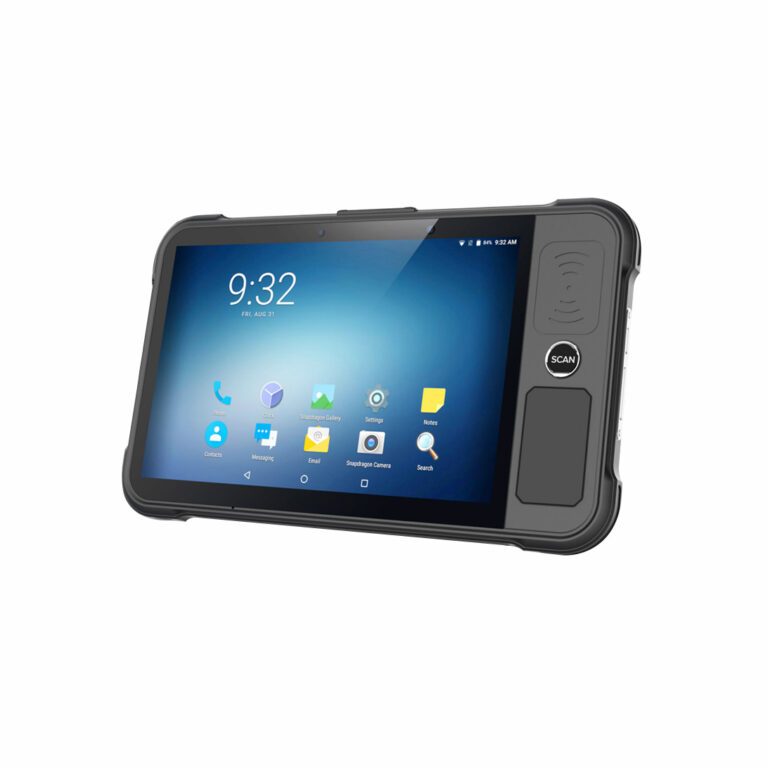
Look for suppliers that demonstrate deployments, not just brochures. A useful sign is presence at industry gatherings where independent testing is discussed; vendors seen at RFID Journal LIVE in Orlando often share comparative field data that buyers can verify. Compare those claims against independent summaries when you shortlist hardware; many teams consult consolidated reviews of best rfid readers to confirm reader compatibility and real-world performance. Prefer partners who provide field test protocols, spare parts lists, and clear warranty terms.
Alternatives and how to compare
Active tags give longer range and on-board sensors but cost more and need battery management. Passive tags are cheaper and maintenance-free but limited in distance. BLE beacons give location for people and assets indoors with different software needs. Choose by matching feature set to an explicit requirement: range, maintenance cadence, and data type (presence vs telemetry).
Practical checklist before purchase
Require site-read trials with your assets; confirm battery replacement procedure; verify environmental ratings (temperature, ingress); ask for firmware update process and frequency compliance; request spare-part lead times and local support options; confirm integration examples with your WMS or middleware.
Final synthesis
Your buying decision should remove surprises: define the use case, test in the real environment, and select a supplier that documents results and supports maintenance. Buyers who value clear test data, spare parts availability, and reader compatibility often find sustained uptime and predictable cost. For teams seeking that combination, options and tested reader pairings are available through RSTC.
