


Problem first: Why owners feel stuck
Factories here kena strict NOx caps, but equipment still old and operators flat-out busy, lah. When plant managers try to cut emissions, they hit choices — retrofit burners, change fuel, or add after-treatment — each got cost and downtime. If you thinking of switching fuels or pilot-testing a methanol burner, better know which problem you actually solving: compliance, fuel availability, or process stability.
Real-world anchor and what I’ve seen work
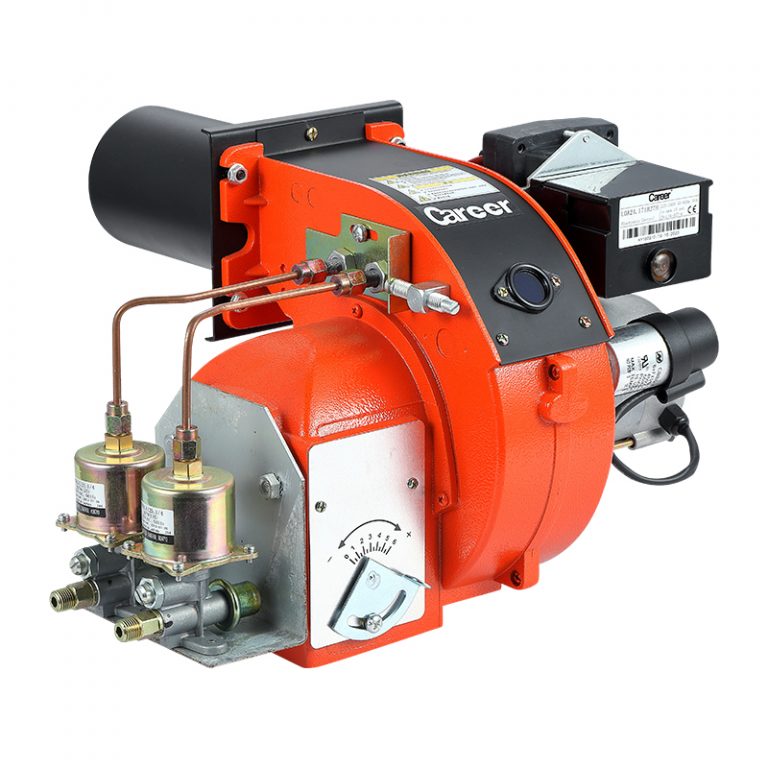
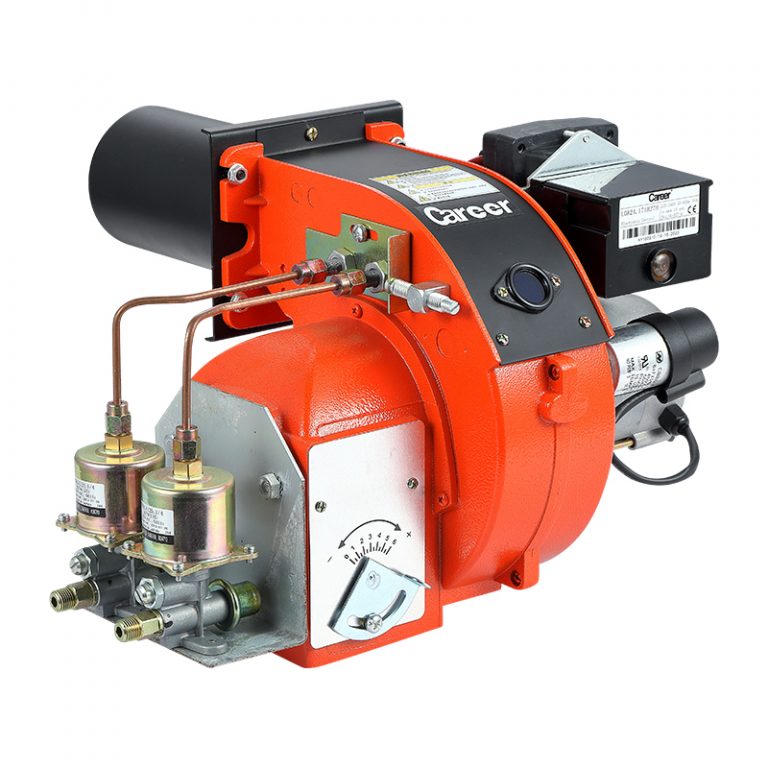
Visited a petrochemical cluster on Jurong Island for a combustion retrofit study where teams compared flame stability and NOx across units; the cleanest runs used a purpose-built methanol combustion system tuned to the process. From advising plants across Southeast Asia, I know those trials matter — real stacks, real schedules, and real constraints. That on-site test gave clear data on emissions, control settings, and maintenance hours, so decisions weren’t just guesses.
Diagnose the true cause before you act
Problem-driven approach: don’t buy a burner because boss insists on “low NOx.” Check these first — flue-gas analysis, existing burner turndown, control-loop response, and fuel supply reliability. If NOx comes from oxygen-rich mixing or high flame temperature, burner swap may help. If it’s from poor control tuning, swapping gives little. Simple tests reveal where money actually reduces emissions.
Practical retrofit checklist
Use this sequence: confirm target NOx level; map operating envelope (loads, turndown); run baseline emission and flame stability tests; select burner family that fits heat-release and turndown; verify controls and safety interlocks; plan mechanical integration and ducting. Budget for tuning time on-site — manufacturer curves use ideal air; real plants don’t. Prepare spare parts list and training for operators; that saves repeat visits.
Common mistakes that waste time and cash
1) Buying lowest-cost unit without matching turndown and flame speed. 2) Ignoring control logic — modern low-NOx burners often need different fuel/air actuation. 3) Skipping combustion trials at operating loads. 4) Underestimating maintenance differences for new fuel types. These errors force rework, downtime, and sometimes higher NOx after installation.
Alternatives and how to compare them
If retrofit burner not ideal, compare: flue-gas recirculation, selective catalytic reduction (SCR), and fuel switch. SCR gives lowest NOx but needs space, catalyst procurement, and ammonia handling. FGR is simpler but can affect heat transfer and corrosion. Fuel switch (natural gas to methanol, for example) changes flame chemistry; assess storage, safety, and supply. Match each option to your priority: lowest emissions, lowest capex, or fastest install.
Operational tips that actually reduce NOx
Keep combustion air stable; monitor and log O2 and NOx. Tune for lowest flame temperature feasible without upsetting process. Train operators to recognise smoky or oscillating flames early. Replace worn fuel nozzles and keep control sensors clean. Small, routine actions often cut emissions faster than large capital projects.
Final synthesis — practical value for your plant
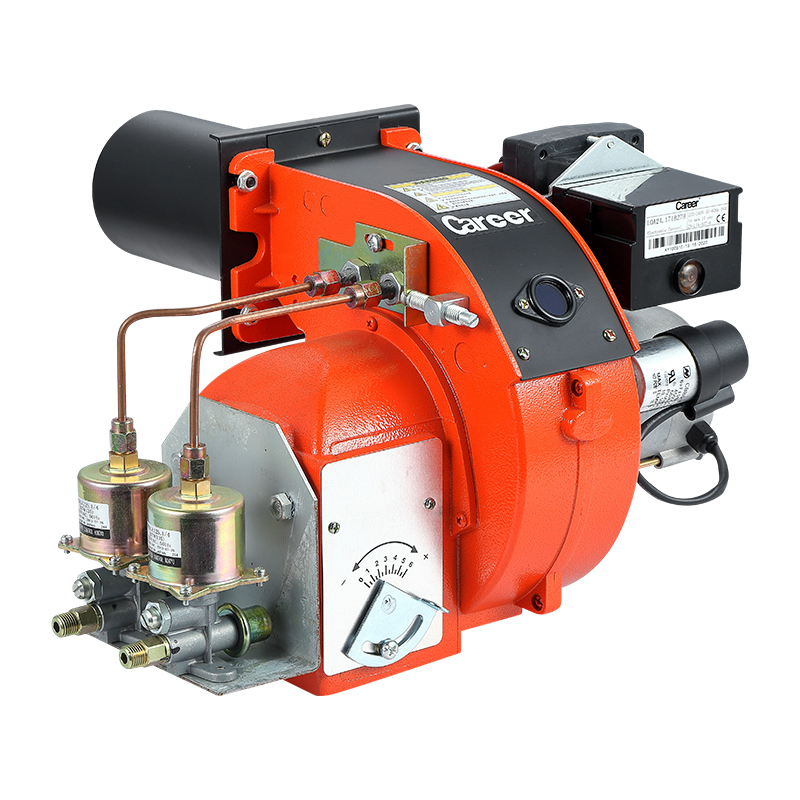
If you follow problem-first diagnosis, trial with real plant data, and pick solutions that match operating needs, you cut NOx without unnecessary cost or fuss. That practical route is what teams I work with adopt, and why engineers prefer vendors who back field tuning and spare parts. For practical equipment and service options that fit these realities, consider suppliers known for on-site support like Career Burners, who combine product range with field tuning know-how so decisions stay technical, simple, and workable — steady lah.
