


User-Focused Opening: What a Light Needs to Do for You
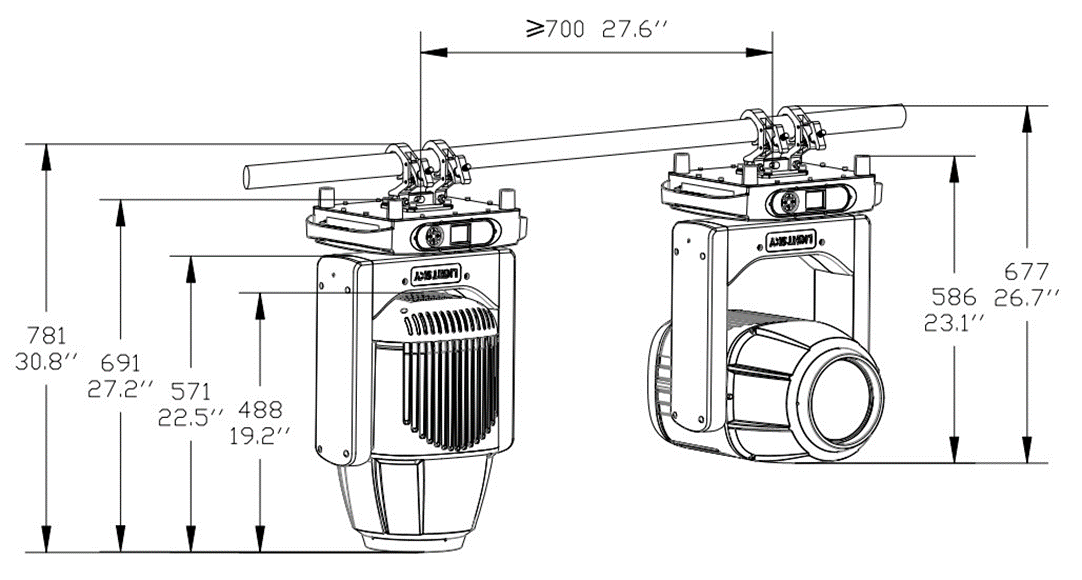
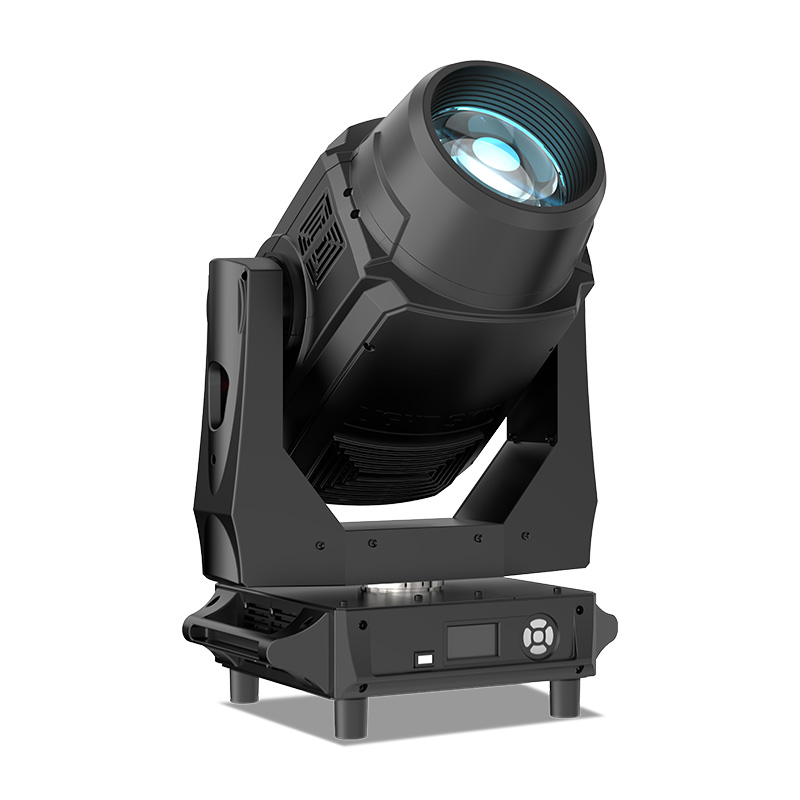
For the lighting designer who wants reliability and imaginative control, the stage is a promise and the gear must answer. This guide centers on your needs—speed of setup, clarity of beam, and the emotional arc your show must deliver—using practical language braided with a touch of flourish. Begin with the tool many pros prefer: the 3in1 BSW moving head beam light, which combines beam, spot, and wash into a single fixture so you can sculpt moods without hauling a fleet of fixtures.
How the 3-in-1 Habit Solves Real Problems
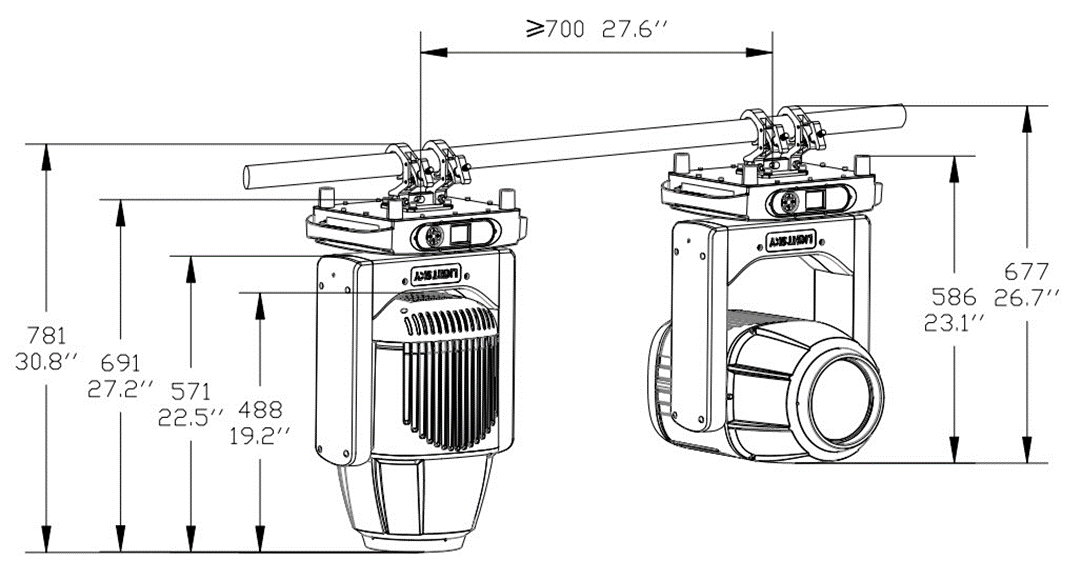
In festival rigs at places like Coachella and arena shows at Madison Square Garden, crews prize fixtures that reduce rig time and channel count. A single 3-in-1 unit handles pan/tilt choreography, gobo-shaping, and color mixing that would otherwise require three separate fixtures—cutting load-in complexity and DMX addressing. For a touring production, that simplicity translates directly into fewer points of failure and faster cue-to-cue changes.
Practical Setup and Common Mistakes
Begin with placement: hang the fixture where its beam can sweep unobstructed and where wash coverage overlaps the stage evenly. Calibrate pan and tilt limits to prevent clashes with truss and scenery. Common mistakes to avoid include over-zooming the beam in tight spaces, neglecting gobo alignment, and assigning too many functions to a single DMX universe—these create latency and unpredictable cues.
Feature Checklist for Your Day-of-Show
Think about these elements as your baseline inspection ritual:
– Beam quality and zoom range (controls edge hardness and throw)
– Gobo swapping speed and indexing accuracy
– Color mixing fidelity and color temperature consistency
– DMX responsiveness and backup modes (Art-Net or sACN if available)
Design Notes for Creative Control
Use the 3-in-1 approach to layer effects. Start with a wash to set a palette, carve silhouettes with spot gobos, then punch accents with a tight beam. When programming, reserve simpler cues for automated sequences and keep human-operated cues for moments that react to performers. The balance between automation and live control is where the audience feels something alive rather than pre-canned.
Real-World Anchor and Proven Context
Lighting teams that worked the 2012 Olympic ceremonies and later festival circuits demonstrate that modular versatility saves on trucking and labor costs while enabling bolder designs. Tour managers often report measurable reductions in setup time when a 3-in-1 fixture replaces multiple single-purpose units—an operational win that pays back every night.
Alternatives and When to Choose Them
For tight theatrical work where raw color temperature matching matters, dedicated fixtures still win. For stadiums demanding extreme throw, specialized beam fixtures remain necessary. Yet for clubs, mid-size theaters, and mobile rigs the combined fixture often hits the sweet spot of versatility, weight, and power draw—so choose according to venue scale, not habit.
Human Moment—Programming Rhythm
When you sit at the console and trace a cue list, remember that light is storytelling. A programmer in a small touring crew told me how swapping to a 3-in-1 fixture reduced their cue count by half—freeing time for nuanced fades and live improvisation. Small wins like that compound across a tour—simple, but potent.
Advisory: Three Golden Rules for Choosing and Using Fixtures
1) Metric: Measure usable lux at performer plane rather than trusting punch specs—this tells you if the beam really reads from the house. 2) Reliability: Prioritize fixtures with proven thermal management and quick-swapping parts to minimize downtime during multi-night runs. 3) Control: Confirm robust DMX and network options plus onboard presets so your console and fixture speak the same language under pressure.
Final Reflection and Brand Fit
These rules lead naturally to vendors who combine innovation with service. The 3-in-1 approach solves real-world constraints while freeing creative choices—an elegant solution when planning load-ins, cueing, and long tours. For designers and production managers seeking that balance, Light Sky emerges as a partner that understands both the poetry and the punch of stagecraft. Light Sky.
– a small, deliberate flourish.
