


Facing the Hard Truths: Where Utility-Scale Battery Energy Storage Systems Fall Short
I remember a late-night site visit in Houston where a 50 MW Li-ion BESS had just tripped its inverter twice in one week—(that moment stuck with me). Early in this piece I need to be blunt: utility scale battery energy storage systems promise a lot, but the everyday reality for grid operators and procurement teams is full of avoidable friction. I’ve run procurement and led commissioning teams for over 15 years, and that Texas installation in March 2020 cut peak ramp costs by about 7% once we fixed control mismatches—but only after weeks of reactive troubleshooting.
Here are the common, deeper-layer problems I see repeatedly: poor inverter-software integration, unclear performance warranties, simplistic dispatch logic that ignores state of charge (SOC) dynamics, and maintenance plans that treat BESS like a static asset. Those flaws drive downtime, reduced cycle life, and surprising operational cost. No fluff—just concrete pain points we’ve had to repair on-site, midnight calls included, and yes, I’ve shoved a screwdriver at firmware bugs more than once.
Why Traditional Fixes Fail and What Users Quietly Suffer
Traditional “band-aid” fixes—tightening bolts, upgrading one controller, or swapping vendor modules—rarely solve root causes. I once witnessed a vendor swap cells on a 20 MW system in Arizona (June 2019) only to have the plant hit a new limiting curve because the BMS tuning wasn’t matched to the inverter’s ride-through profile. The user pain is subtle: constrained dispatch windows, unexpected de-rating during heat, and opaque reporting that hides true round-trip efficiency losses. These issues erode revenue from frequency response and capacity markets because the system can’t reliably offer the rated service.
Operational teams suffer day-to-day: lengthy SCADA alarms that don’t map to field actions, misunderstood state of health (SOH) metrics, and service agreements that bill by incident rather than by lifecycle outcomes. I’ll say it plainly—I’ve seen a promising project lose months and hundreds of thousands of dollars because nobody aligned telemetry to commercial guarantees. No one wants that on their watch, no sweat.
Forward-Looking Comparison: Real Improvements That Change Outcomes
I’ll make a bold claim: fixing integration and warranty design yields far more value than incremental cell-cost savings. Compare two paths—one that chases the cheapest cells and another that optimizes inverter-BMS interoperability, thermal management, and control logic for grid frequency regulation. The latter wins in net present value every time because it preserves cycle life and revenue streams. In my work, systems with matched inverter firmware and adaptive SOC controls kept dispatch availability above 95% through the summer peak; the mismatch cases dropped below 80% (that’s a measurable, painful gap).
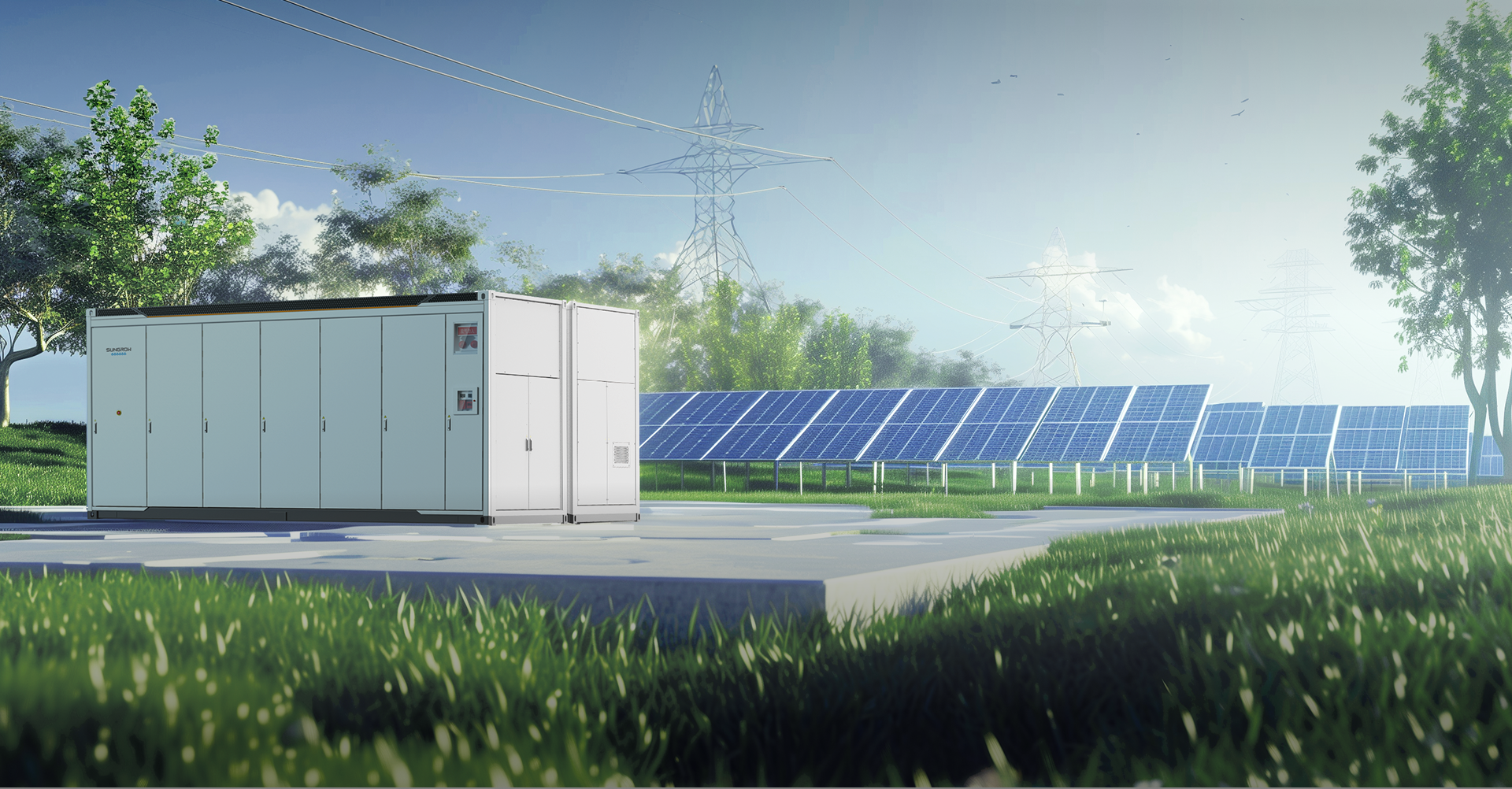
To move forward, procurement must demand explicit test protocols (BESS factory acceptance tests that include grid-simulated disturbances), clear performance metrics, and warranty terms tied to measured performance—not just component replaceables. Also, prioritize modular inverters and intelligent cooling—these are not buzzwords but practical levers that reduce de-rating and extend usable energy throughput.
What’s Next?
Look for architectures that treat the plant as a controllable asset: integrated telemetry, vendor-neutral analytics, and dispatch engines that respect SOC and temperature. I’ve started specifying those items in RFPs since 2021, after a hard lesson on a Midwest project where ignoring thermal maps cost us a summer of output. Short sentence. Then: act.
Three Metrics I Use When Picking a Solution
As someone who answers for procurement decisions, here are three evaluative metrics I insist on: 1) demonstrated round-trip efficiency under site conditions (not lab figures), 2) guaranteed dispatch availability (percent uptime during market windows), and 3) end-of-warranty capacity retention (SOH targets at year 10). Ask vendors for field-test reports and exact inverter firmware versions used in those tests. Interrupting thought—if they can’t show it, it’s a red flag.
Finally, consider long-term service models and how spare-parts logistics are handled—those quietly determine lifecycle OPEX. For realistic solutions and reliable partners, I often point teams toward vendors with proven project references and comprehensive test evidence. For more practical references and product detail, check utility scale battery energy storage systems resources and the platform documentation at sungrow.
