


User-Centric Overview
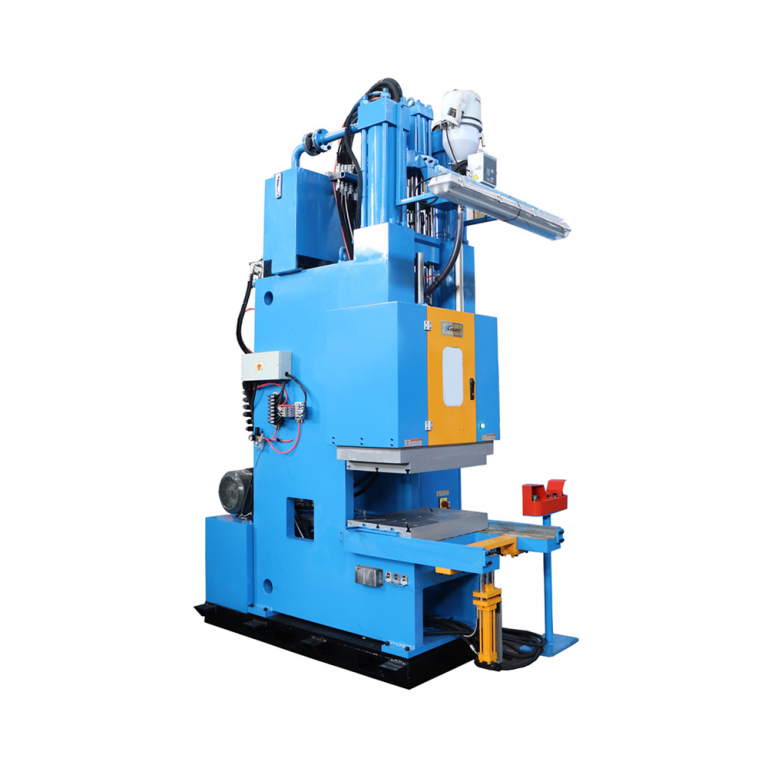
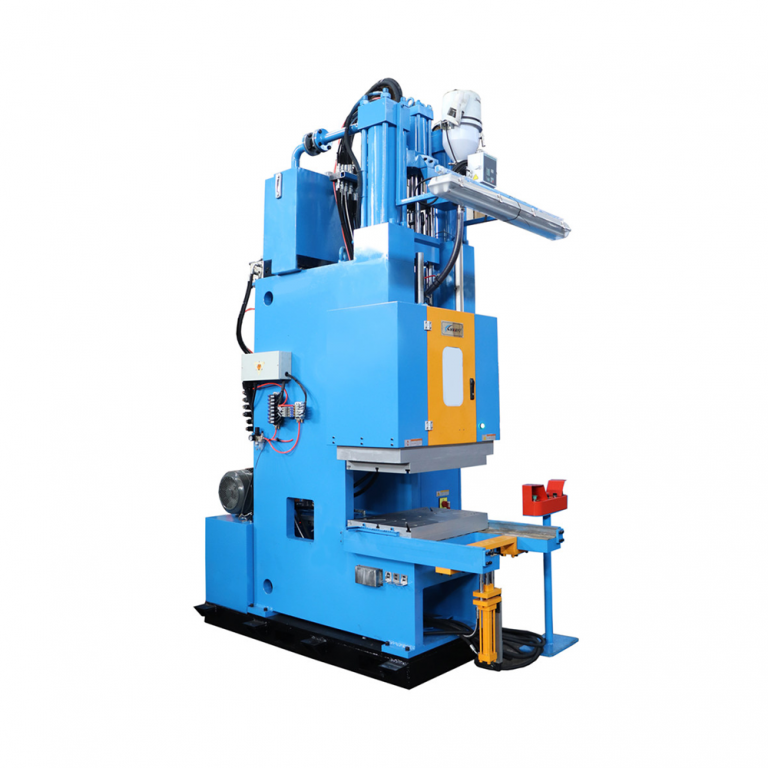
Engineers and procurement specialists who must specify a vertical molding machine require concrete criteria that map directly to production outcomes. This guide addresses those needs, concentrating on clamping force and shot accuracy as primary drivers of part quality and cycle stability. For teams evaluating a transfer-oriented solution, the c frame rubber injection molding machine often appears in shortlists because of its accessible platen layout and rapid mold change ability.
Defining Requirements: From Part to Machine
Begin by translating part geometry and tolerances into machine parameters. Key variables include shot size, mold cavity count, and required surface finish. Clamping force must exceed the theoretical separation force with a safety margin; shot accuracy must preserve dimensional tolerances across the full production run. Specify expected cycle time and permissible scrap rate up-front so the supplier can recommend appropriate servo-hydraulic or hydraulic control strategies and whether a transfer press approach suits the process flow.
Clamping Force: Calculation and Margin
Calculate nominal clamping force from projected area and maximum injection pressure, then apply a 20–30% safety factor for dynamic loads and ejector actions. Consider platen stiffness and tie-bar spacing—especially for eccentric loads common in vertical c-frame layouts—to avoid mold misalignment. For thermoset rubber parts, account for cure-induced forces and platen heating; these affect net clamping demands and wear on the clamping mechanism.
Shot Accuracy: Control Architecture and Feedback
Shot accuracy derives from consistent metering, stable melt viscosity, and responsive control loops. Specify acceptable shot-to-shot variance in grams or millilitres; requirements tighter than ±0.5% typically require closed-loop injection control and thermal stability of the barrel and shot pot. Inclusion of a melt pressure transducer and real-time position feedback reduces variability. For vertical transfer processes, coordinate cure timing on the loaded platen with precise shot metering to maintain part dimensions.
Materials, Molds and Peripheral Systems
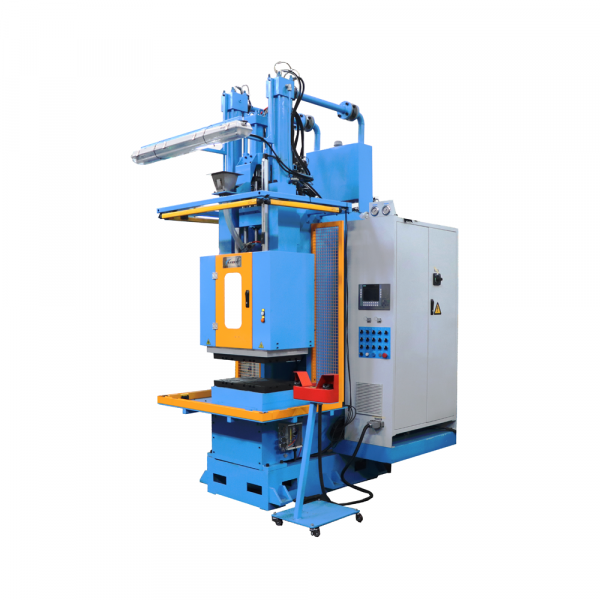
Material rheology directly affects shot delivery and packing. Request suppliers to validate machine performance with your compound on a demonstration run. Pay attention to mold alignment systems—guide pins, bushings, and platen flatness—and to ancillary equipment such as vacuum fixtures for vertical orientation. If post-mold curing or trimming is necessary, integrate those stations to preserve cycle consistency rather than adding variable manual steps.
Common Specification Mistakes
Two recurrent errors degrade long-term performance: underestimating dynamic forces and over-relying on nominal clamping numbers while ignoring platen rigidity. Another mistake is omitting verification tests; a factory acceptance test that runs representative cycles with instrumented molds prevents surprises. Also avoid equating higher clamping force with better accuracy—without balanced platen stiffness and control precision, extra force only increases energy consumption and wear.
Real-World Anchor: Industry Practice in Jubail
Regional manufacturing hubs such as Jubail Industrial City demonstrate the value of detailed specifications: plants that integrated vertical c-frame presses with centralized control and documented F.A.T. procedures reduced first-article rework significantly. Those projects emphasised instrumented validation—melt pressure, platen deflection, and shot weight logging—before shipment. Such verification aligns supplier claims with on-site reality and supports regulatory audits where ISO compliance is relevant.
Checklist for Procurement Teams
Use a concise checklist to translate technical needs into tender language:- Specify clamping force with calculation and margin.- Define shot accuracy targets in absolute units and allowable variance.- Request closed-loop controls and key sensor types (pressure, position).- Require factory validation runs with your compound and instrumented data.- Include maintenance access and spare-parts lead time in contractual terms.
Advisory: Three Golden Rules for Selection
1) Match clamping force to calculated separation loads plus stiffness considerations, not to peak marketing numbers. 2) Insist on demonstrable shot accuracy under representative conditions—logged data trumps claims. 3) Require a documented F.A.T. that includes mold alignment, platen deflection readings and a minimum run of good parts; this prevents costly rework later.
These rules lead to predictable throughput, lower scrap, and clearer working relations with suppliers—attributes that experienced process engineers trust. For a solution that aligns with these principles and supports vertical transfer workflows, explore how hot press machine for c frame configurations are specified and validated at scale. The practical value is clear: detailed specifications reduce ambiguity and accelerate ramp-up. HWAYI. –
