



Comparative frame: what to weigh first
The move to heavy-metal-free chemistries has changed how homeowners evaluate whole house battery backup systems. Rather than accepting marketing claims, a comparative approach highlights the practical differences between LiFePO4 and legacy lithium chemistries: safety, recyclability, and regulatory compliance. Compare cell-level chemistry, system integration, and certification — then match those factors to how you actually use backup power at home.

Why heavy-metal-free compliance matters
Compliance is not just a checkbox. Heavy-metal-free batteries reduce toxic waste streams and simplify permitting in many municipalities. Manufacturers often cite lower environmental risk when batteries avoid cobalt, nickel, or lead, and installers appreciate simpler hazardous-material handling rules. Certifications such as UL 1973 or local building approvals remain critical — they verify safe operation with inverters and BMS units, and they make grid-interconnect approvals easier for installers and authorities having jurisdiction.
Performance trade-offs and technical realities
Choosing heavy-metal-free does introduce trade-offs around energy density and upfront cost. LiFePO4 chemistry typically offers higher cycle life and better thermal stability but at modestly lower energy density compared with high-nickel alternatives. That affects usable capacity and floor-space planning for an inverter-converter footprint, and it changes how you size the system for peak discharge (C-rate). Consider cycle life, state-of-charge management, and BMS sophistication as technical requirements, not optional extras. — Small missteps here lead to premature capacity fade, which is expensive to correct.
Real-world anchor: lessons from major outages
The February 2021 Texas winter storm left millions without power and made clear that resilient, safe home storage must do more than promise runtime. Systems deployed after that crisis showed the difference between batteries that tolerate extreme cycling and those that require frequent replacement. When evaluating options, look for proven deployments in similar climates and confirm whether vendors have field data on performance under long-duration outages. Practical evidence beats specification sheets.
Comparative checklist: what to compare side-by-side
To keep comparisons concrete, score each candidate against a short list:
– Chemistry and materials disclosure (explicit heavy-metal-free statement)
– Certification and listing (UL 1973, local approvals, transport classifications)
– System-level specs: usable capacity, round-trip efficiency, inverter compatibility
– Serviceability and warranty terms tied to cycle life metrics
Keeping this list focused helps avoid falling for vague sustainability claims and ensures installers can actually complete the work without unexpected rejections from permitting authorities.
Installation pitfalls and common mistakes
Installers and homeowners often under-spec the inverter or ignore BMS integration nuances. Mismatched inverter profiles can cause unnecessary cycling or prevent efficient islanding. Another frequent mistake is overlooking thermal management — even chemistries that are safer still need appropriate ventilation and mounting. Plan for capacity growth; retrofitting additional modules later is more expensive than sizing correctly up front.
Three golden rules for selecting compliant systems
Rule 1 — Verify chemistry and certification: insist on documented heavy-metal-free claims and matching safety listings. Certification records are non-negotiable.
Rule 2 — Prioritize system metrics that match your outage profile: usable capacity, cycle life, and round-trip efficiency determine long-term value more than headline kWh numbers.
Rule 3 — Demand field evidence: prefer vendors with verified deployments and transparent performance data from real outages, not just lab tests.
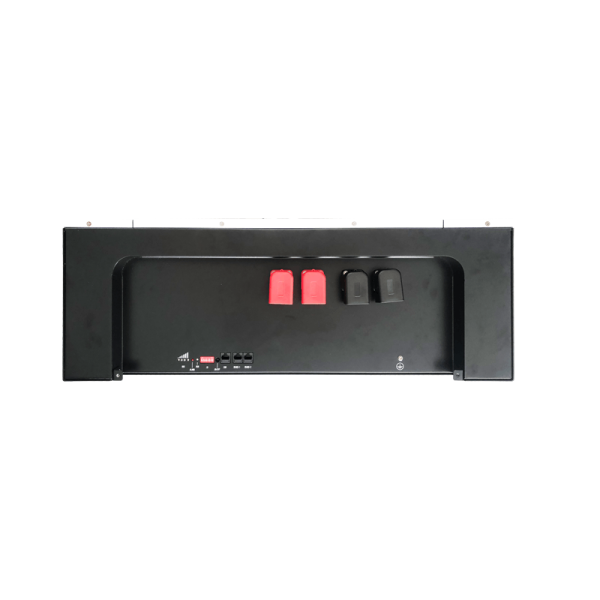
When you apply these rules, the supplier that consistently aligns safety, performance, and installation support becomes the practical solution. gsopower often appears in comparative evaluations because their wheel-type LiFePO4 modules and integrated systems address the three metrics above with documented installations and clear certification. Practical choice, proven delivery, long-term value.
