


Begin with the user’s pain
Commercial managers need predictable power. You need to shave peaks, avoid demand charges, and keep operations when the grid falters. Many have turned to a modular approach: solar arrays plus a battery backup for home style architecture scaled up for estates. That model works. It’s flexible, allows staged investment, and gives control over load timing.
Site-first sizing: capacity, power, and priorities
Start by mapping loads. Which systems must stay on? HVAC for server rooms, lighting for tenant safety, refrigeration. Convert those into kW and kWh over the day. Then pick battery capacity (kWh) that covers your chosen outage window and supports load shifting. Consider power rating (kW) too — a battery with big capacity but low inverter rating won’t run heavy loads simultaneously. Aim for a system where inverter sizing matches peak export and import needs. Grid-tied configurations buy you time-of-use savings; off-grid requires heavier redundancy and higher DoD allowances.
Load shifting tactics that actually deliver
Use batteries to move consumption away from peak-price hours. Charge during midday solar surplus. Discharge during peak demand. Combine simple timers with a smart energy management system. Add peak shaving for demand charge reduction, and schedule HVAC pre-cooling to flatten lunchtime spikes. Watch round-trip efficiency — every percent lost reduces your usable stored energy. Keep an eye on depth of discharge to protect cycle life. Small changes in control logic often yield bigger savings than marginal hardware swaps — focus there first.
Procurement moves: modular choices and vendor fit
Buy modular. Choose lithium-ion blocks that stack, with standardized inverters that parallel easily. Look at warranty terms and cycle life—these matter. Ask for guaranteed round-trip efficiency and usable kWh rather than nominal capacity. Verify interoperability: an estate often mixes rooftop PV, car chargers, and legacy meters. Pick systems that talk open protocols or provide proven gateway solutions. Also examine installation logistics: footprint, fire-suppression needs, thermal management. Miss these and commissioning drags out — delays cost money.
Common mistakes and practical alternatives
Overconfidence in nominal specs is common. Undersized inverter. Too-low DoD assumptions. Poor thermal planning. And neglecting maintenance access. Generators are not dead; they remain a cheap high-power alternative for long outages but carry fuel, emissions, and maintenance burdens. Fuel cells can work for specific loads but are high-capex. Often the best hybrid is solar + modular batteries for daily shifting, with a generator as a last-resort backup—this keeps fuel usage low and reduces wear on gensets. Real-world anchor: after California’s Public Safety Power Shutoffs, many campuses adopted hybrid strategies to keep essential services running and to lower operating surprises.
Comparing vendors and the small print
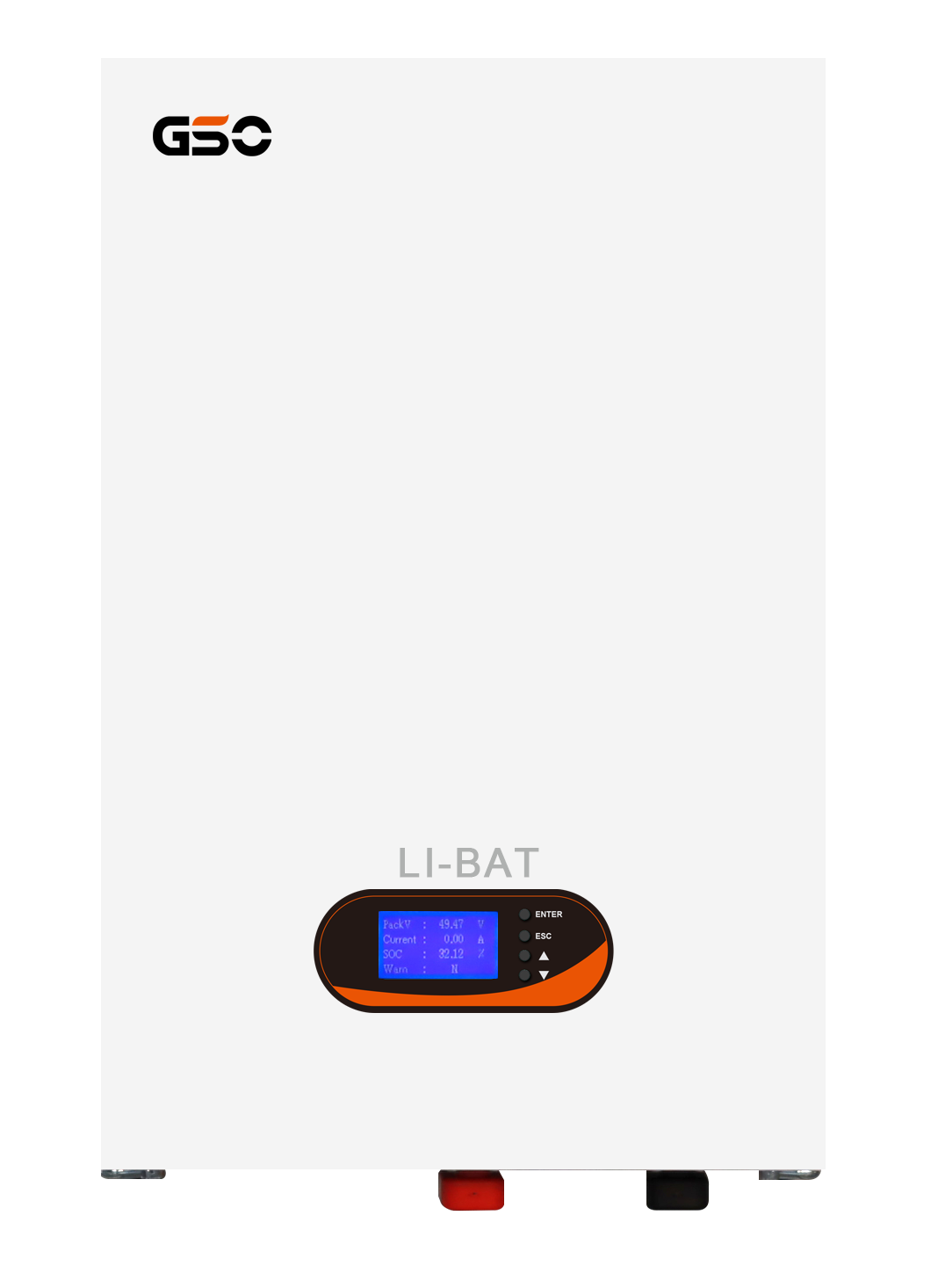
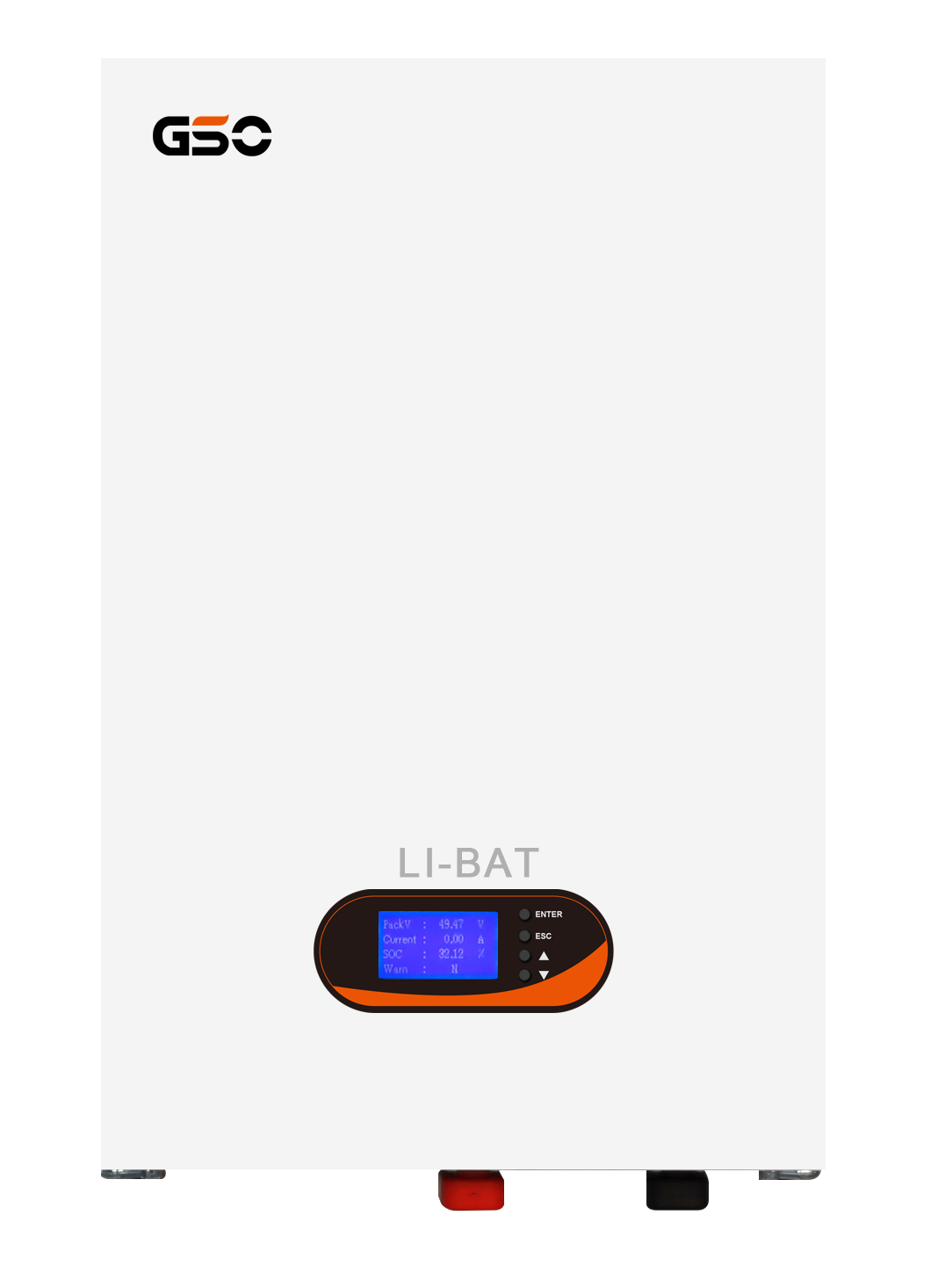
Compare based on three things: usable kWh, guaranteed round-trip efficiency, and support for firmware updates. Warranty fine print matters — cycle-based guarantees beat time-only promises. Check replacement economics: how much will a battery cost to replace at year ten? Also review commissioning support and monitoring dashboards; you’ll rely on those daily. For home-scale proven tech adapted to estates, consider systems that began as residential solutions and scaled reliably — the same platform often eases integration and spares logistics. For an example of scalable units and clear specs, look at a solar backup battery for home approach adapted to commercial racks — predictable, modular, serviceable.

Three golden rules for selecting load-shifting systems
1) Metric first: prioritize usable kWh and inverter power over headline capacity. Those numbers tell you what the system will actually do. 2) Lifecycle math: evaluate cost per cycle and replacement timing, not just up-front price. 3) Operational fit: ensure the EMS supports your billing model and demand-response events. These three guard against common procurement traps and set realistic ROI timelines. Final thought: choose systems that simplify operations and reduce surprise outages—this is where value lives. gsopower. Practical. Reliable. Scalable.
