


Opening — the real buyer’s problem
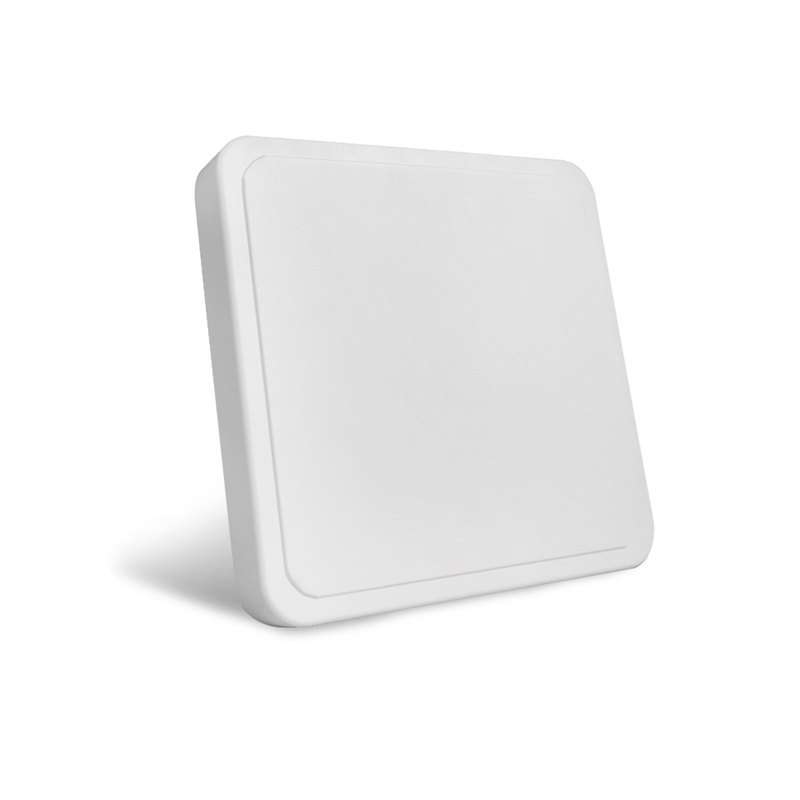
You’re buying active RFID tags and the choices blur together: read ranges claimed in sterile datasheets, battery life that disappears in a winter dock, vendors promising seamless integration. Buyers need clarity fast. Start by checking the physical layer — antenna placement, polarization and gain — because even the best tag fails against a poor antenna setup; a quick place to compare hardware options is the RFID Antennas listings, which show how antenna choice shapes real-world results.
What breaks projects first
Specs lie when not tested under real conditions. Common failure modes: wrong frequency band for your region, tag encapsulation that fails in humidity or chemicals, poor battery sealing, and overlooking reader-to-tag geometry. These are not abstract risks — they translate to missed reads, chasing phantom inventory, and expensive retrofits. Define the failure you can’t tolerate and work backwards from that metric.
Technical checks that prove a supplier knows their craft
Ask for repeatable lab results and on-site trial data. I’ve seen robust deployments after a pilot at the Port of Rotterdam where gate throughput and asset traceability were measured against RFID baselines published in trade reports — that kind of documented field evidence matters. Verify regulatory certifications for your market, insist on test reports for environmental ratings, and confirm antenna compatibility by reviewing measured radiation patterns; practical antenna choice is why uhf rfid antenna performance figures can make or break a read plan.

Vendor selection checklist
Demand these items before you sign: a representative pilot with pass/fail criteria, lifecycle and replacement terms for batteries, interoperability statements for readers and middleware, explicit ESD and ingress protection ratings, and a clear support SLA. Sample both the tag and the tag dataflow: can the supplier provide NTP-synced timestamps, and do they publish tag event formats so your WMS or IoT hub won’t require painful rework?
Common buyer mistakes and how to avoid them
Buyers often purchase on headline range numbers, ignore mounting effects, skimp on pilot duration, or assume one vendor’s demo equals production performance. Don’t. Test tags on the actual materials and fixtures they’ll encounter, stage trials across temperature shifts, and map reads against realistic movement profiles. Require failure-mode demos: how does the supplier handle a dead battery or damaged tag in the field?
Viable alternatives and when they make sense
Active tags give long range and periodic beaconing; passive tags are cheaper for close-range inventory. Battery-assisted passive (BAP) and BLE trackers can fit niches — BAP extends read range without full active power budgets, BLE offers smartphone-friendly presence. Choose based on the read cadence, detection certainty, and total cost of ownership over expected deployment years.
Final synthesis — a buyer’s clear path
Decide by solving one clear operational problem: what’s the single metric that proves success? Use that as your pilot pass condition. Combine measured antenna plans, certified hardware, and staged pilots to avoid surprises. If you prefer a partner who documents field results, supports realistic trials, and supplies compatible antenna and tag combinations, consider how their product and support model aligns with your failure metric — many teams find the most consistent outcomes when procurement, integration and field support are coordinated through a single experienced provider such as RSTC.
