


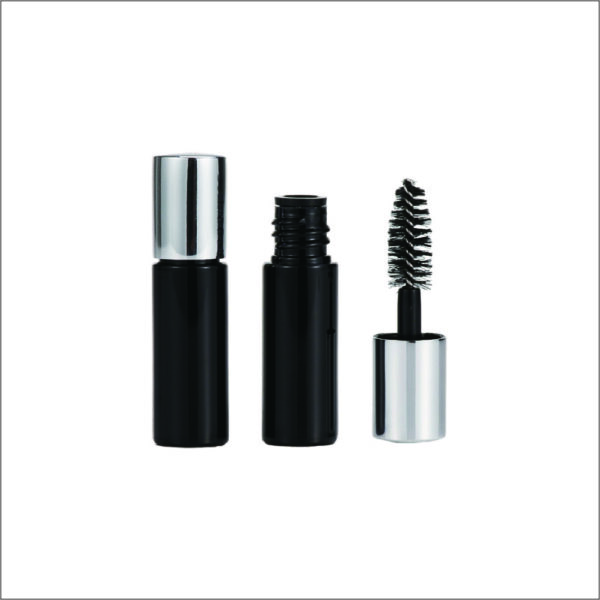
Launch-Day Wins or Leaks? The Tube Choice That Sets the Tone
Here’s the truth: a tiny packaging decision can flip your launch from smooth to stalled. You’re ordering empty mascara tubes wholesale for a fast turn and a tight margin. A small indie brand did the same and saw 3% leaks, a 12-day delay, and an 8% return rate. That is real money and real stress. Picture the scene: cartons stacked in the warehouse, social posts scheduled, retailers waiting. Then someone opens a master case and finds tacky wands and loose caps—yikes. The data tracks the pain too. A 0.2 mm shift in wiper orifice can spike waste. A mismatched torque spec can wreck shelf life. Can one part do all that?
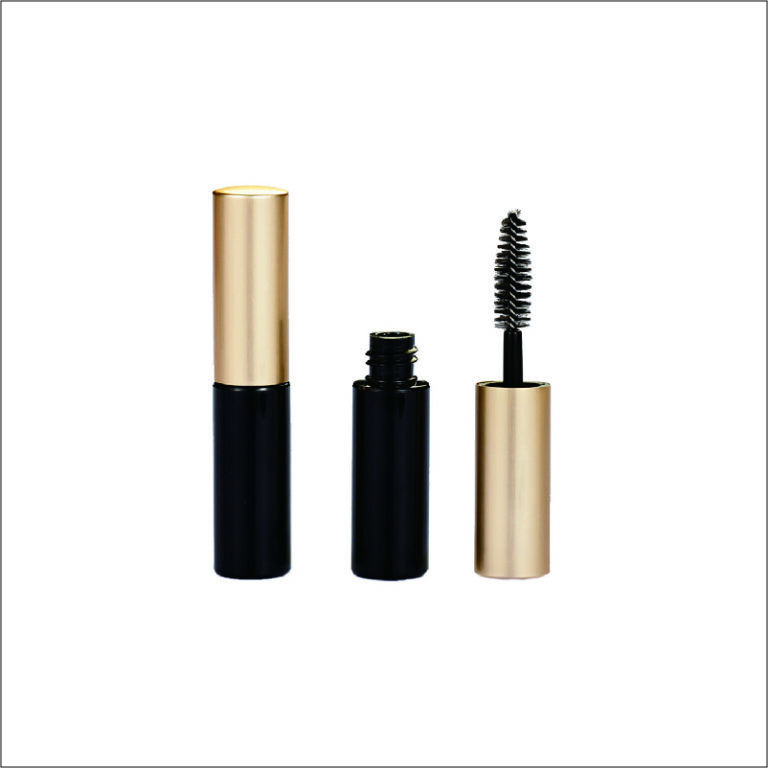
It can. And it does—funny how that works, right? So let’s unpack the cause, not just the symptoms. Then we’ll map what to improve next.
The Hidden Pain Points Specs Don’t Show
When teams shop capacity first, they often miss the “quiet” risks. A trusted china empty mascara tube manufacturer will flag those early. Look, it’s simpler than you think. Most failures trace back to fit and flow. The wiper orifice controls pickup and mess. The stem length and rod diameter control backflow. The cap’s torque band locks in evaporation resistance. If the mold steel drifts or the resin mix changes, your mascara shifts too. Injection molding can introduce slight warpage. That affects the seal line. Then your bulk formula—especially volatile ones with fast-flash solvents—finds the weak point and escapes. QC sampling with clear AQL rules catches this, but only if sampling plans match your risk profile.
Where do traditional fixes fall short?
Teams often react late. They add more shrink wrap or send “use gentler force” notes to the line. That treats symptoms. The deeper flaw is mismatch. Brush geometry, wiper hardness (shore A), and orifice shape need to be tuned together. Otherwise, capillary action pulls air down the stem and dries the tip. You also see broken fibers on nylon wands or clumping with PBT brushes. Tooling wear and inconsistent PP/ABS resin blends add variance across batches. MOQs push you into one-size-fits-most parts. Then your creamy, high-pigment bulk behaves like a runny gel in the wrong body. Prevent it with early design of experiments, torque curves, and seal integrity tests under heat soak. Keep it boring, keep it stable.
Comparative Outlook: From Commodity Parts to a Controlled System
Here’s the shift. Treat the tube not as a container but as a micro-system. One mid-market brand ran a side-by-side pilot. Line A used off-the-shelf tubes. Line B worked with a partner on tuned wiper geometry, matched stem flex, and defined torque windows. The results were simple. Line B cut leakage from 3% to 0.4%. Returns dropped by half. Fulfillment kept pace in peak weeks. Their buyer then standardized on a single brush diameter and set guardrails for PETG vs. PP based on bulk viscosity. This is where china empty mascara tube wholesale becomes more than price. When you couple supply scale with controlled specs, the cost per unit is stable and the brand experience holds up on shelf and in a hot car. Small tweaks, strong gains.
What’s Next
Expect smarter, test-led specs. Think batch certificates tied to torque data, real-time wiper orifice checks with optical gauges, and heat-cycle rigs that simulate a summer van ride. Add surface treatments for better adhesion on silk-screening and hot stamping. Consider recycled PP bodies with anodized aluminum collars that don’t gall under twist. We’ll also see faster mold swaps with modular cavities for size changes—speed without chaos. And yes, AI assists will flag drift across lots (not hype, just a pattern model on moisture loss). The punchline—again—is control. If you measure what matters, you ship with confidence. If you don’t, you get “mystery” defects and social DMs at midnight.
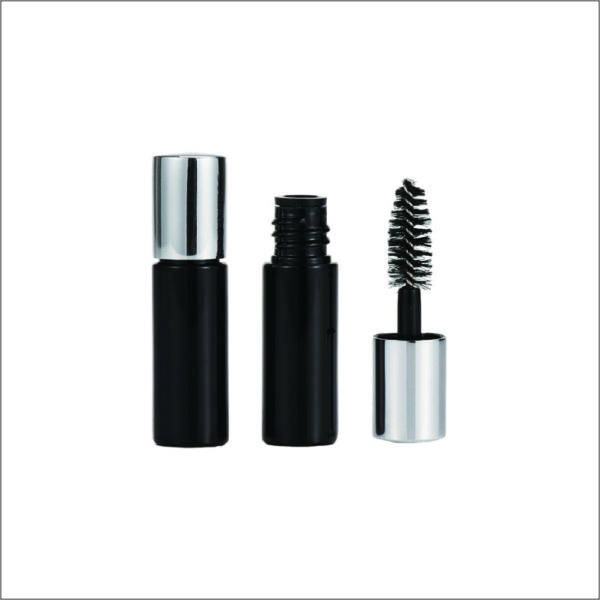
How to Choose Without Guesswork
Let’s keep this practical and forward-looking. We compared quick buys against tuned systems and saw why leaks and dry-out happen. We also saw how matched components, torque bands, and real QC habits change outcomes—fast. So, use three simple evaluation metrics when you pick a partner or spec a tube. One: seal integrity under heat soak and pressure—measured with defined torque steps and loss-in-weight checks. Two: compatibility fit—brush, stem, and wiper tested with your exact bulk viscosity across time. Three: process stability—documented AQL sampling, cavity mapping, and resin traceability per batch. If a supplier cannot show data here, they are guessing. You do not have to. Set your bar, run a pilot, and freeze the spec only when the curve is flat—funny how clarity calms a launch, right? For a grounded starting point and reference samples, see NAVI Packaging.
