


Why a comparative view matters for hospitality projects
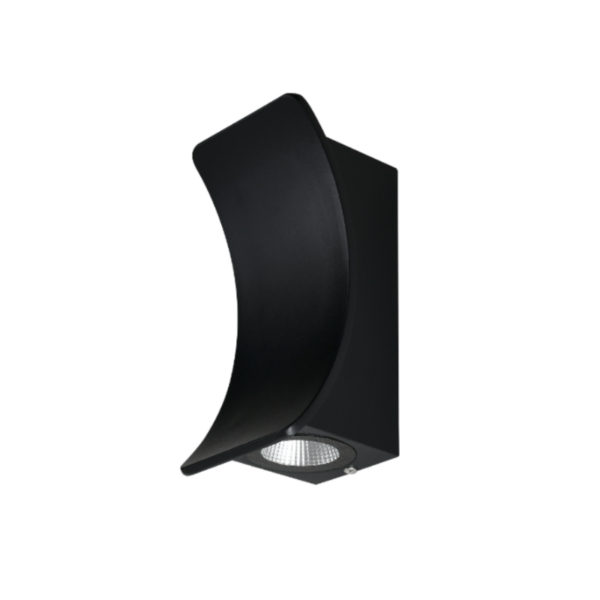
When a hotel aspires to feel like a destination rather than merely a building, choices about exterior illumination become strategic — not decorative. A comparative lens helps developers weigh long-term resilience, wash uniformity, and control protocols against short-term savings. Early in concept meetings you might even test an outdoor wall lights motion sensor to see how sensor-driven dimming shapes guest arrival moments; that simple trial often foreshadows whether a retail fixture will survive a façade schedule or a dedicated architectural system is required.
Architectural-grade versus retail fixtures: the core differences
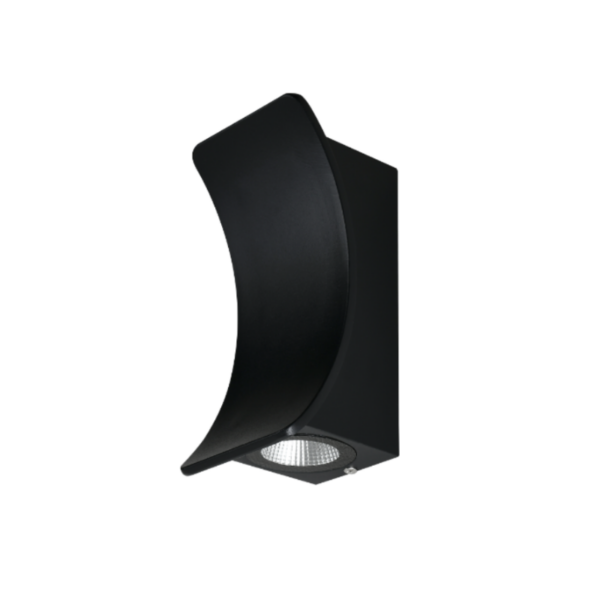
Architectural-grade systems are engineered for scale and continuity: consistent lumen output, integrated housings designed for thermal management, and controls that speak DMX or DALI for coordinated color temperature shifts. Retail fixtures, by contrast, target point illumination and cost-efficiency — fine for storefronts but not for large curtain walls where beam angle, mounting tolerances, and IP rating matter. The choice affects not only aesthetics but maintenance cycles and energy budgets.
Real-world anchors: projects that shaped the preference
Look to skyline-defining projects — Marina Bay Sands in Singapore and dynamic façade installations on buildings like the Burj Khalifa — to see how architects and hoteliers commit to architectural-grade lighting. Those projects demonstrate the value of uniform wash, integrated control, and long-life LED modules in high-profile hospitality applications. Hoteliers learned from such case studies that a façade is part of the guest experience; its lighting must be specified like the lobby carpet, not like a holiday pop-up.
Design and technical considerations developers must compare
Three technical vectors govern the decision: optical performance, environmental robustness, and controls integration. Optical performance means selecting fixtures with the right beam angle and consistent CRI across batches so skin tones and signage read correctly at night. Environmental robustness considers IP rating and corrosion-resistant finishes for coastal sites. Controls integration — whether DMX, DALI, or simple zone dimming — determines how façade cues sync with interior scenes. The soft transitions that guests love often depend on a single spec: correlated color temperature (CCT) consistency across all runs.
Common mistakes on façade lighting — and how they reveal true needs
Developers often treat façade lighting as an afterthought: buy off-the-shelf fixtures, expect them to scale, and assume a contractor will handle integration. That shortcut misfires when beam angles clash, maintenance ladders are impractical, or fixtures overheat behind cladding. — A small specification omission (like neglecting ingress protection for saline air) can lead to premature failures and reputational cost. Insist on mock-ups, thermal data, and a maintenance-access plan before procurement.
When retail fixtures still make sense
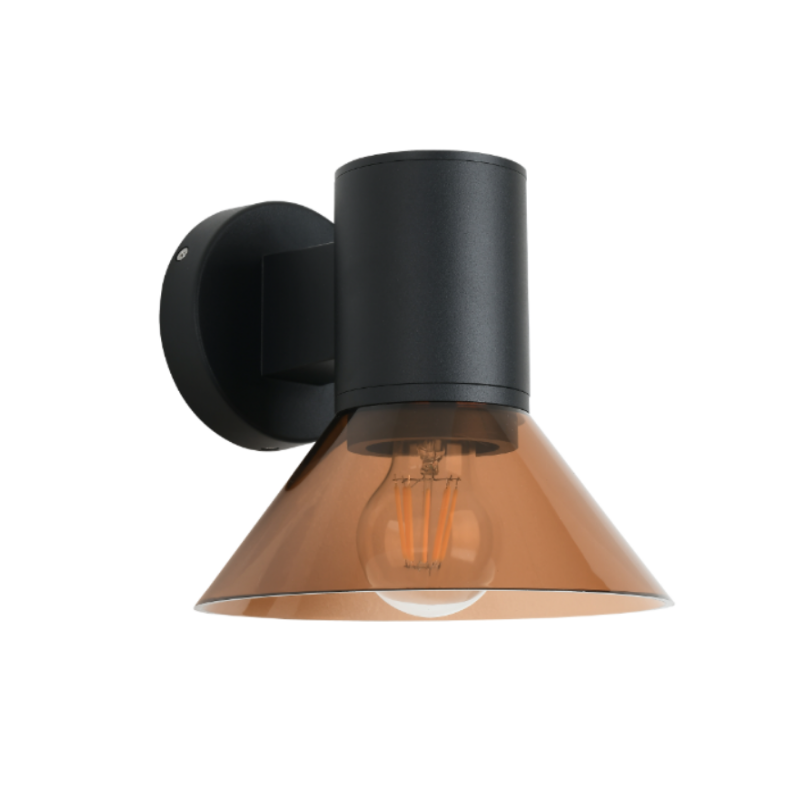
There are pragmatic moments for retail-grade hardware: discrete accenting of secondary façades, temporary seasonal displays, or tight budgets on adaptive reuse where architectural housings cannot be retrofitted. For human-scale elements — porch lights, courtyard sconces, or corridors — a well-chosen soft light wall sconce can create the intimate moments guests remember. The trick is to mix judiciously rather than substitute wholesale; the façade’s primary language should remain architectural.
Maintenance, total cost, and lifecycle thinking
Compare not just purchase price but lifecycle cost: replacement driver cycles, LED lumen maintenance (L70), and the effort of coordinated firmware updates across zones. A single vendor approach for architectural-grade fixtures simplifies firmware and warranty claims; a scattershot retail approach often multiplies spare-part SKUs and elevator time. Developers who model 10-year TCO often find the premium for architectural-grade systems recoups itself in reduced re-lamping, fewer control conflicts, and a steadier guest impression.
Advisory: three golden rules for selecting façade lighting strategies
1) Metric: Spec for uniformity first — require maximum delta-CCT and a target CRI across all fixtures, and verify with on-site mock-ups. 2) Metric: Demand operational readiness — check IP rating, thermal management, and documented MTBF (mean time between failures) for the chosen fixtures. 3) Metric: Insist on integrated controls — the lighting story is told in sequences; choose systems that support DMX/DALI or open protocols to avoid future lock-in.
These rules turn aesthetic intent into operational reality and point naturally to suppliers who marry design thinking with systems engineering. For hotels seeking long-term value, this is where product selection intersects with brand promise. Keyida. —
