

Why Some Meetings Glide While Others Grind
I walked into a boardroom where the “quick” update had already eaten ten minutes. Our paperless conference system was supposed to make that impossible. Each seat had a microphone with screen glowing like a tiny control tower, ready to guide the flow. Yet the first talker fumbled, the second couldn’t unmute, and a third whispered, “Is it on?” Studies often peg setup and handover losses at a chunk of every hour—enough to derail a decision. So what gives?
Here’s the twist: the gear is smart, but people and workflows have rough edges. Latency creeps in, not just on audio, but on decisions. A neat interface can still hide too many steps. A great room mic may clash with poor seating or glare. Even solid beamforming runs into noisy HVAC (been there). And when edge computing nodes are set wrong, things stall fast. Ironic? A little. Useful? Very. Because once you see the patterns, the fixes look simple—funny how that works, right? Let’s line up the clues and compare what actually helps with what only looks helpful.
The Hidden Pain Points of ‘Smart’ Mics on the Table
Why do fancy mics still cause messy meetings?
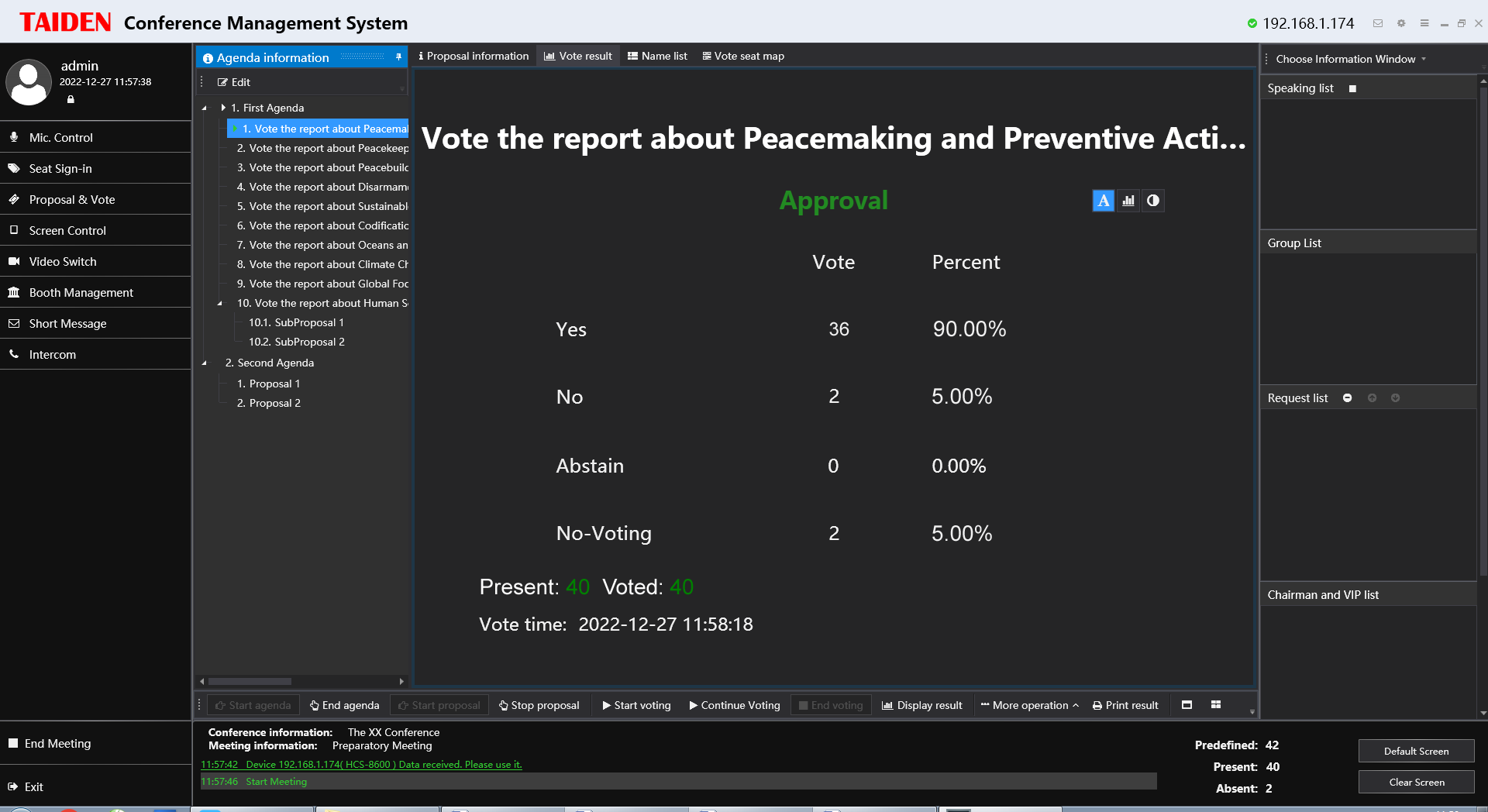
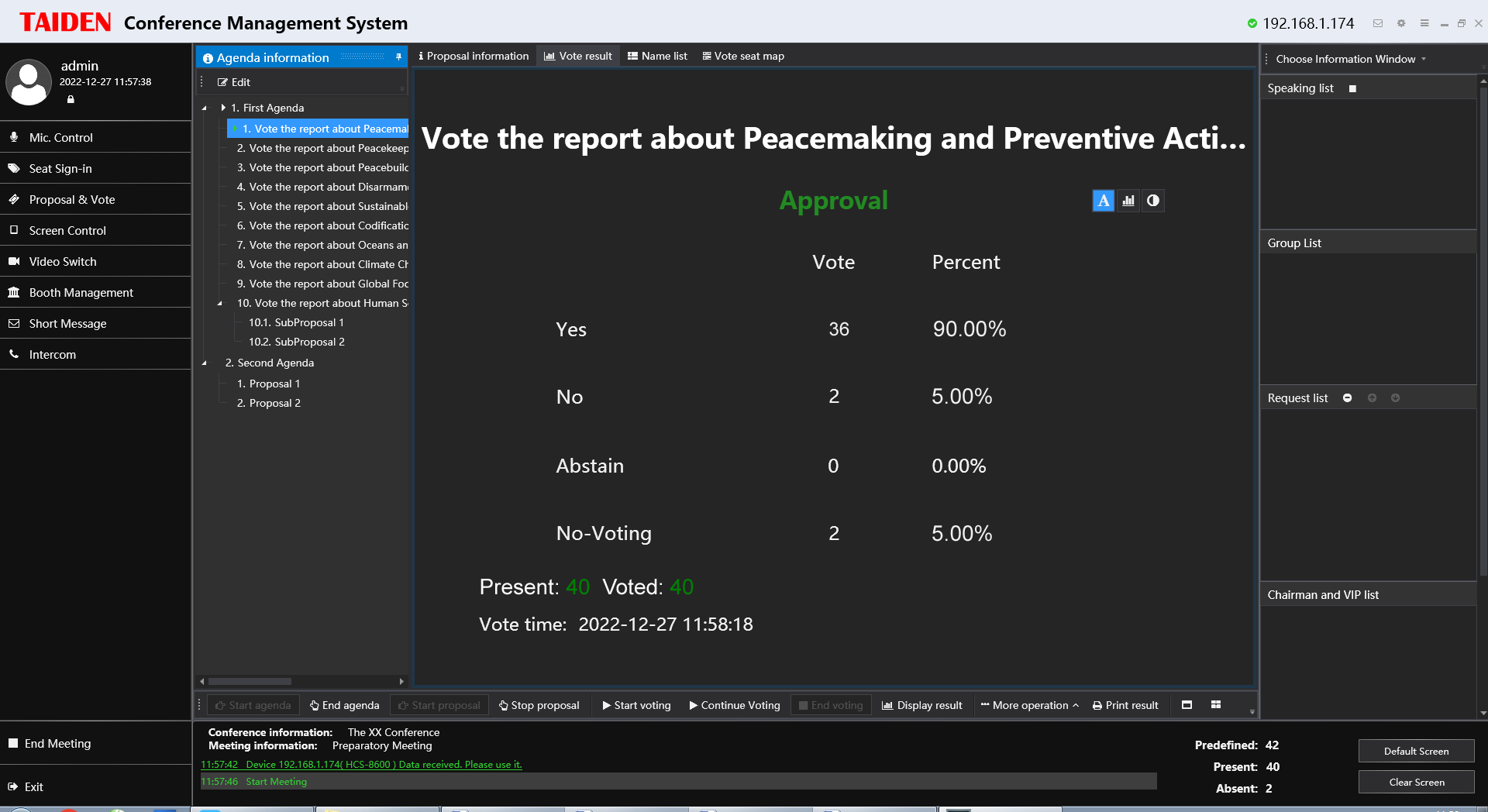
Let’s get specific. A tabletop unit with a bright display looks like a cure-all. In practice, the user flow can be the disease. If the talk button is soft, buried, or laggy, people stop trusting it. When the UI hides mute status or vote state, the chair burns time asking the room to “check your screens.” Add network basics—no QoS tags, shaky PoE budgets, daisy-chained switches—and you get brownouts or audio pops. And security prompts that demand frequent re-auth add friction. Look, it’s simpler than you think: bad defaults multiply. Good defaults fade into the background.
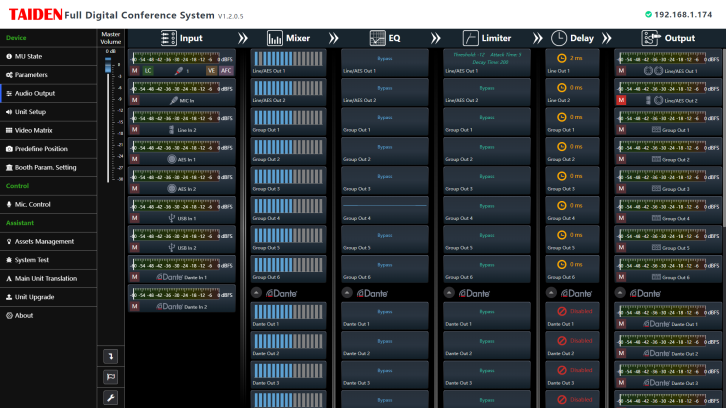
Audio paths add their own traps. DSP chains can be too heavy, so end-to-end delay rises past comfort. A “microphone with screen” that pushes rich UI over the wire without local caching will feel sticky during peak traffic. Mixed protocols—say, Dante for audio and a separate control bus—can drift if clocks aren’t locked. Even robust AES-256 encryption is only helpful when keys rotate cleanly. The result is hesitation at the table. People lean back, wait, and talk over each other. That feels human, but it’s actually a system symptom.
What Moves the Needle: Principles Behind Next-Gen Meetings
What’s Next
Compare old and new, and the pattern snaps into view. Old stacks lean on a central server for every tap, screen change, and vote. Newer designs push logic to the edge—units render locally, then sync deltas. That means if the chair starts a vote, tiles change instantly, then confirm with the core. Result: lower perceived latency. Add priority lanes with QoS for control and talk audio; shove bulk files into a lower class. Use H.265 codec where video preview exists, but keep voice clean and light. A modern smart multimedia meeting system pairs this with health checks on power converters and PoE headroom, so units don’t blink during a peak draw—funny how a tiny watt gap can wreck an agenda, right?
Human factors matter too. Two taps to speak. One glance to see status. No more than three items per screen panel. If a delegate can’t find “Request” in one second, the system failed. Technically, small wins stack: redundant topology prevents a single switch from ruining the day, and clock sync keeps Dante or similar audio inputs tight. But it feels simple in the room—as it should. So, if you’re choosing or tuning your setup, use three quick metrics. First, latency budget: under 150 ms mouth-to-ear for voice, under 300 ms for on-screen updates (validate with a stopwatch and a phone video). Second, resilience: dual uplinks, QoS in place, and at least 30% PoE headroom per switch. Third, usability: two taps or fewer for common actions, readable at 60 cm, and consistent level within ±1 dB across seats. These are small checks. They prevent big misses. Learn them once, use them always, and your meetings will glide. TAIDEN
