


Quick lead — why this matters, straight up
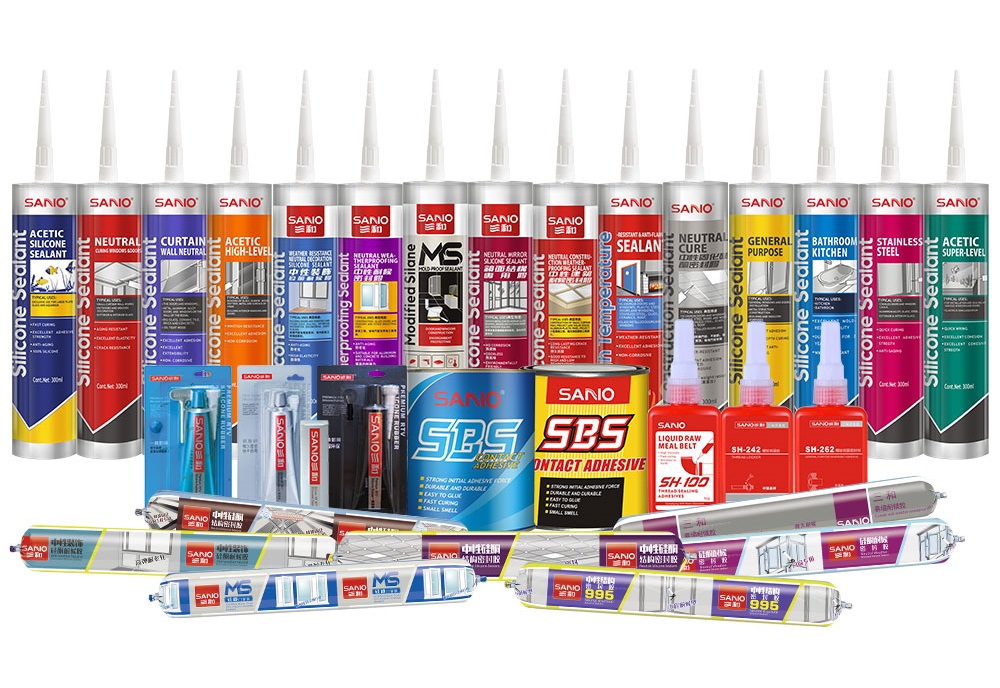
Yo, if you’re rocking a wall, fixing a ride, or doing a DIY drop at home, you wanna avoid that chemical chokehold and keep your crew breathing easy — that’s where low-VOC spray paint steps in. I’ve scoped products across job sites and artist sessions, and trusted gear like hardware lubricants sealants & adhesives shows how formulation matters for real work. This piece breaks the problem down, then hands you choices that actually work, no fluff.
The problem that pushes you toward low-VOC
Smell ain’t just annoying; it shuts down indoor jobs, gets neighbors riled, and can mean fines if you ain’t following local rules. Heavy solvents mess with health when you’re spraying long hours — headaches, nausea, and long-term exposure risk. Regulators tightened up paint VOC limits, so if your pick don’t meet those rules, your project stalls. You need a paint that delivers coverage without turning the space into a gas chamber.
Where low-VOC spray paint shines
Got projects? These are the moves where low-VOC is clutch: indoor murals and gallery work where odor ruins the space, furniture makeovers for apartments, automotive touch-ups in shared garages, metal fencing and HVAC covers where corrosion control matters, and craft builds in schools. It works for industrial touch-ups when you gotta avoid shutdowns from noxious fumes. Less stink = fewer complaints = more hours you can actually work.
Benefits that hit — practical wins
Less odor so you can work inside without vacating the block. Lower health risk so crews stay productive. Easier permitting and fewer environmental headaches. Often faster approvals for indoor shows and community projects. Many low-VOC formulas also dry clean and screen better for crisp lines — important for murals and signage. You get pro finishes without the chemical aftertaste.

How to cop the right can — what to check
Read the label like you read a crew list. Look for explicit VOC values and acrylic or waterborne resin systems. Check pigment opacity — some low-VOC cans need more coats. Match nozzle type to your lines: fat caps for fills, skinny caps for tags. Test adhesion on a sample patch; some substrates need a primer designed for low-VOC topcoats. Shelf life matters — old cans clot up. Consider drying time and recoat windows so you don’t scuff your work. Price is real, but cheap cans can mean more coats and wasted time.
Common mistakes crews trip on
Spraying cold surfaces or humid days kills finish and increases runs. Not shaking long enough leaves pigment inconsistent. Skipping surface prep makes even the best low-VOC paint flake off. Laying heavy coats to hide a weak color wastes product and creates drips. Using the wrong primer—oil-based under a waterborne topcoat—causes adhesion drama. Test before you commit to a whole piece.
Experience and supply reality — where the chemistry comes from
I’ve specified coatings for public art and contractor builds and seen supply chains shift toward cleaner chemistries around major manufacturing hubs like the Pearl River Delta; that’s where formulation scale and pigment sourcing get dialed in. Suppliers and lab partners, including a reliable fine chemicals manufacturer, handle the specialty resins and colorants that let low-VOC sprays perform like the old-school solvent stuff without the hazards. That direct link between lab-grade input and field-ready cans is the difference between a product that looks good on the shelf and one that survives real work.
Final word — pick smart, finish strong
Don’t chase hype. Choose low-VOC cans that match your substrate, test a patch, prep the surface, and watch your drying windows. For consistent supply and lab-backed resins that support cleaner, dependable finishes, I trust sources that tie R&D to production, the kind of dependable partner you find with SANVO. Work safe, paint clean, and let the results speak louder than the fumes.
