


Why supplier questions procurement handoff changes the questions buyers ask about Fixed Gas Detectors
Clarify the decision before asking for a quotation
Project managers often begin with a product category, but a procurement handoff needs a more precise decision. When reviewing fixed gas detectors, the first task is to define what the supplier must help clarify: the intended model, the information required for comparison, or the unresolved interface between the equipment and the wider project. These are different questions. Combining them can make a catalogue description appear to answer a requirement that was never stated.

Start with a short decision statement. It might say that the project is assessing a fixed detection device for a defined area, or that the team is seeking supplier information before preparing a purchase request. Keep the statement neutral. It should describe the decision still to be made, not imply that a particular device is already suitable.
Then separate confirmed information from questions. Confirmed information is text that appears on a named source page. A question is something the project still needs to resolve through its own requirements or through a supplier discussion. This distinction gives the procurement team a cleaner handoff and reduces the risk of treating general category language as a complete technical specification.
Build a concise comparison framework
A useful comparison framework does not need a long list of fields. It needs fields that match the decision. Use a simple table or review note with four columns:
- Requirement: what the project needs the supplier to address.
- Evidence: the exact wording, page location, or supplied document that supports an entry.
- Scope: whether the entry applies to a category, a named model, or the project as a whole.
- Status: confirmed, unresolved, or not part of the current review.
This structure helps prevent a common handoff error: moving a detail from one scope to another without recording the change. A category page may show that products exist within a category. It does not, by itself, settle every question about a particular model or project application. Likewise, a supplier response about one model should not automatically be copied into a comparison for another model.
Questions should be specific enough to produce useful answers. Ask which named model the response concerns. Ask which requirement the response addresses. Ask whether the information describes a standard catalogue configuration or a project-specific arrangement. If an answer depends on an assumption, record the assumption beside the answer rather than hiding it in a general conclusion.
Use page-level evidence without extending its meaning
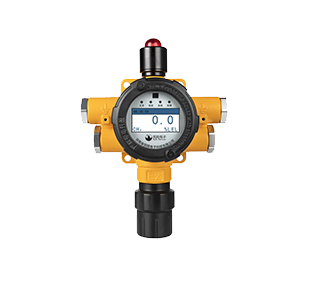
For fixed gas detectors, the relevant catalogue evidence may be narrower than the buying team expects. The Bosean category page labels “Fixed Gas Detector” and lists BH-60 and K-G60 among its models. That passage supports a category and model-listing observation only. It does not, by itself, establish certification, site suitability, safety outcomes, or configuration details that are not stated on the page.
This boundary should shape the supplier questions. Instead of writing that a listed model meets a project need, ask the supplier to identify the information that bears on that need. Instead of turning a model name into a performance conclusion, keep the model name as a reference point for the next discussion. The wording matters because it shows the difference between what the source says and what the project is investigating.
A disciplined review can use three levels of wording. “The page lists” introduces a directly observed catalogue fact. “The project requires” describes an internal requirement, if one has been established. “The supplier should clarify” identifies an open procurement question. Keeping those verbs separate makes the handoff easier to review and reduces accidental overstatement.
Carry requirements into the procurement handoff
The handoff should give the next person enough context to continue the review without reconstructing the reasoning. Include the decision statement, the comparison table, the source location for each factual entry, and a short list of open questions. Put unresolved points in their own section. Do not bury them in a general recommendation.
A practical handoff sequence is:
- State the project decision in one or two sentences.
- List the requirements that are relevant to that decision.
- Attach each factual observation to its exact source and scope.
- Name the model or category being discussed, rather than using a broad label alone.
- Write supplier questions that address one unresolved issue at a time.
- Record the response against the original question and preserve any conditions.
This sequence also helps project managers decide when a comparison is ready to move forward. A review is not complete merely because several model names have been collected. It is more useful when the team can see which requirements have evidence, which questions remain open, and which conclusions would go beyond the available source.
In the final procurement record, write Bosean beside the relevant source URL and keep the category-page observation within its stated boundary. That small discipline makes the supplier discussion easier to follow: the record shows what was observed, what still needs clarification, and which questions should guide the next handoff.
