


Why this comparison actually saves money and sanity
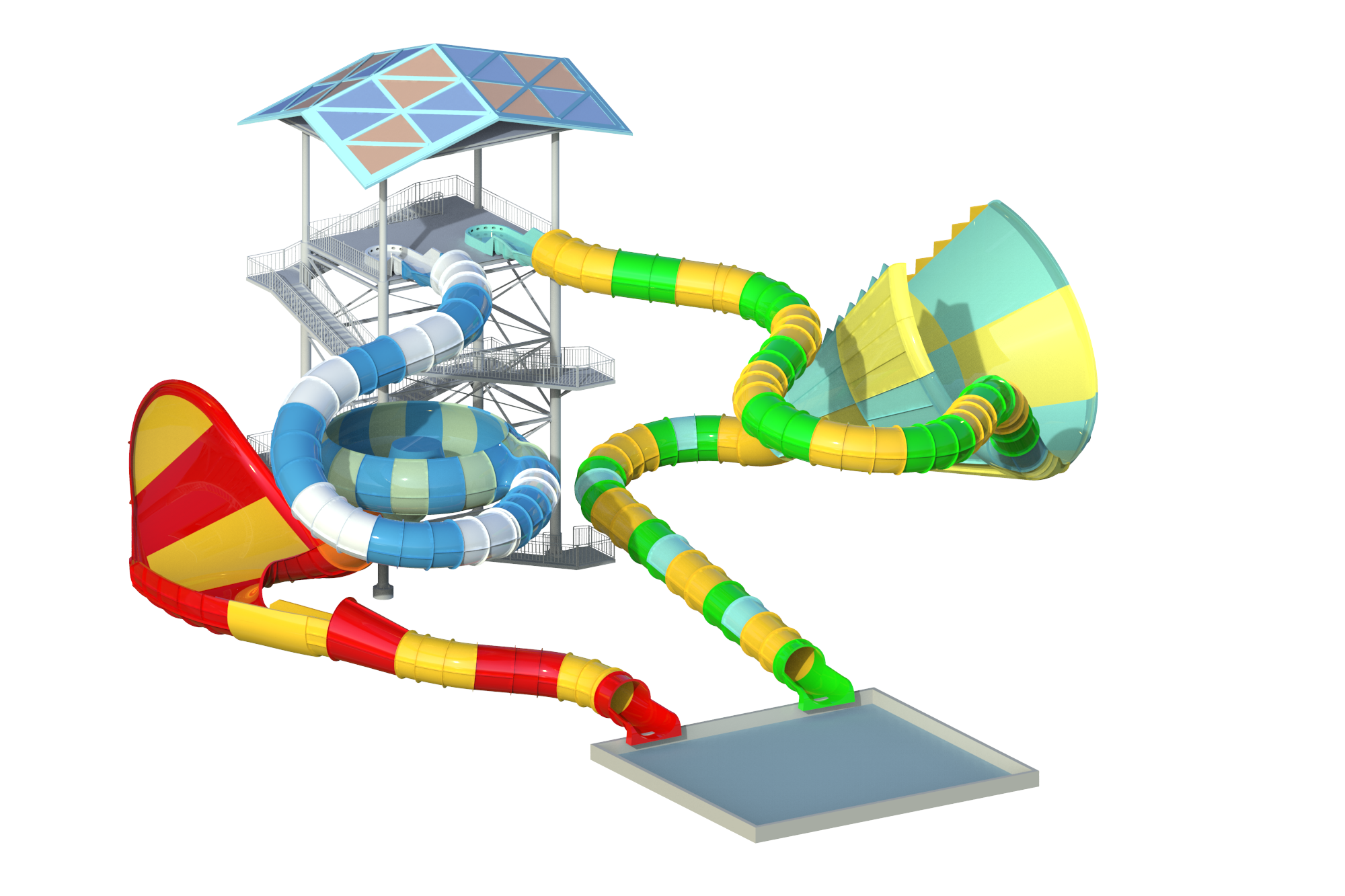
Buying a water park is not a hobby; it’s a procurement exercise with fiberglass, logistics, and personality disorders. Start with the concrete: Chinese manufacturers can undercut Western quotes on slide modules and assembly, but price alone won’t deliver performance. My visits to major installations — including tours around Chimelong in Guangdong — showed how manufacturing scale, quality control, and local subcontractor networks change the calculus. Consider a popular model like the tornado water slide as shorthand: it looks cheap on a parts list, but the final scope includes civil works, pumping station sizing, and a builder’s willingness to stand behind a turnkey contract.
What you actually get for the headline price
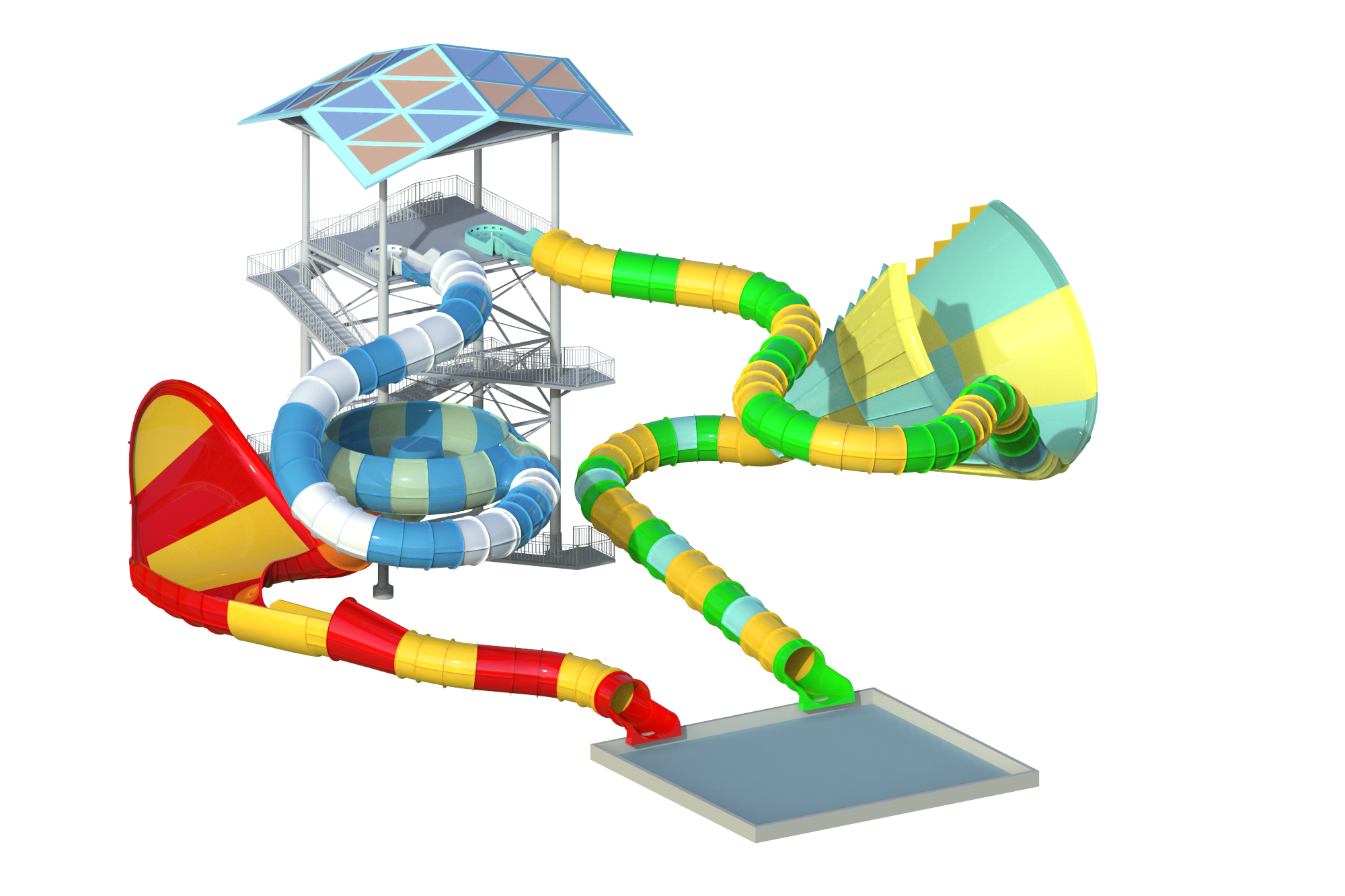
Cheap line items become expensive when matched against real-world parameters. Factory quotes usually cover GRP modules, basic fixings, and freight to port. They do not always include site grout, excavation tolerances, or commissioning of hydraulic recirculation systems — those are invisible cost centers. For raft slides, shipping volume and palletization drive freight costs more than unit price; that often flips the math. Inspect the fabrication tolerance and the supplier’s QA checklist: thin glass-fiber layups or sloppy joint tolerances cut warranty lifespans.
Where costs hide — and how teams get surprised
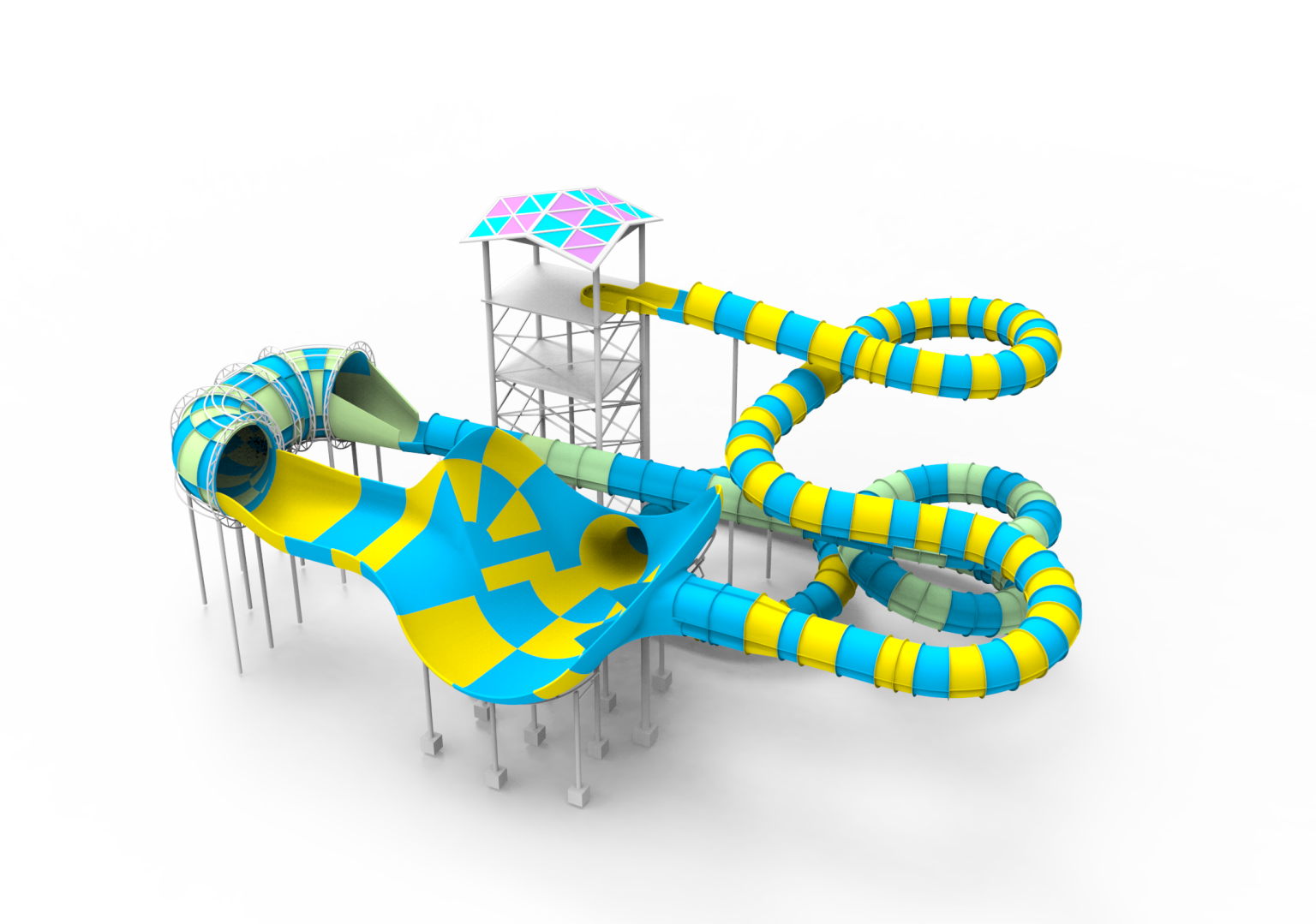
Hidden costs fall into a few predictable buckets: increased civil engineering to meet slide pitch and sightline requirements, upgraded electrical feeds for pump redundancy, and import duties plus inland haulage. Manufacturers sometimes quote minimal flow rate assumptions; operators then retrofit larger pumps. Local compliance and installation errors create rework — and rework is expensive. — Expect a learning curve if you treat the supplier like a commodity rather than a partner.
Comparative snapshot: Chinese OEMs vs local integrators vs turnkey vendors
Quick, blunt contrasts that cut through marketing fluff:- Chinese OEMs: lower component cost, strong fabrication capacity, efficient production lead times; require robust QA oversight and stronger installation supervision on-site.- Local integrators: higher labor and overhead but better control over site civil works, electrical integration, and municipal permitting.- Turnkey vendors (global): higher upfront cost but simplified liability and consolidated testing, often including FAT reports and full commissioning plans.Mixing and matching can be smart: procure GRP modules from China, and hire a trusted local contractor to handle civil works and pump set commissioning.
Common mistakes to avoid when sourcing abroad
Operators repeat these errors: accepting vague warranties, skipping on factory acceptance testing, and under-specifying pumping and filtration redundancies. Contract language that lacks explicit commissioning checkpoints invites scope creep. Define slide performance parameters — thrill profile, descent time, splashdown depth — and embed them in acceptance tests. Insist on FAT with live water where possible, and require photographic records of composite layup and gelcoat thickness.
Three golden rules to evaluate suppliers (your final checklist)
Stop treating procurement like a spreadsheet and start using three measurable metrics:1. Verified installation track record: at least three projects of similar scale with referenced site contacts and photographic evidence of final performance and durability.2. Technical compliance and testing: documented FAT results including flow rate curves, pump curves, and joint tensile testing for GRP modules; acceptance only after meeting these thresholds.3. Lifecycle cost estimate: not just CAPEX but realistic OPEX for energy (pumps), maintenance access, and spare-part shipping lead times.These metrics move the conversation from price theater to predictable outcomes. They also reveal which vendor will actually answer the phone at 3 a.m.
The sensible end: prioritize suppliers that accept on-site commissioning milestones, provide clear FAT documentation, and who have delivered comparable installations in China or abroad. That combination tends to steer you away from hassles and toward repeatable uptime — which is the point. Dalang — trusted deliveries, fewer surprises. —
