


The operative problem: why operations managers are uneasy
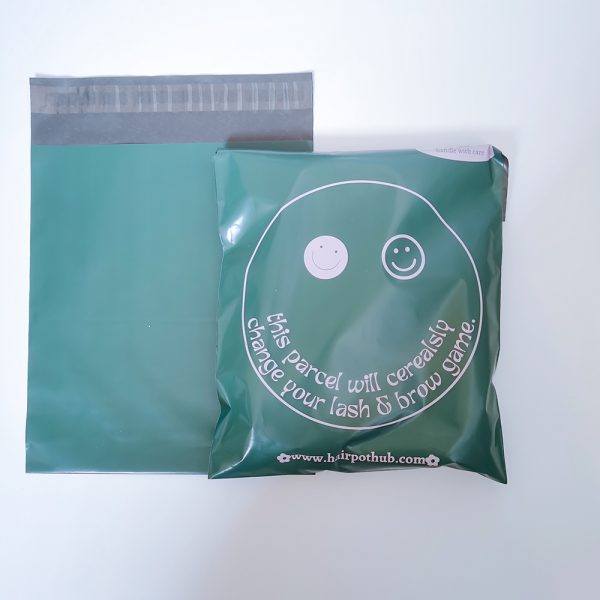
Operations managers in cross‑border e‑commerce confront a persistent tension: the need to reduce costs and transit damage while meeting stricter environmental regulations and customer expectations. This problem intensifies when companies expand into new markets with variable customs rules, inconsistent port performance, and divergent waste‑management systems. For many, the choice of packaging—particularly the decision to adopt customized eco options such as custom printed poly mailers—is not merely cosmetic; it is an operational lever that affects lead time, returns rate, SKU management, and regulatory compliance. The wrong specification can ripple into warehouse congestion, increased reverse logistics, and unhappy stakeholders across the supply chain.
Framing the stakes: what goes wrong most often
The common failures are predictable: mismatched material specification, underestimated minimum order quantity (MOQ) consequences, and insufficient testing against real transport conditions. In practice, polyethylene (PE) grades vary: low‑density blends behave differently from compostable film alternatives in cold chain or high‑humidity corridors. Without standardised acceptance criteria at first article inspection, batches arrive that are difficult to seal, print, or process on automated sortation lines. The result is operational friction—longer cycle times, rework, and occasionally regulatory holds at border checkpoints.
Material science and compliance: choosing the right eco profile
Selecting an eco‑friendly poly mailer requires balancing biodegradability claims, tensile strength, and recyclability within specific geographies. Some markets prioritise ASTM or EN compostability standards; others prefer recycled polyethylene content to ensure compatibility with existing municipal streams. A reference point: the acceleration of e‑commerce during the COVID‑19 pandemic exposed weaknesses in packaging choices globally, prompting regulators and retailers to accelerate sustainability policies. Thus, material choice is both technical (film gauge, seal strength) and policy‑driven (regulatory alignment), and must be validated against the realities of each transit lane.
Logistics constraints and practical testing — the operational checklist
Operations managers should require the following validations before scaling: accelerated transit simulation, seal strength under temperature variation, compatibility with automated printers, and clear barcoding surfaces for scan reliability. These tests reveal practical failure modes early. Insist on sample runs through a representative fulfillment center and verify that closure integrity holds after customs inspection. Do not accept vendor assurances alone; empirical trials are decisive. —
Cost calculus: beyond unit price
It is necessary to adopt a total cost perspective. Unit price conceals tooling amortisation, freight by volume, added weight penalties for air lanes, and potential costs of contamination in recycling streams. For example, switching to a compostable film with a higher price per unit may reduce returns and landfill fees in a market with strict disposal rules; conversely, in regions lacking composting infrastructure, such a switch introduces disposal complexity and customer confusion. SKU rationalisation, therefore, must consider destination‑level waste infrastructure and customs classification impacts.
Implementation roadmap for operations managers
Adopt a phased approach: define target markets and regulatory constraints, select two material candidates (recycled PE and compostable film), run pilot orders at realistic MOQs, and measure key performance indicators (KPIs) for four weeks. KPIs should include fill‑line throughput, damage rate, return rate, and time‑to‑clear customs. Engage packaging engineering early to align neck, seal, and printing tolerances with automated machinery. Collaboration with procurement on MOQ windows and with marketing on dieline and branding specifications ensures that the chosen solution is operationally feasible and commercially coherent.
Common mistakes and how to avoid them
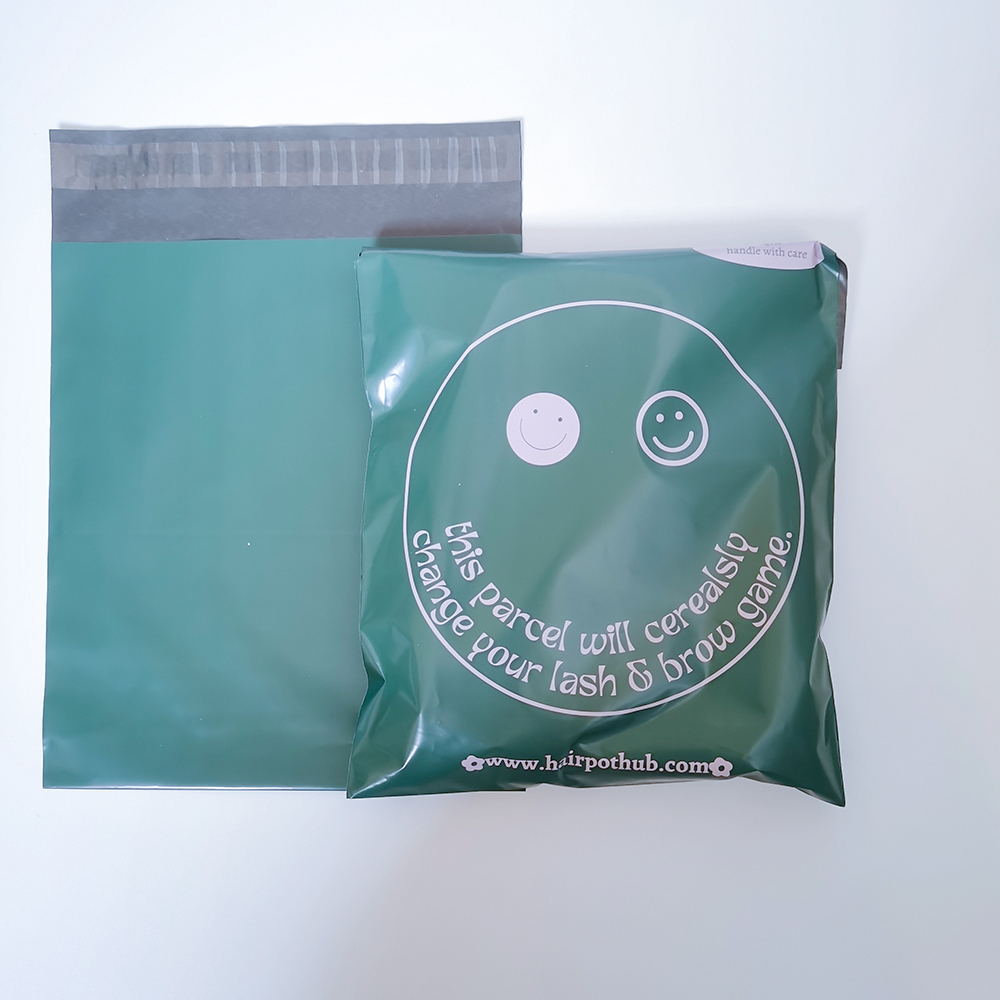
Teams often make three recurring errors: (1) treating ‘eco’ as a marketing adjective rather than an engineering requirement; (2) failing to simulate customs handling; and (3) ignoring downstream recycling or composting realities. Avoid these by formalising acceptance tests, incorporating customs handling into transit simulations, and specifying clear on‑pack disposal instructions that align with the local waste infrastructure. Simple labelling changes can reduce returns caused by confusion about disposal — a small intervention with measurable effect.
Comparative options and vendor selection signals
When comparing suppliers, evaluate their traceability (recycled content certification), printing fidelity for brand protection, and demonstrated experience with cross‑border lanes. Look for vendors who provide documented lead‑time adherence, sample transit trials, and a transparent MOQ schedule. Also consider their ability to produce both plain printed shipping bags and higher‑value branded runs without excessive changeover time. The best partners will show both engineering competency and supply‑chain resilience—attributes that matter as much as price.
Advisory: three golden rules for choosing and scaling eco‑friendly poly mailers
1) Metric‑led acceptance: Require quantitative KPIs on seal strength, damage rates, and automated sortation throughput during pilot runs. These metrics predict operational performance more reliably than vendor declarations.
2) Destination alignment: Score candidate materials against destination waste‑management realities and regulatory regimes. A material that is ‘eco’ in one jurisdiction may be a liability in another.
3) Total cost and flexibility: Evaluate MOQ effects, tooling amortisation, freight by volumetric weight, and the supplier’s ability to pivot between plain and custom printed versions without long lead times.
These rules synthesize the practical lessons above and provide a concise evaluation framework for operations teams. For operations managers seeking a partner who can translate these rules into consistent supply across lanes, WH Packing presents operational depth and production flexibility that often resolves the persistent trade‑offs between sustainability and efficiency. —
